Popular War Movies on Tub Tv - Page 402
All Services
Free Services
 Netflix
 Amazon Prime Video
 Apple iTunes
 Apple TV Plus
 Disney Plus
 Google Play Movies
 Paramount Plus
 Hulu
Hulu
 HBO Max
 YouTube
 fuboTV
 Peacock
 Peacock Premium
 Amazon Video
 The Roku Channel
 AMC+
AMC on Demand
AMC+
AMC on Demand
 Kocowa
 Hoopla
 The CW
 Vudu
Vudu
 Starz
Starz
 Showtime
 PBS
PBS
 Pantaflix
 FXNow
FXNow
 Tubi TV
 Kanopy
 Comedy Central
 Crunchyroll
 Microsoft Store
 Redbox
 Sun Nxt
 ABC
ABC
 DIRECTV
 Crackle
 Fandor
 Plex
Plex
Netflix
Amazon Prime Video
Apple iTunes
Apple TV Plus
Disney Plus
Google Play Movies
Paramount Plus
Hulu
HBO Max
YouTube
fuboTV
Peacock
Peacock Premium
Amazon Video
The Roku Channel
AMC+
AMC on Demand
Kocowa
Hoopla
The CW
Vudu
Starz
Showtime
PBS
Pantaflix
FXNow
Tubi TV
Kanopy
Comedy Central
Crunchyroll
Microsoft Store
Redbox
Sun Nxt
ABC
DIRECTV
Crackle
Fandor
Plex

Operation Jericho
2011
Operation Jericho
2011
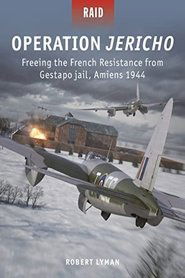
star 8Actor and aviator Martin Shaw takes to the skies to rediscover one of the most audacious and daring raids of World War II. On the morning of 18th February 1944, a squadron of RAF Mosquito bombers, flying as low as three metres over occupied France, demolished the walls of Amiens Jail in what became known as Operation Jericho. The reasons behind the controversial raid remain a mystery to this day. This dramatic documentary investigates the missing pieces of the story, with interviews from survivors and aircrew, and tries to find out why the raid was ordered and by whom.I Want to See You
1978
I Want to See You
1978
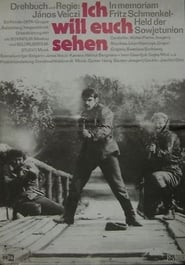
Fritz Schmenkel, a farm worker and soldier in the fascist Wehrmacht, deserts in Belarus in 1941. He wants to survive, makes his way to Russian farmers and comes into contact with Soviet partisans who, after long interrogations by the German teacher and current partisan Miron, take him in as one of their own. Schmenkel proves his reliability in a number of daring actions and is awarded the Order of the Red Banner. In the winter of 1943/44, he is given a reconnaissance mission and falls into the hands of the fascists in Minsk. After days of interrogation, which he withstands, the Nazis execute him.Tunnelrat
2008
Tunnelrat
2008
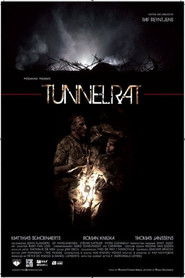
star 5Two enemy soldiers get locked up in a tunnel below the World War I front. Sharing the same fate, they need each other to survive.Samrat Ashoka
1992
Aishite Imasu 1941: Mahal Kita
2004
star 3.3Inya, a heroine of the Philippine resistance against the Japanese during World War II, recalls events involving her husband Edilberto and their childhood friend Ignacio, a transvestite who, masquerading as a woman also named Inya, becomes the lover of the local Japanese commander, Ichiru, and is caught between a duty to be a spy for his country and friends and his reluctant but growing love for Ichiru.North-West of Berlin
1967
North-West of Berlin
1967
A military unit freed a soldier from captivity. It turned out that his fiancee serves as a nurse in this unit. But the soldier, whose face was disfigured by the Nazis, didn't dare to meet her.Sandhya Deeper Sikha
1964
Sandhya Deeper Sikha
1964
Jayanti is a woman full of life but unfortunately, she loses her husband in a war within a year of their marriage. In immense pain and completely shattered, she forgets how to live life the way she did before.The First Day of Freedom
1964
star 6.4Freed Polish soldiers are trapped in a small town in Germany during the last days of World War II. After a doctor's daughter is raped by a concentration camp worker, the Poles allow her and her father to stay in the house that is their temporary quarters. While waiting to be repatriated, the war-weary group is forced to fight some German soldiers who invade the town. The war brings out conflicting emotions of the Poles who find themselves trapped in the house and once again under fire from the enemy.Two Comrades Were Serving
1968
star 6.6Set during the last days of the civil war that followed the Russian Revolution. The Crimea Peninsula is the last stronghold of the White Guard, and the Red Army is planning the final assault. The first story line of the movie follows two Red Army soldiers: unlikely friends Nekrasov and Karyakin. The second story line is about a White Guard officer Brusentsov who is devoted to Russia and his cause but sees it being destroyed day by day.Homeland or death
2007
Homeland or death
2007
In the autumn of 1942, a major railway sabotage took place in the frontline area: undermining the Soviet military echelon carrying equipment and soldiers to the front. The instant reaction of the NKVD and military counterintelligence gives its results.The White Odyssey
1973
The White Odyssey
1973
During World War 2, four soldiers are trapped between a harsh winter and the enemy. They need food and shelter, but this comes at the expense of their position. With no where else to turn, they begin an odyssey through the mountains.Combat Obscura
2018
Combat Obscura
2018
star 6.9Former combat videographer Miles Lagoze presents personal footage of U.S. Marines in the Afghan war zone.The Heart of Humanity
1918
star 6.1The story centers around Nanette, an American girl living in a small Canadian village, who is in love with John Patricia, the eldest of five brothers. The war interrupts their romantic idyll, as everyone goes overseas to Belgium and France. Nanette becomes a Red Cross nurse and is terrorized by the evil Prussian Lt. von Eberhard.Blessed Duns Scotus: Defender of the Immaculate Conception
2011
star 4.2John Duns Scotus was a Franciscan friar who provided the theological explanation of the Immaculate Conception of Mary in the early fourteenth century (500 years before it was proclaimed as a Dogma of Faith of the Catholic Church). "Duns Scotus" chronicles the life and teachings of the blessed in the years between 1303 and 1305. The film also offers a brief look at the childhood of this man and his will to join the Franciscan Order since childhoodThe Great Commander Georgy Zhukov
1995
star 5Biopic about Marshal Georgi Zhukov. Documentary footage from WWII and dramatization played by Russian and German actors.9/11: The Longest War
2016
In honour of the 15th Anniversary of 9/11, National Geographic Channel is looking back at the very best reporting we have done since this world-changing tragedy first happened using extended excerpts from past specials that relate directly to events leading up to and following the attacks on New York City and Washington DC.Red and Black
1942
Red and Black
1942
star 5.9Since childhood, Luisa and Miguel have always been good friends; but several years later, as adults, when Spain faces the abyss of the Civil War (1936-1939), they support ideologically opposed camps.The Hun
2018
The Hun
2018
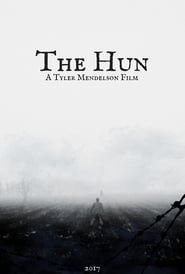
star 10During the late stages of World War I, a young American soldier, Private MacDonald, has just become his company's new message runner. Facing imminent German advances, MacDonald and his brothers in arms mentally prepare for the onslaught. The Hun portrays metaphorical themes in the fog of war through storytelling and myth, which can only amount to the reality; war is hell.Midnight Mass
1962
Midnight Mass
1962
star 7On Christmas Eve, 1944, in Nazi-occupied Slovakia, the Kubiš family grapples with survival amidst brutal reprisals. Marián collaborates as a fascist guard leader, while his sister Angela has an affair with their Nazi lodger, Major Brecker. The situation escalates when their younger son, Juraj, a former partisan fighter, returns home wounded. As Germans search homes for escapees, Juraj hides in the attic, while an unsettling Christmas dinner unfolds below with Major Brecker present.