Top Rated Documentary Movies - Page 108
All Services
Free Services
 Netflix
 Amazon Prime Video
 Apple iTunes
 Apple TV Plus
 Disney Plus
 Google Play Movies
 Paramount Plus
 Hulu
Hulu
 HBO Max
 YouTube
 fuboTV
 Peacock
 Peacock Premium
 Amazon Video
 The Roku Channel
 AMC+
AMC on Demand
AMC+
AMC on Demand
 Kocowa
 Hoopla
 The CW
 Vudu
Vudu
 Starz
Starz
 Showtime
 PBS
PBS
 Pantaflix
 FXNow
FXNow
 Tubi TV
 Kanopy
 Comedy Central
 Crunchyroll
 Microsoft Store
 Redbox
 Sun Nxt
 ABC
ABC
 DIRECTV
 Crackle
 Fandor
 Plex
Plex
Netflix
Amazon Prime Video
Apple iTunes
Apple TV Plus
Disney Plus
Google Play Movies
Paramount Plus
Hulu
HBO Max
YouTube
fuboTV
Peacock
Peacock Premium
Amazon Video
The Roku Channel
AMC+
AMC on Demand
Kocowa
Hoopla
The CW
Vudu
Starz
Showtime
PBS
Pantaflix
FXNow
Tubi TV
Kanopy
Comedy Central
Crunchyroll
Microsoft Store
Redbox
Sun Nxt
ABC
DIRECTV
Crackle
Fandor
Plex

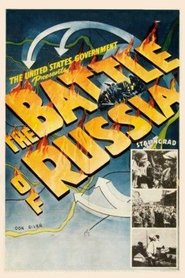
Why We Fight: The Battle of Russia
1943
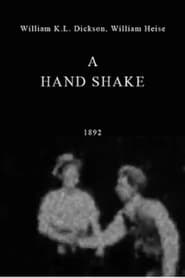
star 6.8The fifth film of Frank Capra's Why We Fight propaganda film series, revealing the nature and process of the fight between the Soviet Union and Germany in the Second World War.A Hand Shake
1892
A Hand Shake
1892
star 3.5William K.L. Dickson and William Heise shake hands in this early experimental film.Orozco the Embalmer
2001
Orozco the Embalmer
2001
star 6.2In 1996, Tsurisaki Kiyotaka, one of Japan’s most infamous death photographers, ventured into the center of Hell itself - the Rue Morgue neighborhood of Bogota, Colombia. With death and murder rampant, the corpses eventually find their way to embalmer Froilan Orozco, who has been tending the dead for over 50 years. We watch as bodies are brought in to his shop and he prepares them for their funerals.Wings of Hope
1999
Wings of Hope
1999
star 7Werner Herzog returns to the South American jungle with Juliane Koepcke, the German woman who was the sole survivor of a plane crash there in 1971. They find the remains of the plane and recreate her journey out of the jungle.Stanley Kubrick's Boxes
2008
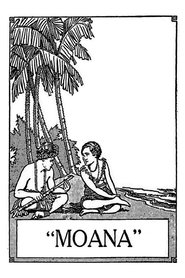
star 7A few years after his death, the widow of Stanley Kubrick (1928-1999) asks Jon Ronson to look through the contents of about 1,000 boxes of meticulously sorted materials Kubrick left. Ronson finds that most contain materials reflecting work Kubrick did after the release of "Barry Lyndon" in 1975, when Kubrick's film output slowed down. Ronson finds audition tapes for "Full Metal Jacket," photographs to find the right hat for "Clockwork Orange" or the right doorway for "Eyes Wide Shut" -- thousands of details that went into Kubrick's meticulous approach. Ronson believes that the boxes show "the rhythm of genius." Interviews with family, staff, and friends are included.Moana
1926
Moana
1926
star 6.6Robert J. Flaherty’s follow-up to Nanook of the North shifts from the Arctic to the South Seas, portraying Samoan village life with a painterly eye. Blending ethnographic detail with a romanticized “Gauguin idyll,” the film celebrates daily rituals, communal traditions, and the passage into adulthood, suffused with what Flaherty called “pride of beauty, pride of strength.”Natascha: The Girl in the Cellar
2010
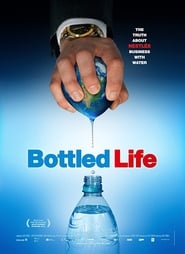
star 5.8This extraordinary interview reveals the ordeal of Natascha Kampusch, imprisoned in a cellar for eight years by Wolfgang Priklopil.Bottled Life: Nestle's Business with Water
2012
star 6.5Do you know how to turn ordinary water into a billion-dollar business? In Switzerland there's a company which has developed the art to perfection - Nestlé. This company dominates the global business in bottled water. Swiss journalist Res Gehringer has investigated this money-making phenomena. Nestlé refused to cooperate, on the pretext that it was "the wrong film at the wrong time". So Gehringer went on a journey of exploration, researching the story in the USA, Nigeria and Pakistan. His journey into the world of bottled water reveals the schemes and strategies of the most powerful food and beverage company on our planet.The Gleaners and I: Two Years Later
2002
star 7.1Agnès Varda’s follow-up to her acclaimed documentary THE GLEANERS AND I takes us deeper into the world of those who find purpose and beauty in the refuse of society, revisiting many of the original film’s subjects.VIPs: Histórias Reais de um Mentiroso
2010
star 7.2The infamous anti-hero Marcelo Nascimento da Rocha is one of the greatest Brazilian con artists ever that has lured several persons with his schemes. The director and writer Mariana Caltabiano proposes to write his biography and to make a documentary about his life, and she is also lured by the swindler that discloses his rise and fall.The Curse of the Dragon
1993
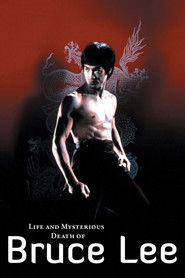
star 7.2A 1993 documentary film about Bruce Lee. The film includes interviews from some of his fellow students and opponents who worked alongside him in his movies.Exporting Raymond
2011
Exporting Raymond
2011
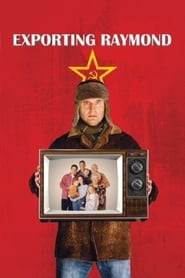
star 6.8A documentary on Phil Rosenthal's experiences during the making of "Voroniny," the Russian-language version of "Everybody Loves Raymond".I, a Negro
1959
I, a Negro
1959
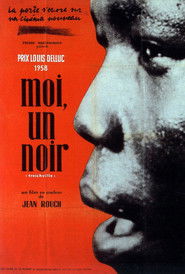
star 7.3Winner of the prestigious Prix Louis Delluc in 1958, "Moi, un noir" marked Jean Rouch's break with traditional ethnography, and his embrace of the collaborative and improvisatory strategies he called "shared ethnography" and "ethnofiction". The film depicts an ordinary week in the lives of men and women from Niger who have migrated to Abidjan, Côte d'Ivoire for work.Elvis - Aloha from Hawaii
1973
star 7.8A 1973 concert by Elvis Presley that was broadcast live via satellite on January 14, 1973. The concert took place at the Honolulu International Center in Honolulu and aired in over 40 countries across Asia and Europe. Viewing figures have been estimated at over 1 billion viewers world wide, and the show was the most expensive entertainment special at the time, costing $2.5 million.Paragraph 175
2000
Paragraph 175
2000
star 6.5During the Nazi regime, there was widespread persecution of homosexual men, which started in 1871 with the Paragraph 175 of the German Penal Code. Thousands were murdered in concentration camps. This powerful and disturbing documentary, narrated by Rupert Everett, presents for the first time the largely untold testimonies of some of those who survived.The Private Life of Plants
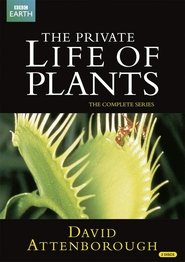
1995
star 8.4David Attenborough takes us on a guided tour through the secret world of plants, to see things no unaided eye could witness. Each episode in this six-part series focuses on one of the critical stages through which every plant must pass if it is to survive:- travelling, growing, and flowering; struggling with one another; creating alliances with other organisms both plant and animal; and evolving complex ways of surviving in the earth's most ferociously hostile environments.General Idi Amin Dada
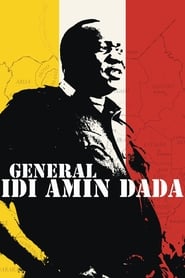
1974
star 7Filmmaker Barbet Schroeder shows the Ugandan dictator meeting his Cabinet, reviewing his troops, explaining his ideology.Czech Dream
2004
Czech Dream
2004
star 7.2Two students from the Czech Film Academy commission a leading advertising agency to organize a huge campaign for the opening of a new supermarket named Czech Dream. The supermarket however does not exist and is not meant to. The advertising campaign includes radio and television ads, posters, flyers with photos of fake Czech Dream products, a promotional song, an internet site, and ads in newspapers and magazines. Will people believe in it and show up for the grand opening?Genesis
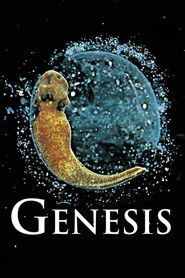
2004
Genesis
2004
star 6.2An African narrator tells the story of earth history, the birth of the universe and evolution of life. Beautiful imagery makes this movie documentary complete.Devil's Playground
2002
Devil's Playground
2002
star 6.6The Devil's Playground is a fascinating and moving documentary about a little-known aspect of Amish life. Amish are not permitted to join the church until their late teens, and have to do so of their own volition. The film explores Rumspringa, wherein young Amish are given the opportunity to explore the "English" way of life.