Top Rated History Movies on Pantaflix - Page 396
All Services
Free Services
 Netflix
 Amazon Prime Video
 Apple iTunes
 Apple TV Plus
 Disney Plus
 Google Play Movies
 Paramount Plus
 Hulu
Hulu
 HBO Max
 YouTube
 fuboTV
 Peacock
 Peacock Premium
 Amazon Video
 The Roku Channel
 AMC+
AMC on Demand
AMC+
AMC on Demand
 Kocowa
 Hoopla
 The CW
 Vudu
Vudu
 Starz
Starz
 Showtime
 PBS
PBS
 Pantaflix
 FXNow
FXNow
 Tubi TV
 Kanopy
 Comedy Central
 Crunchyroll
 Microsoft Store
 Redbox
 Sun Nxt
 ABC
ABC
 DIRECTV
 Crackle
 Fandor
 Plex
Plex
Netflix
Amazon Prime Video
Apple iTunes
Apple TV Plus
Disney Plus
Google Play Movies
Paramount Plus
Hulu
HBO Max
YouTube
fuboTV
Peacock
Peacock Premium
Amazon Video
The Roku Channel
AMC+
AMC on Demand
Kocowa
Hoopla
The CW
Vudu
Starz
Showtime
PBS
Pantaflix
FXNow
Tubi TV
Kanopy
Comedy Central
Crunchyroll
Microsoft Store
Redbox
Sun Nxt
ABC
DIRECTV
Crackle
Fandor
Plex

Dr. Martin Luther King, Jr.: A Historical Perspective
1994
star 7Documentary film focuses on the Civil Rights leader's many groundbreaking accomplishments. Footage covers Dr. King's war on poverty and his staunch opposition to the Vietnam War. Also included is his stirring "I Have a Dream" speech.Pompeii: Life and Death in a Roman Town
2010
star 5.5The volcanic eruption that ravaged Pompeii in year 79 is one of the most famous in history. It is known how its victims died, but how did they live? A new insight into the lives of the people who lived in the shadow of Mount Vesuvius before its cataclysmic eruption.The Glass Rabbit
2005
The Glass Rabbit
2005
star 6.5The period of late World War II, Toshiko was living in downtown Tokyo with her family. Japan was more towards losing the War at the time and people were suffering with lack of materials. On March 10th 1945, she lost her mother and two younger sisters by the bombing in Tokyo. She picked up "Glass Rabbit", which shape was changed by the fire, out of the wreck one day and she experienced the terror of the War. Moreover when she had to evacuate to the suburbs, her father was killed by US army on the way at the station. Now that she became all alone, she felt so lonely and despaired that she almost found no meaning to be alive. But despite of her loneliness and sorrow, she aroused herself, thinking about all her family who were gone. "I must survive for my family.... Otherwise, who will be visiting their grave." This is the story of one girl, which should not be forgotten.Secret Service
1931
Secret Service
1931
star 6In 1864 a Secret Service agent for the Union army goes undercover in Richmond and pretends to be a Confederate captain.Dog's Heads
1955
Dog's Heads
1955
star 5The history of the rebellion of the brave Chody, led by Jan Sladký Kozina and Matěj Přibek, against the violent tyranny of the foreign nobleman Maximilian Lamminger of Albenreuth. Based on the novel of the same name by Alois Jirásek.Lost Children
1957
Lost Children
1957
star 7In the middle of the eighteenth century, at the time of the Prusso-Austrian War, a cuirassier, a hussar and an infantryman meet by chance and hide together in a secluded place. The war has left different marks on each of them, but they all long for normal human happiness. Although they initially have different attitudes towards military service, they are changed by their stay in seclusion and the atmosphere of life in a peasant cottage and refuse to return to the Austrian army. But all three Theresian "misfits" take up arms again, which they no longer want to touch, when the solitude is overrun by the Prussians. They manage to cover the escape of the family and their child, but pay with their lives.Sampson-Schley Controversy
1901
star 3.5This subject is in three scenes, showing beautiful dissolving effects. Scene 3. The Man Behind that Teacup shows Admiral Sampson the centre of attraction of a group of old maids at an afternoon tea party.The Oath and the Man
1910
The Oath and the Man
1910
star 4.5A rich nobleman steals a perfume merchant's wife just prior to the French Revolution, in which the perfumer is a leader of the peasants. His priest made him swear an oath to leave vengeance to God, however.Princess Tarakanova
1910
Princess Tarakanova
1910
star 4Russia, 1775. Count Orlov writes a letter to Empress Catherine II the Great in which he denounces Princess Tarakanova as a traitor and pretender to the throne.The Printing
1990
The Printing
1990
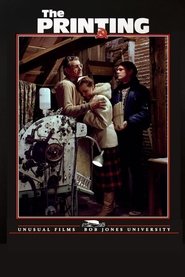
star 5The Printing is a family film produced by Unusual Films that tells the story of faithful Christians that continue printing and smuggling Bibles even when they know they are being hunted down by the Soviet Russian government.On to Washington
1913
On to Washington
1913
star 5.5This particular film uses real film footage to show a march by women demanding the right to vote. This coincided with the inauguration of Woodrow Wilson and some of the marchers walked all the way from Newark, New Jersey to Washington, DC.Topaz
1945
Topaz
1945
star 6This documentary was secretly and 'illegally' shot inside the prison camps, established during World War II by American authorities to detain US citizens of Japanese descent who were considered a potential threat to national security.Kurama Tengu
1928
Kurama Tengu
1928
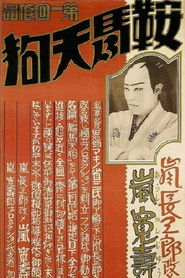
star 7Kurama Tengu is a 1928 black and white Japanese silent film with benshi accompaniment directed by Teppei Yamaguchi. It is a film which is a part of the series depicting the bold and daring hero Kurama Tengu. The popular series comprises numerous films based on the original novel written by Jiro Osaragi, but those featuring Kanjuro Arashi are considered to be the most valuable. Of note is the last scene in which the main character takes on numerous foes with a sword in each hand.The Captain's Daughter
1947
star 6.5A peasant leader under the enlightened despotism of Empress Catherine the Great, and a love story.The Flag: A Story Inspired by the Tradition of Betsy Ross
1927
star 3George Washington, commander of revolutionary American forces, ends a squabble among the colonies as to under which flag the Americans will fight the British by recommending a new flag for all the colonies. He asks Betsy Ross to design and create the first flag. Meanwhile, British officer Brandon has crossed enemy lines in order to visit secretly his wife, who boards in the same house as Betsy Ross. Ross helps Mrs. Brandon hide her husband, but then Washington himself discovers the hidden enemy and must decide whether love or the rules of war shall prevail.The Eagle Has Landed: The Flight of Apollo 11
1969
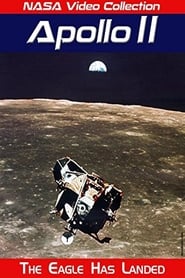
star 9A 1969 documentary on the Apollo 11 mission to the Moon made by NASA, telling the story of the historic first landing of men on the Moon in July, 1969. It depicts the principal highlight events of the mission from launching through post-recovery activities of Astronauts Neil Armstrong, Edwin "Buzz" Aldrin, and Michael Collins. Through television, motion picture and still photography, the film provides an "eye-witness" perspective of the Apollo 11 mission.Oscar. The color of destiny
2008
star 1"Óscar. The Color of Destiny" is a revealing portrayal of a forgotten icon of French Surrealism: Spanish painter Óscar Domínguez, contemporary of Picasso. The film rediscovers the life of a talented artist who was ignored after he committed suicide, fifty years ago, victim of a serious illness which had disfigured his body: the Elephant Man's disease. The film is stirring and touching and compels admiration for the bohemian painter whose fate was self-destruction, after a wild crazy life. Lucas Fernández turns the life of a debauchee, who regarded himself a monster because of his disfiguring disease, into a universal story where art is the product of love and loneliness, of sex and violence before, during and after the Nazi invasion of Paris.Blood of May
2008
Blood of May
2008
star 6Revolution in Spain, around the events of 2 May 1808, when the people of Madrid rise up in rebellion against French occupation.Gangsters
1992
Gangsters
1992
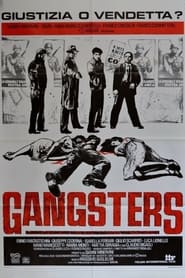
star 5Genoa, 1945. The war is over but not for 4 partisans who still try to capture the remaining fascists. They are not satisfied with the concept of justice that the new born Italian Republic tries to instigate.La Dernière Campagne
2013