New History Movies - Page 3
All Services
Free Services
 Netflix
 Amazon Prime Video
 Apple iTunes
 Apple TV Plus
 Disney Plus
 Google Play Movies
 Paramount Plus
 Hulu
Hulu
 HBO Max
 YouTube
 fuboTV
 Peacock
 Peacock Premium
 Amazon Video
 The Roku Channel
 AMC+
AMC on Demand
AMC+
AMC on Demand
 Kocowa
 Hoopla
 The CW
 Vudu
Vudu
 Starz
Starz
 Showtime
 PBS
PBS
 Pantaflix
 FXNow
FXNow
 Tubi TV
 Kanopy
 Comedy Central
 Crunchyroll
 Microsoft Store
 Redbox
 Sun Nxt
 ABC
ABC
 DIRECTV
 Crackle
 Fandor
 Plex
Plex
Netflix
Amazon Prime Video
Apple iTunes
Apple TV Plus
Disney Plus
Google Play Movies
Paramount Plus
Hulu
HBO Max
YouTube
fuboTV
Peacock
Peacock Premium
Amazon Video
The Roku Channel
AMC+
AMC on Demand
Kocowa
Hoopla
The CW
Vudu
Starz
Showtime
PBS
Pantaflix
FXNow
Tubi TV
Kanopy
Comedy Central
Crunchyroll
Microsoft Store
Redbox
Sun Nxt
ABC
DIRECTV
Crackle
Fandor
Plex

Dans tes yeux
2026
Dans tes yeux
2026
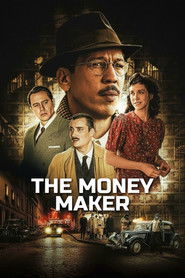
The Money Maker
2026
The Money Maker
2026
star 6.9In post-war France, Jan Bojarski, a young Polish refugee, became the greatest counterfeiter of all time, the "Cézanne of counterfeit money". For more than fifteen years, this man led a double life, unbeknownst to his family, making counterfeits in a garden shed that were "truer" than the bills issued by the Banque de France... All these years, this peerless counterfeiter managed to avoid being caught by the police, and became the bête noire of Commissaire Mattei in a hunt that, for these two obsessives, turned into a duel.Furcy
2026
Furcy
2026
star 5.9In 1817, on Bourbon Island (Reunion Island), a compelling narrative unfolds. Following the passing of his mother, the enslaved Furcy stumbles upon a letter of emancipation amidst her belongings – an unexpected key to his indirect liberation. Aided by the support of abolitionist prosecutor Gilbert Boucher, Furcy courageously embarks on a legal crusade against his master, Joseph Lory, in a bid to substantiate his claim to freedom. This legal saga, marked by numerous twists and turns, spans almost three decades. Furcy endures imprisonment and exile in Mauritius for a significant portion of this period. It is only in 1846 that he finally presents his case before the Royal Court of Paris. Furcy’s triumph in the courtroom distinguishes him as one of the rare slaves in French history to achieve legal emancipation several years prior to the definitive abolition of slavery.WHO DO YOU THINK YOU ARE?
2026
star 10In 1997, the feminist punk poet and experimental writer Kathy Acker interviewed the Spice Girls for the Guardian (not, as has passed into legend, US Vogue). The Spice Girls were at the height of their fame, flicking peace signs at us from every teenage girl’s bedroom wall on posters ripped from magazines. Acker on the other hand was an unapologetic weirdo in the same vein as William S Burroughs, writing books so filled with sex, incest and violence that West Germany banned Blood and Guts in High School for being too pornographic. SEE THIS NEVER SEEN BEFORE EVA BERRY EXCLUSIVE NOW! NOW! NOW!Machu Picchu: City of Stone
2026
In southern Peru stands an Inca city, uninhabited for several centuries but still virtually intact: Machu Picchu. Discovered in the early 20th century, it attracts a million visitors every year from the four corners of the globe to admire the skills of the powerful civilization that built it. At an altitude of more than 2,400 metres, the Incas managed to carve out a deep ridge to erect a masterpiece of architecture and engineering in perfect harmony with nature. Despite their engineering prowess, the Incas had no writing system to speak of. Still, they managed to devise a complex water drainage system and to design buildings according to a sky map. Now, thanks to insights from experts and spectacular 3D animation, you will discover the secrets behind the construction of Machu Picchu and the genius of the Inca builders.Korean Patriot 9
2026
Korean Patriot 9
2026
A Korean girl in the past visits in the future Korea. She is a Korean independence activist for protest against Japanese colonial rule on Mar 1st, 1919.Korean Patriot 8
2026
Korean Patriot 8
2026
A Korean girl in the past visits in the future Korea. She is a Korean independence activist for protest against Japanese colonial rule on Mar 1st, 1919.Korean Patriot 7
2026
Korean Patriot 7
2026
A Korean girl in the past visits in the future Korea. She is a Korean independence activist for protest against Japanese colonial rule on Mar 1st, 1919.Korean Patriot 6
2026
Korean Patriot 6
2026
A Korean girl in the past visits in the future Korea. She is a Korean independence activist for protest against Japanese colonial rule on Mar 1st, 1919.Korean Patriot 5
2026
Korean Patriot 5
2026
A Korean girl in the past visits in the future Korea. She is a Korean independence activist for protest against Japanese colonial rule on Mar 1st, 1919.Korean Patriot 4
2026
Korean Patriot 4
2026
A Korean girl in the past visits in the future Korea. She is a Korean independence activist for protest against Japanese colonial rule on Mar 1st, 1919.Korean Patriot 3
2026
Korean Patriot 3
2026
A Korean girl in the past visits in the future Korea. She is a Korean independence activist for protest against Japanese colonial rule on Mar 1st, 1919.Korean Patriot 2
2026
Korean Patriot 2
2026
A Korean girl in the past visits in the future Korea. She is a Korean independence activist for protest against Japanese colonial rule on Mar 1st, 1919.Korean Patriot 1
2026
Korean Patriot 1
2026
A Korean girl in the past visits in the future Korea. She is a Korean independence activist for protest against Japanese colonial rule on Mar 1st, 1919.Life Forgotten
2026
Life Forgotten
2026
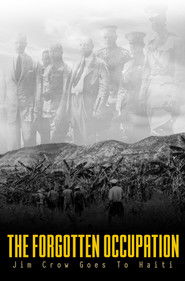
Evocative yet playful, Life Forgotten asks, how does everyday entertainment bring people together and act as a catalyst for social change? Situating archival film in parallel with reenactment, the film conjures up New York’s Lower East Side in the early years of the twentieth century, it centers on a real storefront cinema, Frank Seiden’s Variety Theater. Here silent movies were anything but. Frank and his sons improvised dialog for the films and sang Yiddish ballads to an audience that didn’t hesitate to join in or argue back. It was a welcoming space for women and the film follows a group of radical young garment workers who gather here to figure out how to fight for women’s rights and change their world.The Forgotten Occupation: Jim Crow Goes to Haiti
2026
One hundred years after the Haitian Revolution, the people of Haiti find themselves once again having to defend their liberty, this time against a powerful neighbor, the United States.