New History Movies - Page 496
All Services
Free Services
 Netflix
 Amazon Prime Video
 Apple iTunes
 Apple TV Plus
 Disney Plus
 Google Play Movies
 Paramount Plus
 Hulu
Hulu
 HBO Max
 YouTube
 fuboTV
 Peacock
 Peacock Premium
 Amazon Video
 The Roku Channel
 AMC+
AMC on Demand
AMC+
AMC on Demand
 Kocowa
 Hoopla
 The CW
 Vudu
Vudu
 Starz
Starz
 Showtime
 PBS
PBS
 Pantaflix
 FXNow
FXNow
 Tubi TV
 Kanopy
 Comedy Central
 Crunchyroll
 Microsoft Store
 Redbox
 Sun Nxt
 ABC
ABC
 DIRECTV
 Crackle
 Fandor
 Plex
Plex
Netflix
Amazon Prime Video
Apple iTunes
Apple TV Plus
Disney Plus
Google Play Movies
Paramount Plus
Hulu
HBO Max
YouTube
fuboTV
Peacock
Peacock Premium
Amazon Video
The Roku Channel
AMC+
AMC on Demand
Kocowa
Hoopla
The CW
Vudu
Starz
Showtime
PBS
Pantaflix
FXNow
Tubi TV
Kanopy
Comedy Central
Crunchyroll
Microsoft Store
Redbox
Sun Nxt
ABC
DIRECTV
Crackle
Fandor
Plex

Hitlers Hidden Holocaust
2009
star 7National Geographic Channel (NGC) journeys back to Nazi Europe to tell the story of Hitler's Hidden Holocaust -- the killing frenzy of Hitler's extermination brigades, known as the Einsatzgruppen or "action groups." Woven together with harrowing testimonials from survivors, witnesses and experts, this one-hour special presents in chilling detail -- with photographic evidence and rare video footage - how Nazi soldiers planned, documented and committed these horrific crimes. It was the same routine: Go into a town, round up Jewish families, take them to a ditch and shoot them, often in front of curious spectators.Breaking the Mould
2009
Breaking the Mould
2009
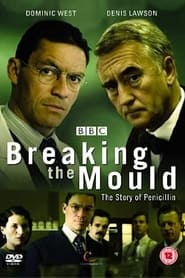
star 5.5A historical drama that tells the story of the development of penicillin in the 1930's/40's, by a group of scientists in Oxford at The Dunn School of PathologyCalle 13 - Sin Mapa
2009
The Scandalous Adventures of Lord Byron
2009
“The first rockstar”, “Crazy, evil and dangerous”. This is how Rupert Everett introduces us to the British romantic poet Lord Byron. Between 1809 and 1810, his daring and eccentric personality led him on a journey from Portugal to Istanbul, through high society gatherings, Turkish baths and brothels. He leaps from one adventure to another, passing from one lover to another, causing scandal with his wild behavior. Ironic and entertaining narrator Rupert Everett accurately recounts Byron’s feats in this episodic, on-the-road period piece produced by Channel 4.Liberation
2009
Liberation
2009
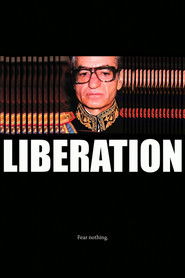
In 1979, the Shah of Iran was overthrown by the country's Islamic Revolution. Forced into exile, he settled in an isolated mansion in Cuernevaca, Mexico and watched as his empire collapsed on television. A powerful examination of dictatorship and its psychological effects on a man, LIBERATION explores a key turning point in Middle-East History and the origins of the Iran we know today.The Lancaster at War
2009
The Lancaster at War
2009
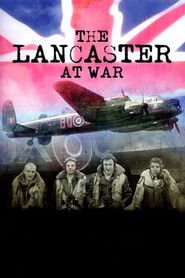
star 6The incredible story of the Avro Lancaster, one of the finest bombers of the Second World War, which played a crucial role in the long and savage campaign to defeat Hitler's Third Reich. This documentary features interviews with surviving veterans of Bomber Command, who share frank personal accounts of their part in an aerial battle of attrition which claimed the lives of 55'000 aircrew.Charles Dickens's England
2009
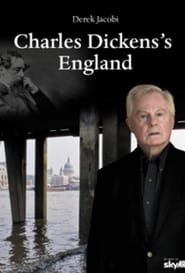
The film looks at the places Charles Dickens lived and worked and how he used them in his novels and stories.A Place Out of Time: The Bordentown School
2009
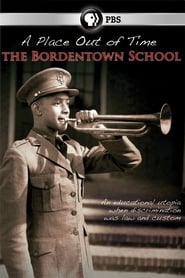
star 7.3For a seventy-year period, when America cared little about the education of African-Americans, and discrimination was law and custom, The Bordentown School was an educational utopia. An incubator for black pride and intellect, it taught values, discipline, and life skills to generations of black children. This is the story of that remarkable school, as told by Bordentown alumni, historians, and remarkable archival footage. It is also the story of black education in America across three centuries, presenting a nuanced, rarely seen portrait of a separate black space; and a much-needed preface to the growing national discussion about historically black institutions and their role in nurturing identity and accomplishment. What was lost and what was gained in the march toward equality?Operation Dunaj
2009
Operation Dunaj
2009
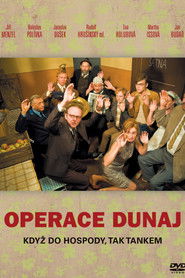
star 5Operation Danube was the cover name for the invasion of Czechoslovakia by Warsaw Pact armies in August 1968. The fleet of Polish tanks which arrive to liberate their neighbor, ostensibly threatened by a counter-revolution, includes the old tank nicknamed Ladybird, which is the last to leave the barracks.Genjuro's Deadly Sword: The Return of Shinigami
2009
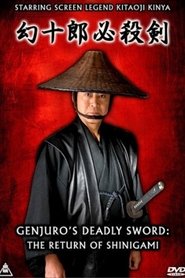
Genjuro’s crime was assassination, his punishment was to survive a faked execution and lose his home, lose his identity, and emerge as Maboroshi Shinigami, the Phantom Assassin. When his wife is kidnapped and tortured to reveal his whereabouts and dragged to the executioner for crucifixion by corrupt clan officials, Genjuro faces an army of swords to save her. Evil men aim to frame Genjuro for another murder. For their scheme they need only one thing, Genjuro’s dead body. Genjuro will have to cut down their swordsmen and challenge Sarashina Gunpei, deadliest blade in Japan in a final blood-soaked battle.Penelope
2009
Penelope
2009
star 3.8This Australian-Croatian co-production appropriates Homer's tale of Penelope, which follows a woman's psychological struggle as she waits twenty years for her husband to return from the Trojan War.烽火木兰山
2009
烽火木兰山
2009
Lucky Country
2009
Lucky Country
2009
star 4.41902....the Australian Federation is a year old. Twelve year-old Tom's father, Nat, has dragged him and his sister, Sarah, to an isolated farm at the edge of the woods. But Nat's dream of living off the land has died and he is losing his grip on sanity. When three ex-soldiers arrive at their cabin one night Tom, like his father, believes they are providence.Tales from Transylvania
2009
star 6In the mountains of Transylvania, ancient beliefs in the supernatural can still be found. These beliefs are quickly dying out as the world modernizes around the tiny villages of the Carpathians.Carmel
2009
Carmel
2009
star 7Israeli filmmaker Amos Gitaï offers a look impressionist long history of armed conflict in their nation.Terror! Robespierre and the French Revolution
2009
star 6.5In 1794, French revolutionary Maximilien Robespierre produced the world's first defense of "state terror" - claiming that the road to virtue lay through political violence. This film combines drama, archive and documentary interviews to examine Robespierre's year in charge of the Committee Of Public Safety - the powerful state machine at the heart of Revolutionary France. Contesting Robespierre's legacy is Slavoj Zizek, who argues that terror in the cause of virtue is justifiable, and Simon Schama, who believes the road from Robespierre ran straight to the gulag and the 20th-century concentration camp. The drama, based on original sources, follows the life-and-death politics of the Committee during "Year Two" of the new Republic.Dr. Hope
2009
Dr. Hope
2009
star 7Historical Bio-Pic, based on the life of Hope Bridges Adams-Lehmann, being the first female physician and member of womens-lib movement in Germany at the end of 19th century.It Felt Like a Kiss
2009
It Felt Like a Kiss
2009
star 6.5The story of America's rise to power starting with 1959, using archival footage and US pop music to highlight the consequences to the rest of the world and in the peoples' minds.Che: Rise and Fall
2009
Che: Rise and Fall
2009
Che: Rise and Fall, was entirely shot in Cuba at the time the remains of the legendary warrior were being airlifted from Bolivia to his final resting place in Santa Clara. The documentary brings out, for the first time, the voice of his brothers in arms in Sierra Maestra, Congo and Bolivia. But above all, that of Alberto Granados with whom the young CHE Guevara rode on a motorcycle out of Argentina on a trip that will end, tragically, sixteen years later in the jungles of Bolivia.