New War Movies - Page 146
All Services
Free Services
 Netflix
 Amazon Prime Video
 Apple iTunes
 Apple TV Plus
 Disney Plus
 Google Play Movies
 Paramount Plus
 Hulu
Hulu
 HBO Max
 YouTube
 fuboTV
 Peacock
 Peacock Premium
 Amazon Video
 The Roku Channel
 AMC+
AMC on Demand
AMC+
AMC on Demand
 Kocowa
 Hoopla
 The CW
 Vudu
Vudu
 Starz
Starz
 Showtime
 PBS
PBS
 Pantaflix
 FXNow
FXNow
 Tubi TV
 Kanopy
 Comedy Central
 Crunchyroll
 Microsoft Store
 Redbox
 Sun Nxt
 ABC
ABC
 DIRECTV
 Crackle
 Fandor
 Plex
Plex
Netflix
Amazon Prime Video
Apple iTunes
Apple TV Plus
Disney Plus
Google Play Movies
Paramount Plus
Hulu
HBO Max
YouTube
fuboTV
Peacock
Peacock Premium
Amazon Video
The Roku Channel
AMC+
AMC on Demand
Kocowa
Hoopla
The CW
Vudu
Starz
Showtime
PBS
Pantaflix
FXNow
Tubi TV
Kanopy
Comedy Central
Crunchyroll
Microsoft Store
Redbox
Sun Nxt
ABC
DIRECTV
Crackle
Fandor
Plex

Raid. The Power of Unbroken
2015
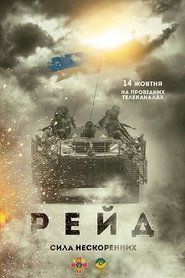
star 6The main character is a colonel, Hero of Ukraine, presently the airborne forces commander, and up until March 2015 the commander of the 95th air brigade. His name is Mikhail Zabrodsky, and he leads not just his 95th brigade but all the other Highly Mobile Airborne Forces. Just as all of us, he wants the Ukrainian warriors not to die any more, be they troopers, tankmen or cannoneers. “I would happily give up the star of the Hero of Ukraine in exchange for peace,” the colonel says. The film plot is based on the longest crackdown in military history, which took place in August 2014 from Mariupol (which was reached after breaking the enemy’s defense) to Slavyansk; 470 kilometers in total, out of which 170 kilometers were to the other side of the front line.Winged Warriors
2015
Winged Warriors
2015
A story of war, fear, courage and leadership from the First World War front line when the survival of the last of a platoon of soldiers who reach the enemy trenches depends on their messenger pigeons.Hyena Road
2015
Hyena Road
2015
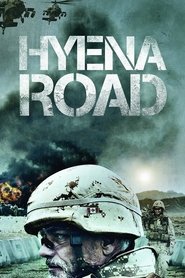
star 6.8Three different men, three different worlds, three different wars – all stand at the intersection of modern warfare – a murky world of fluid morality where all is not as it seems. A unique and dramatic look at the Canadian Army in Afghanistan.The Brig
2015
The Brig
2015
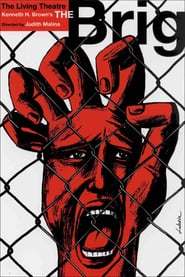
I am not free. There is a structure in my mind that imprisons me. This structure is the world. I obey certain laws. I could be punished. I cannot act upon my sexual desires. I cannot find the resources I need to create my art. I cannot stop war. I cannot live without money.My Good Hans
2015
My Good Hans
2015
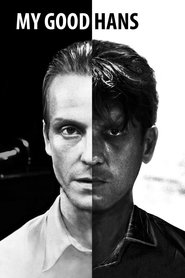
star 4.8It is a story about the Soviet worker Pyotr and the German engineer Hans, who came to the USSR before the war on a business trip. At a Soviet plant the German team works in cooperation with Russian specialists. Once Hans makes a mistake which causes the explosion of the furnace and human losses. Hans finds himself at the mercy of Pyotr, the only witness to his actions near the furnace. Pyotr also depends on Hans, because Pyotr’s very presence near the furnace entails accusation of subversive actions and a death sentence. Mutual suspicion gives way to silent sympathy and later friendship. They even look like each other, both have small children. Pyotr secretly leaves the town with his family but Hans feels loss rather that relief at the disappearance of the embarrassing witness.Soldiers of the Damned
2015
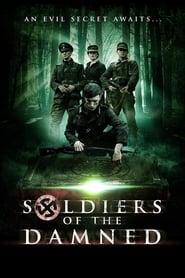
star 6.2WWII German soldiers take an occult scientist into a haunted forest in Romania, only to be confronted by their own ghosts.The Street Performers
2015
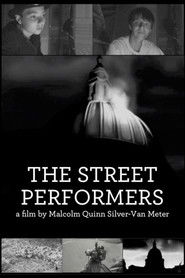
star 3This documentary-style short follows two impoverished teens performing on the streets of London in the days leading up to the London Blitz of 1940.Felix Manalo
2015
Felix Manalo
2015
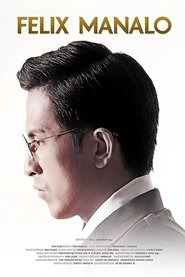
star 3.7Felix Yzagun Manalo is a sprawling historical epic that traces the origin of Iglesia Ni Cristo (The Church of Christ) which is established in the Philippines from its humble beginnings in 1914 through the present day.Rif 58-59: Break the Silence
2015
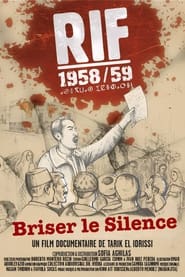
From 1958 to 1959, the inhabitants of the Rifian provinces suffered fierce repression in response to their uprising against their economic and social situation. In their eyes, the central power has destroyed their political, social and economic structure. Fear has been installed for more than 50 years and creates a real taboo around the subject.The Wakhan Front
2015
The Wakhan Front
2015
star 6.3Afghanistan, 2014. As the withdrawal of troops approaches, Captain Antarès Bonassieu and his squad have been assigned a surveillance mission in a remote valley of Wakhan, on the border of Pakistan. Despite Antarès and his men’s determination, control of the secluded valley will slowly fall out of their hands. One dark night, soldiers begin to mysteriously disappear in the valley.Pilecki
2015
Pilecki
2015
star 4.3The film "Pilecki" is a fictionalized documentary depicting the story of Witold Pilecki, from his youth through action during World War II, up to the imprisonment and death in May 1948.The Long Way Home
2015
The Long Way Home
2015
star 6.9Nam-bok, a middle-aged South Korean farmer is conscripted and assigned a mission to deliver a classified military document that may decide the fate of the war. After losing it while under attack from the enemy, he then faces a teenage North Korean soldier named Yeong-gwang who happens to acquire the secret document on his way to the North.Macbeth
2015
Macbeth
2015
star 6.4Feature film adaptation of Shakespeare's Scottish play about General Macbeth whose ambitious wife urges him to use wicked means in order to gain power of the throne over the sitting king, Duncan.Soldaten
2015
Soldaten
2015
Soldaten is a short about crossed destinies and misunderstandings at the very end of World War II. Three men will meet and miss each other in a fateful final day.The Dance of the Horses
2015
star 10The film is based on a true story. It talks about the end of War and defeat of forces and the relation between Kurds and Arabs by the end of 1991.The Wind
2015
The Wind
2015
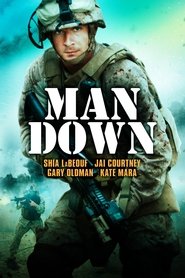
The tragedy of the Syrian people: War, conflict, loss, migration, exile, asylum, detention, drowning… A deserted place. Abandoned people. Abandoned country. The doors slammed shot; the doors are now locked - the keys thrown away...for what seems forever.Man Down
2015
Man Down
2015
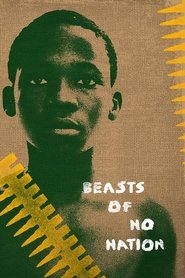
star 6When a U.S. Marine returns home from Afghanistan, he finds that the place he once called home is no better than the battlefields he fought on overseas. Accompanied by his best friend, he searches desperately for the whereabouts of his estranged son and wife. In their search, the two intercept a man carrying vital information about his family.Beasts of No Nation
2015
Beasts of No Nation
2015
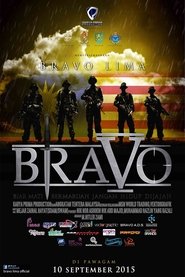
star 7.6Based on the experiences of Agu, a child fighting in the civil war of a West African country. Follows Agu's journey as he's forced to join a group of soldiers. While he fears his commander and many of the men around him, his fledgling childhood has been brutally shattered by the war raging through his country, and he is at first torn between conflicting revulsion and fascination.Bravo 5
2015
Bravo 5
2015
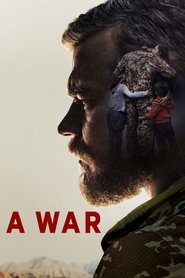
star 2Set in 1989, five members of the Commando Army from the Special Force Regiment have been instructed to locate the whereabouts of guerilla communists, who are planning to obtain the strategic position of central Peninsular Malaysia. However, when the members lose contact with the rest of the army due to a broken communication set, the five of them will have to fight off an army of guerilla communists.A War
2015
A War
2015
star 6.6Company commander Claus Michael Pedersen and his men are stationed in Helmand, Afghanistan. Meanwhile back in Denmark, with a husband at war and three children missing their father, everyday life is a struggle for Claus' wife Maria. During a routine mission, the soldiers are caught in heavy Taliban crossfire. In order to save his men, Claus makes a decision that ultimately sees him return to Denmark accused of a war crime.