New War Movies - Page 167
All Services
Free Services
 Netflix
 Amazon Prime Video
 Apple iTunes
 Apple TV Plus
 Disney Plus
 Google Play Movies
 Paramount Plus
 Hulu
Hulu
 HBO Max
 YouTube
 fuboTV
 Peacock
 Peacock Premium
 Amazon Video
 The Roku Channel
 AMC+
AMC on Demand
AMC+
AMC on Demand
 Kocowa
 Hoopla
 The CW
 Vudu
Vudu
 Starz
Starz
 Showtime
 PBS
PBS
 Pantaflix
 FXNow
FXNow
 Tubi TV
 Kanopy
 Comedy Central
 Crunchyroll
 Microsoft Store
 Redbox
 Sun Nxt
 ABC
ABC
 DIRECTV
 Crackle
 Fandor
 Plex
Plex
Netflix
Amazon Prime Video
Apple iTunes
Apple TV Plus
Disney Plus
Google Play Movies
Paramount Plus
Hulu
HBO Max
YouTube
fuboTV
Peacock
Peacock Premium
Amazon Video
The Roku Channel
AMC+
AMC on Demand
Kocowa
Hoopla
The CW
Vudu
Starz
Showtime
PBS
Pantaflix
FXNow
Tubi TV
Kanopy
Comedy Central
Crunchyroll
Microsoft Store
Redbox
Sun Nxt
ABC
DIRECTV
Crackle
Fandor
Plex

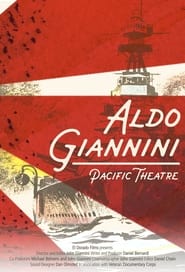
Aldo Giannini: Pacific Theatre
2014
Like many other young men of his generation, after Pearl Harbor was attacked, Aldo Giannini joined the Marines with little idea of what lay ahead. After training, he was quickly deployed overseas and fought in the bloody Battle of Tarawa, surviving with a shrapnel injury and the haunting memory of witnessing the loss of 3,250 U.S. lives. He went on to fight in other battles and returned home after 3 intense years of service. Nearly eight decades later, he still questions if winning the island was worth the price.Spirit of Resistance
2014
Spirit of Resistance
2014
Awdat Al Tajneed
2014
Ambush
2014
Ambush
2014
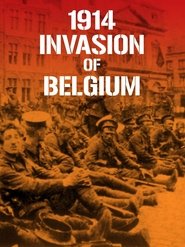
1914 Invasion of Belgium
2014
The small Belgian army held up the German advance, the British Expeditionary Force fought its first battle and the invincible German army was brought to a standstill in Belgium. This film traces that first month, the battles of Liège, Antwerp and Mons. In reconstruction it uses the words of those who took part and looks at the remains of the battlefields and the fortifications that still exist.What the Dambusters Did Next
2014
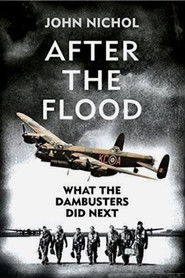
star 7The daring raid is undoubtedly one of the most famous in the history of the Second World War, the subject of a great British blockbuster and countless books. But what did the elite fliers of No 617 Squadron RAF, otherwise known as the Dambusters, do after Operation Chastise? This new documentary provides a wealth of insight into the spectacular missions undertaken by the squadron after the deployment of the famous bouncing bombs in 1943.Mairéad Farrell: An Unfinished Conversation
2014
Mairéad Farrell was shot dead by the SAS in Gibraltar in 1988 along with two other unarmed members of the IRA in one of the most controversial incidents arising from the Troubles in Northern Ireland. She had just been released from prison the year before after serving ten years for causing an explosion at an hotel near Belfast. The killing of the three provoked an international outcry and eventual enquiry. Due to her youth, her gender and her stature within the IRA, Mairéad Farrell was, unsurprisingly, quickly subsumed into the pantheon of Irish republican martyrs. But behind the mythologizing and demonisation of the time, there was also a real person, a flesh and blood young woman who was prepared to kill and die for her beliefs.I'm Coming Home
2014
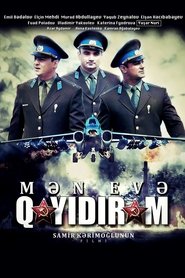
I'm Coming Home
2014
The propaganda film tells the heroic story of Tarlan Seyidzade, who served in the Russian army.WWI: Hidden Traces
2014
WWI: Hidden Traces
2014
The First World War: soldiers from at least 20 countries were plunged in the hell of trenches… caught under a deluge of bombs. A century later, archaeologists help bring to light the daily life of the soldiers fighting on the French Eastern Front and reveal unexpected aspects of life on the front.D-Day: Hidden Traces
2014
D-Day: Hidden Traces
2014
D-Day - June 6th 1944 : Uncovered by recent archeological digs, traces left behind by soldiers and civilians on the battle ground such as helmets, badges, bullets, weapons, and cans plus findings of underground passages and secret blockhouses provide new insights into WW2 history.Habana
2014
Habana
2014
star 5.9Havana is occupied by foreign forces and on the edge of civil war. Lazaro, a kid from the slums, walks us through his streets and reveals the chaos that has taken over the capital.The Great War - 1917 - Year of Endurance
2014
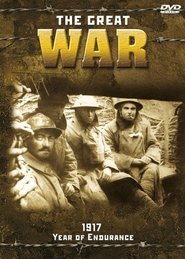
Part of the documentary series looking at the course of the First World War. This volume examines the events of 1917, when the Allies launched desperate attacks on the German lines with huge casualties, but with little result. By the end of the year, the Russians had withdrawn from the conflict following the Revolution, while the Americans were slowly becoming involved.Trauma
2014
Trauma
2014
On the London Underground, a young man relives past traumas as he endures the sensory overload of rush hour, only to look up and see a young woman at the end of the carriage going through the same PTSD symptoms. Their recognition of each other's condition allows them a moment of peace before the train jolts them back into reality and she disappears at the next platform.The Road to War (The End of an Empire)
2014
"The Road to War" uses elaborate and fascinating computer-generated recreations and archives never seen before to examine how the assassination of Archduke Franz Ferdinand in 1914 was used by the Austro-Hungarian Empire to start a war against Serbia. The film investigates how this regional conflict involving the Central Powers and the Triple Entente escalated to become "World War I", a war with more than 17 million dead and More than 20 million injured.Genvieve
2014
Genvieve
2014
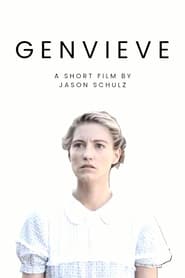
Genvieve, a French farm girl, finds herself caught in the middle of a WW2 battle between the Germans and Americans.Démontable
2014
Démontable
2014
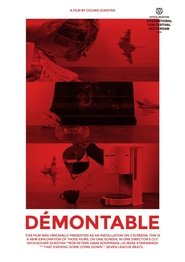
In Démontable, our domestic space turns into a world reminiscent of Gulliver’s Travels, invaded by miniature projections of the outside world. “A funny, playful film on the absurd relationship between daily life and global news. The level of media saturation we’re bombarded with creates an absurd distortion and distance between our daily routine and current affairs. Démontable explores this bizarre melange of realities by throwing the two worlds together: attack helicopters shred a newspaper, while a dinner plate suffers a drone strike. They’re a series of attempts to try and understand our world better by playing with its violent protagonistsFort McCoy
2014
Fort McCoy
2014
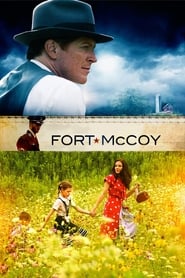
star 5.6Unable to serve in World War II because of a heart condition, a barber moves his family adjacent to a Wisconsin army base and prisoner-of-war camp to provide his services. But even in rural America -- far from the frontline -- the war finds victims.Planet USA
2013
Planet USA
2013
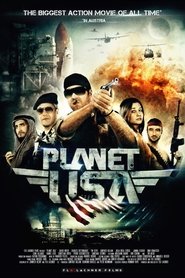
star 5.3Planet Earth. USA. 2015. The natural oil resources are running out. The hatred between East and West has spread like a plague all over the world. The planet is on the brink of World War III.Pedro Calungsod: Batang Martir
2013
star 4Pedro Calungsod, a young Filipino man, leaves his Visayan native roots to join the Spanish Jesuit priest Fr. Diego de San Vitores in his mission to the Marianas Islands (Guam) in 1668. The San Diego Mission arrives in the Marianas where the young Pedro, a trained catechist and mission assistant, begins work for Fr. Diego de San Vitores in baptizing the Chamorro natives, preaching the holy gospel and spreading the good news of salvation through the Christian faith amidst paganism, doubt and disbelief. Despite the longing for his father and the threats to their lives, even at the peril of death, Pedro and Fr. Diego continued their missionary work. They roamed the dangerous islands and baptized many more natives and continued to enlighten them about Christianity.