New War Movies - Page 251
All Services
Free Services
 Netflix
 Amazon Prime Video
 Apple iTunes
 Apple TV Plus
 Disney Plus
 Google Play Movies
 Paramount Plus
 Hulu
Hulu
 HBO Max
 YouTube
 fuboTV
 Peacock
 Peacock Premium
 Amazon Video
 The Roku Channel
 AMC+
AMC on Demand
AMC+
AMC on Demand
 Kocowa
 Hoopla
 The CW
 Vudu
Vudu
 Starz
Starz
 Showtime
 PBS
PBS
 Pantaflix
 FXNow
FXNow
 Tubi TV
 Kanopy
 Comedy Central
 Crunchyroll
 Microsoft Store
 Redbox
 Sun Nxt
 ABC
ABC
 DIRECTV
 Crackle
 Fandor
 Plex
Plex
Netflix
Amazon Prime Video
Apple iTunes
Apple TV Plus
Disney Plus
Google Play Movies
Paramount Plus
Hulu
HBO Max
YouTube
fuboTV
Peacock
Peacock Premium
Amazon Video
The Roku Channel
AMC+
AMC on Demand
Kocowa
Hoopla
The CW
Vudu
Starz
Showtime
PBS
Pantaflix
FXNow
Tubi TV
Kanopy
Comedy Central
Crunchyroll
Microsoft Store
Redbox
Sun Nxt
ABC
DIRECTV
Crackle
Fandor
Plex

A Place To Stand
2002
A Place To Stand
2002
Actor Wi Kuki Kaa plays Tiare, a Vietnam War veteran who is dislocated by his experiences of war, and homelessness. He wanders the city streets, collecting ephemera in plastic bags. Nancy Brunning plays his daughter, who, with her own daughter, visits their reluctant koro to convince him to visit his ancestral home. The result is a moving story about a man jolted to find his turangawaewae, and the whanau that helps him get there. (NZ On Screen)K-19: The Widowmaker
2002
K-19: The Widowmaker
2002
star 6.5When Russia's first nuclear submarine malfunctions on its maiden voyage, the crew must race to save the ship and prevent a nuclear disaster.Special Operations: America's Secret Soldiers
2002
US Army Green Berets patrol the roads, small towns and villages in Southeast Afghanistan near the Pakistani border, supporting the local police against attack, training the local militia and dealing with the local warlords.Andreas Hofer
2002
Le Puits
2002
Le Puits
2002
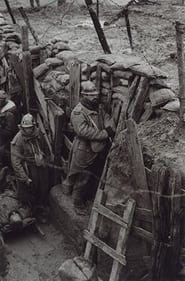
When the Big war started, the 2nd of August 1914, Louis is one of those first mobilized. He has to leave Marie and his village in Corsica for the plains of the Marne where the fights rage. On the front, he is a stretcher-bearer and crosses the battlefield, at night, in search of the wounded. One day, while the trench is sorely lacking water, he is chosen to go to a well situated halfway between the French and German territories in what they called "no-man's-land". There, he finds himself in front of a German soldier who has also come too stock up.Journey to Tomorrow
2002
Journey to Tomorrow
2002
Sara Parsa, a newspaper reporter, and Rahim, a chemical weapons veteran, are traveling together on a train heading to Abadan. Sara has a mission to report on today's youth conference, to which foreign guests have been invited. Rahim has a mission to clear a broken silo left over from the war, full of ammunition and explosives.Netto Perde Sua Alma
2002
Windtalkers
2002
Windtalkers
2002
star 6.3Joe Enders is a gung-ho Marine assigned to protect a "windtalker" - one of several Navajo Indians who were used to relay messages during World War II because their spoken language was indecipherable to Japanese code breakers.Soldati di Pace
2002
Soldati di Pace
2002
Snipers Alley
2002
Shinobi: The Law of Shinobi
2002
star 1.5In the world of the Ninja, fighting skills play a small role in one's rank in the Shinobi order. Kageru is the best in his class, but his birth predestines him to the lower class. His friend Aoi is dealt the same fate; together they'll have to question themselves.Price for Peace
2002
Price for Peace
2002
star 5.6This powerful and thought provoking film chronicles the compelling events in the Pacific Theater of WWII, from the bombing of Pearl Harbor in 1941 to the American occupation of Japan in 1945. It depicts the strength and courage of America's youth, while examining how these men and women dealt with being thrust into this brutal war. The film includes interviews with war veterans, both American and Japanese, from all branches of the military. It features testimony from medics, nurses, dog handlers, as well as Japanese-Americans who were imprisoned at internment camps in the United States. The film also includes a first hand account of the tragic impact of the atomic bomb on Japanese citizens. Among the veterans who appear is Zenji Abe, a Japanese veteran who flew the mission to bomb Pearl Harbor, and retired General Paul Tibbets who flew the mission to bomb Hiroshima.Kedma
2002
Kedma
2002
star 4.8In May 1948, shortly before the creation of the State of Israel, hundreds of immigrants from across Europe arrive in Palestine--only to risk arrest by British troops.Ararat
2002
Ararat
2002
star 6.1Interrogated by a customs officer, a young man recounts how his life was changed during the making of a film about the Armenian genocide.The Star
2002
The Star
2002
star 5.9In the summer of 1944, the Nazi Armies prepare a massive Tank Division named 'Viking" for the offensive on occupied Russian land. The Russian Army's special group of seven snipers named "Zvezda" is sent for a reconnaissance operation behind the enemy lines in the back of the Nazi Tank Division. Two previous Russian groups never came back. The seven Russians know that they are going to an almost certain Death for the sake of Victory.Comedy
2002
Comedy
2002
star 7During Ireland's War of Independence, a five-year-old girl sets out to save her village from the English army by trying to enlist the help of the rumored Black Swordsman, who only takes books of a certain genre as payment.Deserter
2002
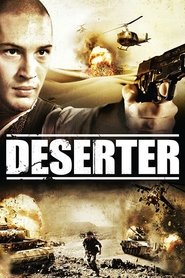
Deserter
2002
star 5.2Unlikely friends in a melting pot of confusion. Simon Murray fights for the French Foreign Legion. Pascal Dupont fights for himself. War torn men question honour, hope, morality...because you can desert everything...except yourself.My Older Brother
2002
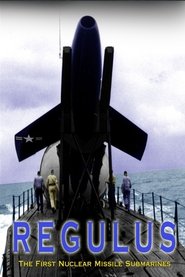
Regulus: The First Nuclear Missile Submarines
2002
star 6A documentary history of the development and deployment of the Cold War's ultimate weapon: the nuclear missile submarine. Features interviews with Navy veterans and footage never-before-seen by the public.Ceasefire!
2002