New War Movies - Page 347
All Services
Free Services
 Netflix
 Amazon Prime Video
 Apple iTunes
 Apple TV Plus
 Disney Plus
 Google Play Movies
 Paramount Plus
 Hulu
Hulu
 HBO Max
 YouTube
 fuboTV
 Peacock
 Peacock Premium
 Amazon Video
 The Roku Channel
 AMC+
AMC on Demand
AMC+
AMC on Demand
 Kocowa
 Hoopla
 The CW
 Vudu
Vudu
 Starz
Starz
 Showtime
 PBS
PBS
 Pantaflix
 FXNow
FXNow
 Tubi TV
 Kanopy
 Comedy Central
 Crunchyroll
 Microsoft Store
 Redbox
 Sun Nxt
 ABC
ABC
 DIRECTV
 Crackle
 Fandor
 Plex
Plex
Netflix
Amazon Prime Video
Apple iTunes
Apple TV Plus
Disney Plus
Google Play Movies
Paramount Plus
Hulu
HBO Max
YouTube
fuboTV
Peacock
Peacock Premium
Amazon Video
The Roku Channel
AMC+
AMC on Demand
Kocowa
Hoopla
The CW
Vudu
Starz
Showtime
PBS
Pantaflix
FXNow
Tubi TV
Kanopy
Comedy Central
Crunchyroll
Microsoft Store
Redbox
Sun Nxt
ABC
DIRECTV
Crackle
Fandor
Plex

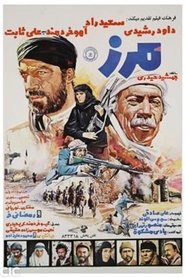
Border
1981
Border
1981
This film was the first feature film about the Iran-Iraq war that was made and released.Beirut: The Encounter
1981
star 5.7Zeina is a Catholic student whose good friend Haidar, a Muslim, has always been particularly close. After a futile attempt to get together (he gets caught in traffic), they each decide to make an audio tape trying to explain, based on their own ideas, why there continues to be fighting in Lebanon now, in 1977, and why they are against it. Zeina is about to leave for the United States and Haidar is to meet her at the airport, where they will exchange their tapes. Alas, fate intervenes because when he arrives early at the airport, he is harassed by someone looking to prey on gullible refugees and he gets so angry that he grabs a taxi out of there, throwing his tape away as he does so. When Zeina arrives and realizes he is not there, she is broken-hearted.Le combat motorisé dans les localités
1981
A French military training film depicting a battle against mutants created by a meteorite.Back to the Sand Village
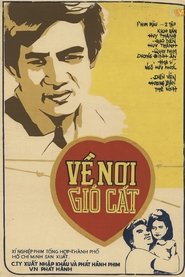
1981
After the war ends, Luy returns home and is now assigned as Commune Secretary of his coastal village. However, his wife is now wedded to Son, a soldier of the formerRepublic of Vietnam regime.Alima
1981
Alima
1981
Mongolian girl Alima is assigned to accomplish an important mission by CCP. During the mission, her father and fellows are killed by the enemy in a public execution.Ostrov
1981
Ostrov
1981
The author attempted to analyze the disintegration of the Slovak Army before the outbreak of the SNP and showed how the conditions grew for the army to join the Uprising. Through the characters of soldiers and officers of a small unit of the Slovak Army, deployed away from the events of the war, the play captures the suffocating atmosphere of expectation that existed just before the outbreak of the SNP.Na melinę
1981
Na melinę
1981
A group of resistance fighters discover the secret collaboration between a local beggar and the Nazis.Waste Land
1981
Waste Land
1981
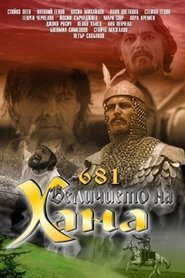
Montenegro in 1944. A highland farmer tries to change his only son's decision to join the partisans, while minding his own business and not taking any side himself. During the work field they are both captured by Chetniks who previously killed some local shepherds, and their fate is about to be decided by a reckless gang of murderers.681 - The Glory of the Khan
1981
In 651, Khan Kubrat died and the Khazars accelerated their raids upon Great Bulgaria. His five sons split the Bulgarian tribe and each led his to find new land where they could live in peace. Khan Asparukh, the youngest son, went west and, after an arduous journey lasting for years, southward across the River Danube, into Moesia. In 680-81, in alliance with the Slavs, he inflicted stunning defeats on the Roman legions and forced the Byzantine Empire to recognize the formation of the new state of Bulgaria in the lands where it still exists today.解放石家庄
1981
解放石家庄
1981
Ma Qiang a New Soldier
1981
star 8.5A recruit grows up quickly in the army and becomes a mature soldier.I Am Khortitsa
1981
I Am Khortitsa
1981
star 6.2The hard days of August 1941. Enemy troops approached Zaporozhye, the island of Khortitsa was captured, and the Nazis shelled the city from its high banks. Our troops sought to recapture this bridgehead at all costs. Schoolchildren - fighters of the "Young Chapaevets" detachment - helped the Soviet soldiers.Young Friends
1981
Young Friends
1981
The Train for Kraljevo
1981
star 5.3It is 1941 and the German occupying forces are taking over Yugoslavia, making a train ride to Kraljevo a dangerous game for a secret communist agent carrying important documents. Both the Germans and the police are looking for him on the train, and his safe arrival in Kraljevo seems like an impossibility. His determination to get the papers to the right people keeps him going, even through a gun battle after the train arrives - challenging him to find a way to complete his mission.High Pass
1981
High Pass
1981
star 4World War II scattered the Carpathian peasant family of Yaroslava Petrin. She is a dedicated communist, and her husband, son and daughter support OUN-UPA.Message From The Future
1981
star 3.6From the year 3005, a delegate from the future arrives in 1985 to convince the present leaders make certain World War III happens, which he guarantees will make for a better future. Having already caused natural disasters and catastrophes by coming back from the future, he now tries to force his message on the world press and TV.