New War Movies - Page 432
All Services
Free Services
 Netflix
 Amazon Prime Video
 Apple iTunes
 Apple TV Plus
 Disney Plus
 Google Play Movies
 Paramount Plus
 Hulu
Hulu
 HBO Max
 YouTube
 fuboTV
 Peacock
 Peacock Premium
 Amazon Video
 The Roku Channel
 AMC+
AMC on Demand
AMC+
AMC on Demand
 Kocowa
 Hoopla
 The CW
 Vudu
Vudu
 Starz
Starz
 Showtime
 PBS
PBS
 Pantaflix
 FXNow
FXNow
 Tubi TV
 Kanopy
 Comedy Central
 Crunchyroll
 Microsoft Store
 Redbox
 Sun Nxt
 ABC
ABC
 DIRECTV
 Crackle
 Fandor
 Plex
Plex
Netflix
Amazon Prime Video
Apple iTunes
Apple TV Plus
Disney Plus
Google Play Movies
Paramount Plus
Hulu
HBO Max
YouTube
fuboTV
Peacock
Peacock Premium
Amazon Video
The Roku Channel
AMC+
AMC on Demand
Kocowa
Hoopla
The CW
Vudu
Starz
Showtime
PBS
Pantaflix
FXNow
Tubi TV
Kanopy
Comedy Central
Crunchyroll
Microsoft Store
Redbox
Sun Nxt
ABC
DIRECTV
Crackle
Fandor
Plex

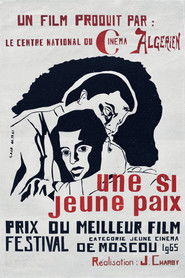
So Young a Peace
1965
So Young a Peace
1965
star 10The first fictional feature film produced in Algeria after independence, this film addresses one of the most worrying problems: that of childhood. Children, freedom regained, do not yet know how to play “at peace”, they naturally play “at war”.The Night Is Afraid of the Sun
1965
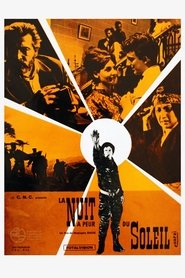
star 10Historical film in four scenes which retrace the returns, the progress and the outcome of the war of liberation in Algeria. The first painting, “The land was thirsty” describes aspects of injustice and colonial oppression. The second “The Paths to the Prison” recounts the sufferings of the people engaged in combat. The last two are the stories of two lives.The Dead Don't Sing
1965
The Dead Don't Sing
1965
A two-part television film based on the novel of the same name by Rudolf Jašík, depicting a realistic picture of life and interpersonal relationships during World War II in the mixed Slovak-German environment of the town of Pravna and the nearby village of Planice, as well as life and relationships between soldiers on the Eastern Front. From this perspective, the plot follows a unit of Slovak soldiers, their realisation that they are fighting for foreign interests, their dissatisfaction and distrust of everything, especially their officers.Instrumentum mortis
1965
Hey, Stop That
1965
Hey, Stop That
1965
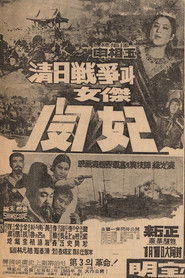
An impressionistic slapstick satire on bomb shelters, military recruiting and gung-ho philosophy.The Sino-Japanese War and Queen Min the Heroine
1965
Queen Min makes regent Prince Daewon withdraw from ruling with the help of the Min Seung-ho Party.North and South
1965
North and South
1965
This wartime melodrama revolves around a woman caught between two men: her husband, a South Korean lieutenant, and her former lover, a North Korean officer who defects to come find her.A Dirty War
1965
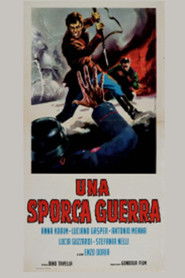
A Dirty War
1965
In 1943, four Italian Alpini escape back to Italy after their company was decimated in Croatia by Yugoslav partisans. One of the four, Paolo, is seriously wounded and must undergo a leg amputation. The young man, embittered by his mutilation and the end of his soccer career, enlists in the fascist Brigate Nere. Once a member of the Brigate Nere, Paolo turns to evil and captures his former comrades, who must defeat him.A Look Back at Crossbow
1965
A promotional short for Operation Crossbow (1965) giving historical background for the film's plot using archival footage of Robert Goddard's rocket experiments in the 1930s. Nazi Germany bought his patents to start their rocket program.Bitter Greens
1965
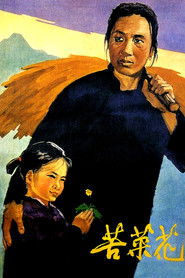
Bitter Greens
1965
Mother Feng and her family struggle to live before and during the Japanese invasion of China.打击侵略者
1965
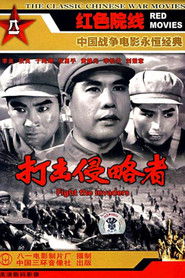
打击侵略者
1965
Shevatcha Malusara
1965
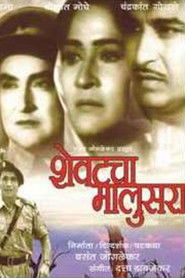
Shevatcha Malusara
1965
star 5An unusual Marathi war movie which mobilises and updates a historical/regional chauvinism associated with 17th-C. Maratha emperor Shivaji. Major Subhanrao Malusare, a direct descendant of Shivaji’s legendary lieutenant Tanaji Malusare, continues a proud family tradition by winning the Victoria Cross as an Allied officer fighting against Italian fascists in WW2. When he dies, his wife Savitri (Uma) vows that their son will never join the army. However, during the India-China conflict (1962), when her son’s friend is killed, she enjoins her son to fight for the nation even though the boy’s death would mean the end of the ancient clan. The film updated the rousing sentimentalism associated with Shivaji historicals into the present via songs such as He bharatiyano aika balidan katha veeranchi.Express Train
1965
19 december
1965
Game Without Rules
1965
Game Without Rules
1965
The Second World War is over. The post-war Germany is divided into several responsibility zones. Still many Russian people languish in camps located in the American zone. Though former allies are in no hurry to let them off to the motherland, and even try to enroll some of them. The American intelligence agency gets to know that they've got a daughter of one of the West Germany cities commandant, whose brother is a famous soviet rocket engineering designer. They plan a crafty operation on the discrimination of the Russian colonel and introduction of the niece into the uncles design office. The Russian Intelligence service is also aware of the Americans interest in the designers works. The special department colonel Lartsev is coming from Moscow to Germany to prepare a reciprocal operation.North and South
1965
North and South
1965
star 6Based on a radio drama, this wartime melodrama revolves around a woman caught between two men: her husband, a South Korean lieutenant, and her former lover, a North Korean officer who defects to come find her. The film portrays not only their tragic love triangle but also the empathetic bond that develops between the two men.Tunnel Warfare
1965
Tunnel Warfare
1965
star 6.5A small town defends itself from the Japanese by use of a network of tunnels during the Second Sino-Japanese War.Red Crag
1965
Red Crag
1965
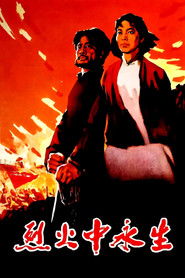
star 10A taut wartime thriller, Red Crag: Life in Eternal Flame anticipates the paranoia and violence of the imminent Cultural Revolution while harking back to the aesthetic splendour of the Golden Age Shanghai cinema of the late 1940s. (This opulence is largely due to the work of cinematographer Zhu Jinming, the master visual stylist of Shangrao Concentration Camp and other key "Seventeen Years" films.) The film concerns a hard-boiled woman working in the Chongqing Communist underground during World War II, whose commitment to the guerrilla cause is only intensified after she witnesses her husband's head mounted on the city walls by the Nationalist forces.First Snow
1964
First Snow
1964
Ten Fearless Men
1964