New War Movies - Page 442
All Services
Free Services
 Netflix
 Amazon Prime Video
 Apple iTunes
 Apple TV Plus
 Disney Plus
 Google Play Movies
 Paramount Plus
 Hulu
Hulu
 HBO Max
 YouTube
 fuboTV
 Peacock
 Peacock Premium
 Amazon Video
 The Roku Channel
 AMC+
AMC on Demand
AMC+
AMC on Demand
 Kocowa
 Hoopla
 The CW
 Vudu
Vudu
 Starz
Starz
 Showtime
 PBS
PBS
 Pantaflix
 FXNow
FXNow
 Tubi TV
 Kanopy
 Comedy Central
 Crunchyroll
 Microsoft Store
 Redbox
 Sun Nxt
 ABC
ABC
 DIRECTV
 Crackle
 Fandor
 Plex
Plex
Netflix
Amazon Prime Video
Apple iTunes
Apple TV Plus
Disney Plus
Google Play Movies
Paramount Plus
Hulu
HBO Max
YouTube
fuboTV
Peacock
Peacock Premium
Amazon Video
The Roku Channel
AMC+
AMC on Demand
Kocowa
Hoopla
The CW
Vudu
Starz
Showtime
PBS
Pantaflix
FXNow
Tubi TV
Kanopy
Comedy Central
Crunchyroll
Microsoft Store
Redbox
Sun Nxt
ABC
DIRECTV
Crackle
Fandor
Plex

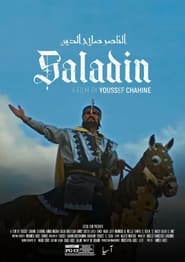
Saladin
1963
Saladin
1963
star 7.2The first Sultan of Egypt and Syria leads the Muslim military campaign against the invading Christians from Europe during the Third Crusade.Commando Assault
1963
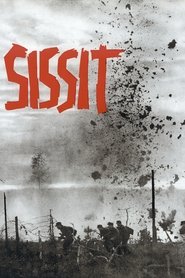
Commando Assault
1963
star 6Lieutenant Takala meets his fellow partisans of 20th division many year after the war. With flashbacks we see the events of summer 1944.Like Two Drops of Water
1963
star 6.3The fainthearted cigar trader Ducker keeps himself quiet during World War II. That changes when parachutist Dorbeck lands in his backyard. It turns out the parachutist bears a remarkable resemblance to Ducker. Ducker follows Dorbeck blindly, becomes involved in the Dutch resistance and soon starts killing people. When he escapes through German lines to the freed South Netherlands, no one has ever heard of Dorbeck.Hello, Gnat!
1963
Hello, Gnat!
1963
star 9.5During the construction of an oil pipeline, an unexploded bottom mine was discovered. The dangerous situation brings back memories of wartime events for diver Gnat.The Hook
1963
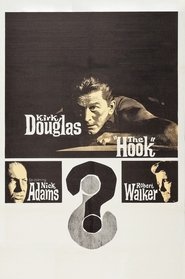
The Hook
1963
star 6.1Three soldiers in Korea go through inner torment when they're ordered to execute an enemy soldier.The Shortest Day
1963
The Shortest Day
1963
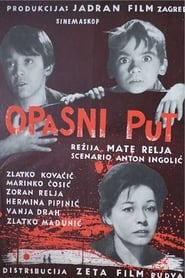
star 6.2Two jerks are enlisted in the Italian army during W.W.1 and by pure luck manage to help win an important battle.The Dangerous Journey
1963
star 5.5In the last days of WW2 two children from former Yugoslavia manage to escape a Nazi concentration camp. They begin a long and dangerous journey home.Stalingrad
1963
Stalingrad
1963
The story of the Battle of Stalingrad from the perspective of a Panzer commander and an officer in a penal battalion.Ballad of a Hussar
1963
Ballad of a Hussar
1963
star 7A young girl decides to join a Hussar squadron and fight against Napoleon. Dressed as a man, she proves herself an excellent, even heroic soldier, but complications ensue when her real identity is revealed.Outpost in Indo-china
1963
star 6.3A refugee crisis in Vietnam occurs which complicates an French army captain's primary mission of securing a fort.Shinsengumi Chronicles
1963
star 6.5As winds of change sweep Japan, an honest man joins the Shinsengumi out of admiration for its leader, and because he wants to live and die as a samurai. However, as his involvement grows, reality and idealism come into deadly conflict.Attack Squadron
1963
Attack Squadron
1963
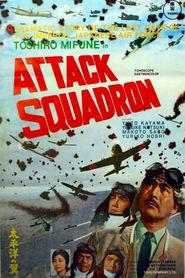
star 6Lt. Col. Senda resists the idea of sending Japanese fighter pilots on suicide missions. He believes that what is really necessary for Japan to regain momentum in the war is for the air force to gather its most brilliant pilots into an elite squadron and use the unit to pinpoint attacks on the Americans. Disrespected by the kamikaze pilots who think the "non-suicidal" pilots are afraid, the unit redeems itself by stunning victories. But success leads the military leaders to expect too much of the unit, and new orders portend disaster.A People on the March
1963
star 6.5In 1962, René Vautier, together with some Algerian friends, organised the audio-visual formation centre Ben Aknoun to encourage a "dialogue in images" between the two factions. Together with his students he made a film that shows the history of the Algerian War and of the ALN (National Liberation Army), and life during the reconstruction.Blaze of Glory
1963
Spy Brothers
1963
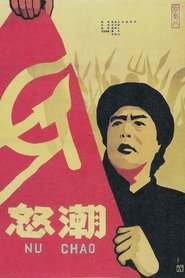
Nu chao
1963
Le Serment
1963
Le Serment
1963
star 10The Oath, a TV film produced by Algerian television in 1963 following the end of the war of independence, tells the story of young Algerians who joined the resistance after the bloody repressions of May 1945 in Constantinois by the French colonial army .Pistolet typu "Walter P-38"
1963
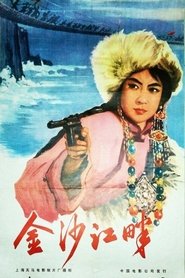
The People's Guard unit takes a pistol from a German soldier. It is then used as a training weapon and in actions against the occupant.Along The Jinsha River
1963
In 1936, the Long March of the Red Army passed through the Tibetan area by the Jinsha River. The Kuomintang colluded with the great local tyrant Qiu Wanli in an attempt to prevent the Red Army from crossing the river north. Qiu Wanli asks his minions to pretend to be the Red Army and rob the chieftain Sangge's only daughter Zhuma to provoke the relationship between the chieftain and the Red Army. The Red Army adhered to the party's ethnic policy, rescued Zhuma, and crossed the Jinsha River to the border of Tibetan areas. Qiu again sneaked into the Tibetan area. He said that Zhuma had been killed by the Red Army and provided ammunition and weapons for the chieftain to fight the Red Army. In order to expose the enemy's rumors, the Red Army instructor Jin Ming took a squad to escort Zhuma home.