New Western Movies - Page 122
All Services
Free Services
 Netflix
 Amazon Prime Video
 Apple iTunes
 Apple TV Plus
 Disney Plus
 Google Play Movies
 Paramount Plus
 Hulu
Hulu
 HBO Max
 YouTube
 fuboTV
 Peacock
 Peacock Premium
 Amazon Video
 The Roku Channel
 AMC+
AMC on Demand
AMC+
AMC on Demand
 Kocowa
 Hoopla
 The CW
 Vudu
Vudu
 Starz
Starz
 Showtime
 PBS
PBS
 Pantaflix
 FXNow
FXNow
 Tubi TV
 Kanopy
 Comedy Central
 Crunchyroll
 Microsoft Store
 Redbox
 Sun Nxt
 ABC
ABC
 DIRECTV
 Crackle
 Fandor
 Plex
Plex
Netflix
Amazon Prime Video
Apple iTunes
Apple TV Plus
Disney Plus
Google Play Movies
Paramount Plus
Hulu
HBO Max
YouTube
fuboTV
Peacock
Peacock Premium
Amazon Video
The Roku Channel
AMC+
AMC on Demand
Kocowa
Hoopla
The CW
Vudu
Starz
Showtime
PBS
Pantaflix
FXNow
Tubi TV
Kanopy
Comedy Central
Crunchyroll
Microsoft Store
Redbox
Sun Nxt
ABC
DIRECTV
Crackle
Fandor
Plex

Madam Dilâ
1977
Madam Dilâ
1977
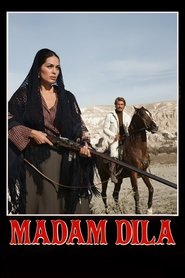
star 7.1Madam Dila is the grieving widow of a recently deceased Ağa (feudal landowner) who is hell-bent on wreaking revenge on Rıza, the man who murdered her husband. She sends her men to kill him and then ironically, saves his life because she doesn’t know it’s him.El moro de Cumpas
1977
El moro de Cumpas
1977
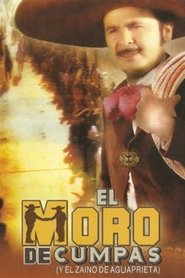
star 7.6In the city of Aguaprieta, two horses are part of the largest event in the region. The unbeatable horse Moro from the city of Cumpas faces the imposing Zaino de Aguaprieta. Two in a decided race in just 450 rods.Kit Carson and the Mountain Men
1977
The legendary frontiersman and hero of boyhood paperbacks joins forces with Captain John Fremont as chief scout on a secret expedition to Mexico. The disobedient Randy tries to rejoin his friends but only succeeds in putting them all in jeopardy.Chance/Trail of the Apache
1977
star 10A renegade Englishman known as “The White Apache” tangles with brutal scalp hunters who fear no man! Gripping Western adventure!Mission to Glory: A True Story
1977
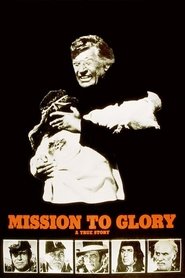
star 5Father Kino , a 17th-century Jesuit missionary, dedicated his life to helping Native Americans in the Southwest by teaching them agricultural skills as well as building missions and spreading Christianity. An explorer, astronomer and map maker, Father Kino surmounted numerous challenges as he journeyed through California, Arizona and Mexico.Longitud de Guerra
1976
Longitud de Guerra
1976
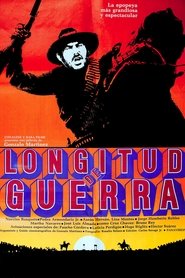
star 5.5Based on the novel Tomochic by Heriberto Frías; tells the story of the rebellion of the inhabitants of the village of Tomochi, Chihuahua, against the government of Porfirio Diaz in 1891. Mexico's submission for the Academy Award for Best Foreign Language Film in 1976.Young Pioneers' Christmas
1976
star 5.6A young couple and their neighbors celebrate Christmas in 1874 on the Dakota prairie. Despite tragedy and an ongoing battle with the railway company, Christmas is a homespun and overly sentimental affair.Baker's Hawk
1976
Baker's Hawk
1976
star 6.2When a young boy nurses an injured hawk back to health, he gains newfound courage and confidence on his own.Apache Woman
1976
Apache Woman
1976
star 4.2Tommy is an innocent cavalry officer who falls in love with a beautiful Apache woman after rescuing her from a nasty gun smuggler named Honest Jeremy. When Jeremy and his gang find Tommy, gruesome violence ensues.Guardian of the Wilderness
1976
star 5.7In 1861, miner Galen Clark learns he has consumption and decides to travel west in his final months. During the journey, he meets naturalist John Muir, who encourages him to live. Along with Native American Teneiya, Galen builds a cabin and settles with his daughter Kathleen. When loggers threaten to destroy their community and the forest, Galen joins forces with Muir and Teneiya to advocate for the area's preservation as Yosemite Park.Joshua
1976
Joshua
1976
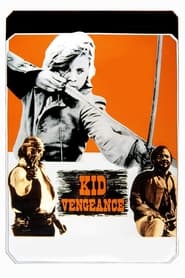
star 4.4A black soldier returns from fighting for the Union in the Civil War only to find out that his mother has been murdered by a gang of white thugs. He becomes a bounty hunter, determined to track down and kill the men who killed his mother.Kid Vengeance
1976
Kid Vengeance
1976
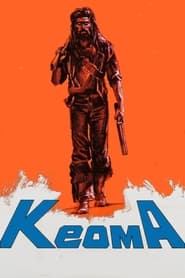
star 5.1Tom, a teenager, teams with a black gunfighter named Isaac to avenge his family.Keoma
1976
Keoma
1976
star 6.9Half-breed Keoma returns to his border hometown after service in the Civil War and finds it under the control of Caldwell, an ex-Confederate raider, and his vicious gang of thugs. To make matters worse, Keoma's three half-brothers have joined forces with Caldwell, and make it painfully clear that his return is an unwelcome one. Determined to break Caldwell and his brothers' grip on the town, Keoma partners with his father's former ranch hand to exact violent revenge.Liza’s Pioneer Diary
1976
Liza’s Pioneer Diary
1976
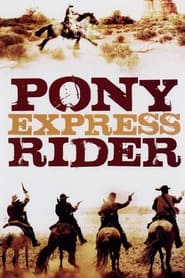
The story of a gentle, unsure young woman who grows in maturity and self-reliance as she travels across the American plains in 1848 in a wagon train with her young husband and his family.Pony Express Rider
1976
Pony Express Rider
1976
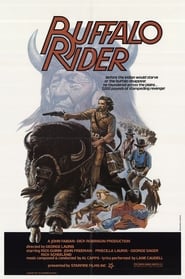
star 5A young Texas Man who saw his father get killed by a group of bandits, decides years later to go to work for the Pony Express. But he is not just working around the country to deliver mail, he is actually finding the bandits who murdered his father.Buffalo Rider
1976
Buffalo Rider
1976
star 2.5Jake Jones rescues a young bison in the 1800s, and becomes known as the folk hero Buffalo Jones as he rides Samson through many exploits.Wanted: The Sundance Woman
1976
star 6.4Katharine Ross repeats her portrayal of Etta Place (from "Butch Cassidy and the Sundance Kid") in this adventure of the fugitive who, alone and desperate following the deaths of Butch and Sundance, seeks help from Pancho Villa in exchange for guns and ammunition.The Captive: The Longest Drive 2
1976
star 1During a Cavalry massacre at an Indian village, two brothers, searching for their captured sister, rescue a white woman long ago kidnapped by the Cheyenne. They ride for their lives, haunted by the chant of the tribal Death Song.Juan Armenta, the repatriated
1976
star 5.7Juan returns home to Mexico after working in the USA for awhile, and gets caught up in cowboy problems among his townsfolk.The Wind Is Whistling Under Their Feet
1976
star 6.9György Szomjas’s first feature—made after a decade of short documentaries—is a bold attempt at a goulash western, set on the puszta, or Great Hungarian Plain, in 1837. Mixing Miklós Jancsó imagery and a Sergio Leone narrative, this ballad-like saga opens with image of a lone horseman on the empty plain, riding past a rude gallows. The film concerns the vengeful return of a legendary betyár (outlaw), briefly a hero to the local herdsmen who oppose the state building a canal across their grazing land. Although Szomjas works from ethnographic records and archival material, it is hardly surprising that this violent, primitivist film would be more popular with Hungarian audiences than critics. Replete with young guns, crooked sheriffs, tavern brawlers and hardbitten plug-uglies, this widescreen film is strikingly shot by Elémer Ragályi (cinematographer for most of Gyula Gazdag’s films)—a feast of loamy, autumnal colors.