New History Movies on Amazon Prime Video - Page 24
All Services
Free Services
 Netflix
 Amazon Prime Video
 Apple iTunes
 Apple TV Plus
 Disney Plus
 Google Play Movies
 Paramount Plus
 Hulu
Hulu
 HBO Max
 YouTube
 fuboTV
 Peacock
 Peacock Premium
 Amazon Video
 The Roku Channel
 AMC+
AMC on Demand
AMC+
AMC on Demand
 Kocowa
 Hoopla
 The CW
 Vudu
Vudu
 Starz
Starz
 Showtime
 PBS
PBS
 Pantaflix
 FXNow
FXNow
 Tubi TV
 Kanopy
 Comedy Central
 Crunchyroll
 Microsoft Store
 Redbox
 Sun Nxt
 ABC
ABC
 DIRECTV
 Crackle
 Fandor
 Plex
Plex
Netflix
Amazon Prime Video
Apple iTunes
Apple TV Plus
Disney Plus
Google Play Movies
Paramount Plus
Hulu
HBO Max
YouTube
fuboTV
Peacock
Peacock Premium
Amazon Video
The Roku Channel
AMC+
AMC on Demand
Kocowa
Hoopla
The CW
Vudu
Starz
Showtime
PBS
Pantaflix
FXNow
Tubi TV
Kanopy
Comedy Central
Crunchyroll
Microsoft Store
Redbox
Sun Nxt
ABC
DIRECTV
Crackle
Fandor
Plex

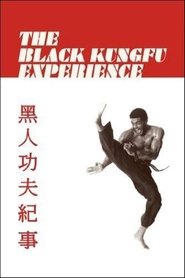
The Black Kung Fu Experience
2012
star 4.8This film focuses on how a group of African American pioneers became respected masters in a subculture dominated by Chinese and white men.Made in Mexico
2012
Made in Mexico
2012
star 6.3From Diego Luna and Alejandro Fernandez, to Carla Morrison and Chavela Vargas, Duncan Bridgeman weaves a cinematic tapestry composed of original songs and insights from the most iconic artists and performers of contemporary Mexico. With striking visuals, the movie captures the rich diversity of Mexican geography, art, music, and culture. It is a rare look at the country's real identity, and an unparalleled celebration of what it truly means to be "Hecho en Mexico."Kon-Tiki
2012
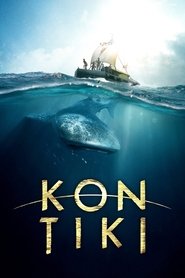
Kon-Tiki
2012
star 6.9The true story about legendary explorer Thor Heyerdahl and his epic crossing of the Pacific on a balsa wood raft in 1947, in an effort to prove it was possible for South Americans to settle in Polynesia in pre-Columbian times.God Loves Caviar
2012
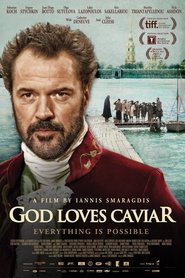
God Loves Caviar
2012
star 5.4The true-life, stranger-than-fiction tale of eighteenth-century Greek pirate turned merchant Ioannis Varvakis, who rose from humble beginnings to become the head of one of the largest mercantile empires in Europe.Kinderblock 66: Return to Buchenwald
2012
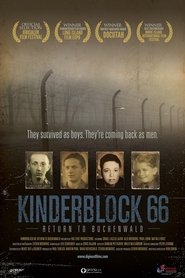
Kinderblock 66 is the story of four men who, as young boys, were imprisoned by the Nazis in the notorious Buchenwald concentration camp and who, sixty-five years later, return to commemorate the sixty-fifth anniversary of their liberation. The film tells the story of the effort undertaken by the camp's Communist-led underground to protect ad save Jewish children who were arriving in Buchenwald toward the end of the Holocaust. Kinderblock 66 also tells the story of Antonin Kalina, the head of the block who was personally responsible for saving 904 boys in Buchenwald.Siege
2012
Siege
2012
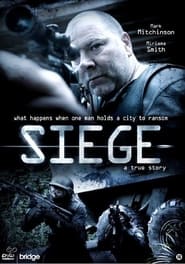
star 4.8On the 7th of May 2009, Senior Constables Len Snee, Grant Diver and Bruce Miller arrived at 41 Chaucer Rd in Napier to serve a search warrant on Jan Molenaar for the growing of cannabis. This was just a routine warrant, something they had done countless times. What was meant to be an ordinary procedure turned into three of New Zealand’s darkest days and ended with one police officer dead, two officers critically injured and a member of the public fighting for his life. In some fifty hours Jan Molenaar made a permanent and devastating imprint upon the national psyche of New Zealand as he changed the lives of individuals, families, a police community, and a city. The siege was one of the worst and unexpected cases of violence both Napier and New Zealand had witnessed and it was all the more shocking because of its ordinary suburban backdrop.Outlaws - For Greater Glory
2012
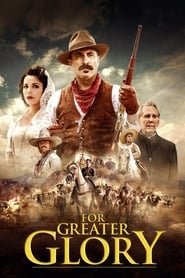
star 6.8A chronicle of the Cristeros War (1926-1929), which was touched off by a rebellion against the Mexican government's attempt to secularize the country.Genghis: The Legend of the Ten
2012
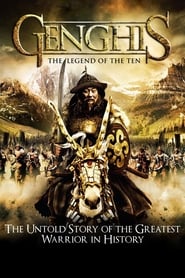
star 5.4A little known fact is that Chinggis Khaan, better known as Genghis Khan, would collect orphans from his bloody battlefields and have his own mother raise them. These adopted brothers grew up to become his most loyal officials and advisers. Khaan organised his Mongol soldiers into groups according to the decimal system. Soldiers were arranged in units of 10 ("aravt"), 100 ("zuut"), 1,000 ("minghan") and 10,000 ("tumen"). Each unit had an appointed leader reporting to a larger unit. A 10-person "aravt" unit is ordered by Khaan to locate a skilled doctor who lives in a forest. En route, they discover an abandoned baby. He is in fact the child of an enemy warrior who gives pursuit, even though they have saved the child's life. Whilst protecting the child from attacks from enemy soldiers, the members of the "aravt" must also complete their mission. Through their actions, they demonstrate the benevolence and bravery of Mongol warriors as the final battle closes in.The Confidant
2012
The Confidant
2012
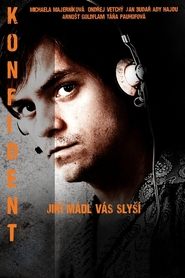
star 5.4New husband Adam reluctantly takes a job with state security in a totalitarian country, thus becoming a secret police agent. This "contract with the devil" helps secure a flat for the happy couple, as well as a prosperous future. However, he soon finds out that he too is under surveillance.SOS: The Titanic Inquiry
2012
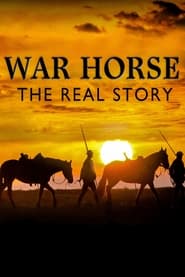
star 6.4The true story of the official Inquiry into the Titanic disaster. Was a ship called The Californian close enough to have saved them?War Horse: The Real Story
2012
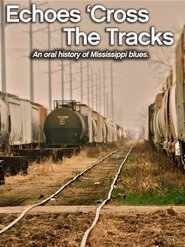
star 7.4The truth about the million British horses that served in World War I is even more epic than Steven Spielberg’s War Horse feature film. This documentary tells their extraordinary, moving story, begining with the mass call-up of horses from every farm and country estate in the land. Racing commentator Brough Scott tells the tale of his aristocratic grandfather General Jack Seely and his beloved horse Warrior, who would become the most famous horse of the war. The British Army hoped its illustrious cavalry regiments would win a swift victory, but it would be years before they enjoyed their moment of glory. Instead, in a new era of mechanised trench warfare, the heavy horses transporting guns, ammunition and food to the front-line troops were most important. A quarter of a million of these horses died from shrapnel wounds and disease. But the deep bond that developed between man and horse helped both survive the hell of the Somme and Passchendaele.Echoes 'Cross the Tracks
2012
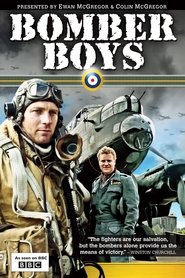
star 6A powerful documentary starring Morgan Freeman about the genesis of The Blues in the South and the music spreading around the world. Morgan Freeman shares his story of his experience of growing up in Clarksdale, Mississippi and his love for the Blues.Bomber Boys
2012
Bomber Boys
2012
star 8Brothers Colin and Ewan McGregor follow up their documentary The Battle of Britain with a film exploring Bomber Command, a rarely told story from the Second World War. The film focuses primarily on the men who fought and died in the skies above occupied Europe, with numerous examples of individual heroism and extraordinary collective spirit, and Colin learns to fly the key aircraft of the campaign: the Lancaster bomber. But this is also the story of a controversy that has lasted almost 70 years. The program covers six years of wartime operations, and traces the obstacles and challenges that were overcome as the RAF developed and deployed the awesome fighting force that was Bomber Command.Operation Sussex
2012
Operation Sussex
2012
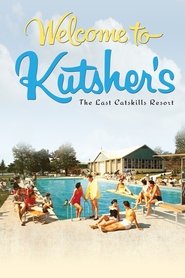
star 6A documentary about the infiltration by parachute drop of Free French by the OSS on the eve of D-Day.Welcome to Kutsher's: The Last Catskills Resort
2012
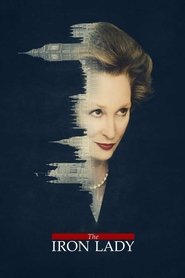
star 5.3Kutsher's Country Club is the last surviving Jewish resort in the Catskills. One of the legendary Borscht Belt hotels during its heyday, Kutsher's has been family-owned and operated for over 100 years. Exploring the full Dirty Dancing-era Catskills experience-- and how it changed American pop culture in the comedy, sports and vacation industries-- this documentary captures a last glimpse of a lost world as it disappears before our eyes.The Iron Lady
2011
The Iron Lady
2011
star 6.4A look at the life of Margaret Thatcher, the former Prime Minister of the United Kingdom, with a focus on the price she paid for power.The Many Lovers of Miss Jane Austen
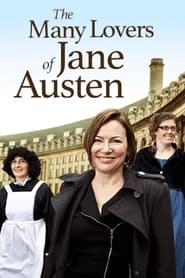
2011
A historian and professor Amanda Vickery explores why Jane Austen's books have been popular for nearly 200 years.My Way
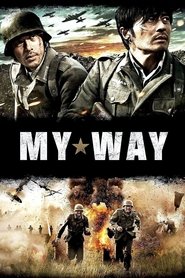
2011
My Way
2011
star 7.9During the invasion of Normandy the photograph of a slim Korean man in German uniform was found. It transpired that the man had served as a soldier in the Japanese, Russian and German armies. His incredible story inspired director Kang Je-Gyu to create this epic war drama.The Epic History of Everyday Things
2011
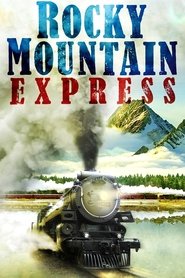
Everything around us has a story to tell. Shoes, cans, string, mirrors; everything we see and touch has an epic tale of how it came to be invented or discovered, and the dramatic moments throughout history at which it played an important role. But few of us know these stories. We go through our days blissfully ignorant of the deadly and dangerous road brave men traveled in order to bring coffee to the world, or the pivotal part beer played in the civilizing of mankind. These stories and many more are brought vividly to life in this two-hour special, which follows one man on a journey through the last day of his life, examining and recounting the epic tales of the everyday items he encounters before his ignorance of their stories leads him to his ultimate doom.Rocky Mountain Express
2011
star 6.3A history of the nation's first transcontinental railway accompanies a steam-train ride through the Canadian Rockies.