New History Movies on Amazon Video - Page 57
All Services
Free Services
 Netflix
 Amazon Prime Video
 Apple iTunes
 Apple TV Plus
 Disney Plus
 Google Play Movies
 Paramount Plus
 Hulu
Hulu
 HBO Max
 YouTube
 fuboTV
 Peacock
 Peacock Premium
 Amazon Video
 The Roku Channel
 AMC+
AMC on Demand
AMC+
AMC on Demand
 Kocowa
 Hoopla
 The CW
 Vudu
Vudu
 Starz
Starz
 Showtime
 PBS
PBS
 Pantaflix
 FXNow
FXNow
 Tubi TV
 Kanopy
 Comedy Central
 Crunchyroll
 Microsoft Store
 Redbox
 Sun Nxt
 ABC
ABC
 DIRECTV
 Crackle
 Fandor
 Plex
Plex
Netflix
Amazon Prime Video
Apple iTunes
Apple TV Plus
Disney Plus
Google Play Movies
Paramount Plus
Hulu
HBO Max
YouTube
fuboTV
Peacock
Peacock Premium
Amazon Video
The Roku Channel
AMC+
AMC on Demand
Kocowa
Hoopla
The CW
Vudu
Starz
Showtime
PBS
Pantaflix
FXNow
Tubi TV
Kanopy
Comedy Central
Crunchyroll
Microsoft Store
Redbox
Sun Nxt
ABC
DIRECTV
Crackle
Fandor
Plex

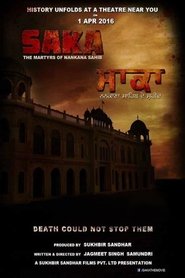
Saka - The Martyrs of Nankana Sahib
2016
A film based on the 1921 Nankana Sahib massacre and the events that led up to it.Finding Altamira
2016
Finding Altamira
2016
star 5.8The story of nine-year old Maria and her father Marcelino who, in 1879, found the first pre-historic cave paintings at the now world famous Altamira cave.The Hero
2016
The Hero
2016
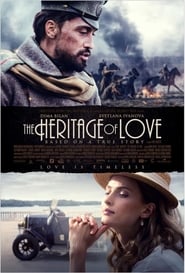
star 5Andrey Kulikov goes to Paris to visit the grave of his great-grandfather, Andrey Dolmatov, who had been an officer in the White Army during the Russian Revolution. On the headstone of the grave next to his great-grandfather's, he notices the face of a young woman. Later, while walking through Paris, Andrey sees a woman, Vera, who looks just like the young woman he had seen on the headstone. And so begins the telling of two love stories, separated by three generations and one hundred years.I, Olga Hepnarova
2016
I, Olga Hepnarova
2016
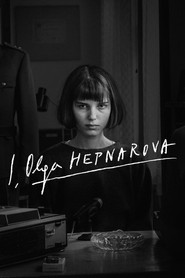
star 6.7Olga is a complex young woman desperate to break free from her unfeeling family and social conventions. With her Louise Brooks-like tomboyish looks she drags herself, chain-smoking, from one job to another until she appears to find her niche as a truck driver. Although she has female lovers she does not form a bond with any of them; instead she clashes, time and again, venting herself in wordless emotional outbursts and other behavioural extremes.I Am The Blues
2016
I Am The Blues
2016
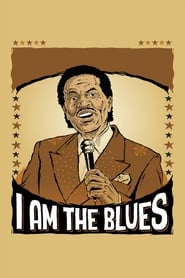
star 6A musical journey through the swamps of the Louisiana Bayou, the juke joints of the Mississippi Delta and Moonshine soaked BBQs in the North Mississippi Hill Country. Visiting the last original blues devils, many in their 80's, still living in the deep south, working without management and touring the Chitlin' Circuit. Let Bobby Rush, Barbara Lynn, Henry Gray, Carol Fran, Lazy Lester, Bilbo Walker, RL Boyce, Jimmy 'Duck' Holmes, Lil Buck Sinegal, LC Ulmer and their friends awaken the blues in all of us.The Liberators
2016
The Liberators
2016
star 5.6Medieval art treasures seized by the Nazis go missing at the end of World War II. Were they destroyed in the chaos of the final battles? Or were these thousand-year-old masterpieces stolen by advancing American troops? For over forty years, the mystery remained unsolved. A true detective story, "The Liberators" follows a dogged German art detective through the New York art world and military archives to the unlikeliest of destinations: a small town on the Texas prairie. Featuring interviews with Willi Korte (Portrait of Wally) and Texas attorney Dick DeGuerin, the film raises intriguing questions as to the motivations of the art thief and the whereabouts of the items that, to this day,The Load
2016
The Load
2016
star 6.9Late sixteenth century. A Tameme Indian man and a noble Spanish woman flee through the forests of the New World in search of freedom. Their frantic journey softens the tension between them and dissolves their longstanding differences and creates intimate bonds that threaten their very survival.The Book of Genesis
2016
The Book of Genesis
2016
star 7Based on the first book of the Bible, Genesis is a sweeping and poetic look at the beginning of man's relationship with God. While Jochebed (Venus Monique) hides in a shelter to protect her son from being murdered, she tells him the story of her people over the course of a dangerous night. This film explores the idea that mankind will one day return to the place where we started, but that the journey will be filled with hardship, beauty, and a desperate need to trust the Creator.The North Star
2016
The North Star
2016
star 5The North Star is the story of Benjamin 'Big Ben' Jones and Moses Hopkins, two slaves who escaped from a Virginia plantation and made their way to freedom in Buckingham, Pennsylvania in 1849. Big Ben's 6'10" size and a record bounty for his safe return make him the focus of every slave hunter on the east coast. Their journey exposes them to danger and cruelty; however it also exposes them to the unexpected kindness of the people involved in the Underground Railroad. These experiences will change Ben and Moses forever. Upon reaching the relative safety of Mt. Gilead Church on Buckingham Mountain, Ben and Moses get to experience life as free men and cross paths with historical figures such as Frederick Douglass, Harriet Tubman, Joshua and Jonathan Fell. Their freedom also allows them to experience heroism, romance and treachery. Written by LuckPig StudiosChurchill's Secret
2016
Churchill's Secret
2016
star 6.3British Prime Minister Winston Churchill suffers from a stroke in the summer of 1953 that's kept a secret from the rest of the world.The Last Man on the Moon
2016
star 6.6The 1960s was an extraordinary time for the United States. Unburdened by post-war reparations, Americans were preoccupied with other developments like NASA, the game-changing space programme that put Neil Armstrong on the moon. Yet it was astronauts like Eugene Cernan who paved the uneven, perilous path to lunar exploration. A test pilot who lived to court danger, he was recruited along with 14 other men in a secretive process that saw them become the closest of friends and adversaries. In this intensely competitive environment, Cernan was one of only three men who was sent twice to the moon, with his second trip also being NASA’s final lunar mission. As he looks back at what he loved and lost during the eight years in Houston, an incomparably eventful life emerges into view. Director Mark Craig crafts a quietly epic biography that combines the rare insight of the surviving former astronauts with archival footage and otherworldly moonscapes.Eddie the Eagle
2016
Eddie the Eagle
2016
star 7.2The feel-good story of Michael 'Eddie' Edwards, an unlikely but courageous British ski-jumper who never stopped believing in himself—even as an entire nation was counting him out. With the help of a rebellious and charismatic coach, Eddie takes on the establishment and wins the hearts of sports fans around the world by making an improbable and historic showing at the 1988 Calgary Winter Olympics.Spirits' Homecoming
2016
Spirits' Homecoming
2016
star 7.1After the Japanese kidnap two Korean teenagers and take them to a comfort station to join other girls who are serving as sex slaves, only one of them survives. Decades later, the elderly woman tries to reunite with her friend's spirit.Race
2016
Race
2016
star 7.3Based on the story of Jesse Owens, the athlete whose quest to become the greatest track and field athlete in history thrusts him onto the world stage of the 1936 Olympics, where he faces off against Adolf Hitler's vision of Aryan supremacy.Gramsci 44
2016
Gramsci 44
2016
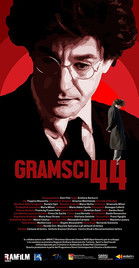
star 5Between 1926 and 1927, the Italian intellectual and Communist political figure Antonio Gramsci spent 44 days imprisoned on the island of Ustica, off the northern coast of Sicily. Together with his fellow prisoners, he founded a school. This unique institution was open to all, welcoming people of all ages and social backgrounds, even the illiterate. Ustica still remembers this revolutionary school. Ustica, remote and neglected, still waits patiently at the harbor, hoping that the boat from the mainland will come.Risen
2016
Risen
2016
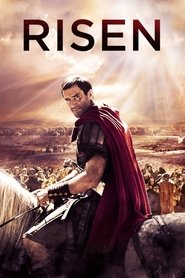
star 6.3Clavius, a powerful Roman military tribune, and his aide, Lucius, are tasked with solving the mystery of what happened to Jesus in the weeks following the crucifixion, in order to disprove the rumors of a risen Messiah and prevent an uprising in Jerusalem.NOVA: Iceman Reborn
2016
NOVA: Iceman Reborn
2016
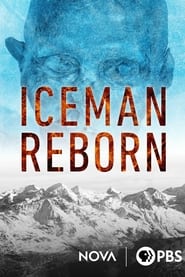
star 7.7Murdered more than 5,000 years ago, Otzi the Iceman is the oldest human mummy on Earth. Now, newly discovered evidence sheds light not only on this mysterious ancient man, but on the dawn of civilization in Europe.Dongju: The Portrait of a Poet
2016
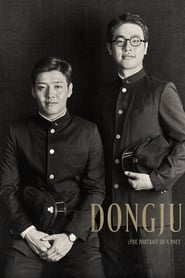
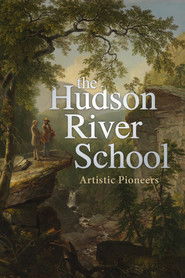
star 7.8Based on a true story, renowned Korean poet, Yun Dong-ju, is detained and abused by the Japanese for participating in the Korean Independence Movement.The Hudson River School: Artistic Pioneers
2016
In the vicinity of New York's Hudson River Valley, a group of American painters led by British born artist Thomas Cole forged an artistic vision of the wilderness. This was the first American school of landscape painting. Men with the names of Cole, Durand, Cropsey, Bierstadt, and Church would impress the world with their creative brilliance and wondrous vision. On canvas they would bring to life 19th century America.The Last King
2016
The Last King
2016
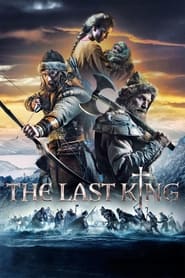
star 5.7Norway, 1204. A civil war between the birkebeiners —the king's men— and the baglers —supporters of the Norwegian aristocracy and the Church— ravages the country. Two men must protect a baby, the illegitimate son of King Håkon, who will be the future king and peacemaker, from those who want to kill him.