New Movies on Fandor - Page 18
All Services
Free Services
 Netflix
 Amazon Prime Video
 Apple iTunes
 Apple TV Plus
 Disney Plus
 Google Play Movies
 Paramount Plus
 Hulu
Hulu
 HBO Max
 YouTube
 fuboTV
 Peacock
 Peacock Premium
 Amazon Video
 The Roku Channel
 AMC+
AMC on Demand
AMC+
AMC on Demand
 Kocowa
 Hoopla
 The CW
 Vudu
Vudu
 Starz
Starz
 Showtime
 PBS
PBS
 Pantaflix
 FXNow
FXNow
 Tubi TV
 Kanopy
 Comedy Central
 Crunchyroll
 Microsoft Store
 Redbox
 Sun Nxt
 ABC
ABC
 DIRECTV
 Crackle
 Fandor
 Plex
Plex
Netflix
Amazon Prime Video
Apple iTunes
Apple TV Plus
Disney Plus
Google Play Movies
Paramount Plus
Hulu
HBO Max
YouTube
fuboTV
Peacock
Peacock Premium
Amazon Video
The Roku Channel
AMC+
AMC on Demand
Kocowa
Hoopla
The CW
Vudu
Starz
Showtime
PBS
Pantaflix
FXNow
Tubi TV
Kanopy
Comedy Central
Crunchyroll
Microsoft Store
Redbox
Sun Nxt
ABC
DIRECTV
Crackle
Fandor
Plex

One Missed Call 3: Final
2006
star 5.7The timid, young Asuka is bullied by her classmates. When they embark on a class field trip to Korea, Asuka plans revenge by sending them a cursed phone message they can either pass on or die.Another Gay Movie
2006
Another Gay Movie
2006
star 6In the dirtiest, funniest, most scandalous gay-teen-sex-comedy-parody ever, four young gay friends make a pact to lose their virginity by the end of the summer. The boys soon face giant sex toys, naked celebrities, masochistic teachers and an uncontrollable romance with a quiche.Air Guitar Nation
2006
Air Guitar Nation
2006
star 6.2If your bedroom has become too small a stage for your air guitar antics, take inspiration from the competitors featured here as they battle their way from the inaugural U.S. Air Guitar Championship to the world championship in Oulu, Finland. Along the way, filmmaker Alexandra Lipsitz documents the fierce rivalries that develop as would-be rock legends vie for top honors in technical accuracy, stage presence and "airness."Fireworks Wednesday
2006
Fireworks Wednesday
2006
star 7.4Rouhi, a young bride-to-be, is hired as a maid for an affluent family in Tehran. Upon arriving, she is suddenly thrust into an explosive domestic conflict. The wife is convinced her husband is having an affair and enlists Rouhi as a spy, to follow her husband, and confirm her suspicions. What Rouhi discovers, however, threatens not only their marriage but her own future.Gotta Serve Somebody: The Gospel Songs of Bob Dylan
2006
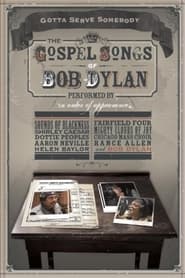
In 2003 an all-star cast of gospel singers took Bob Dylan's gospel compositions and created a GRAMMY-nominated album. Now Gotta Serve Somebody: The Gospel Songs of Bob Dylan features roof-raising performances by these spirited artists while documenting the making of the album of the same name, interweaving bracing reinterpretations with interviews of these celebrated gospel artists. It also presents commentary by musicians including Jim Keltner, Spooner Oldham, Fred Tackett, and Regina McCrary, who recorded and performed with Bob Dylan during his gospel period. Legendary record producer Jerry Wexler and respected music journalists Paul Williams and Alan Light also offer insights on this fascinating body of workThe Guatemalan Handshake
2006
star 4.9A mysterious power failure in a small mountain town coincides with the disappearance of one of its most eccentric young residents. Mystery piles upon mystery as his family and friends search for him, fail, and ultimately try to forget about him, an undertaking that results in many unexpected, and in some cases bizarre, effects on the town's already peculiar community.States of UnBelonging
2006
The core of this haunting meditation on war, land, the Bible, and filmmaking is a portrait of Revital Ohayon, an Israeli filmmaker and mother killed near the West Bank. Director Lynne Sachs creates a film on the violence of the Middle East by exchanging letters with an Israeli friend. Together, they reveal Revital's story through her films, news reports, and interviews, culminating in heartbreaking footage of children discussing the violence they've witnessed. Without taking sides or casting blame, the film becomes a cine-essay on fear and filmmaking, tragedy and transformation, violence and the land of Israel/Palestine.Noa, Noa
2006
Noa, Noa
2006
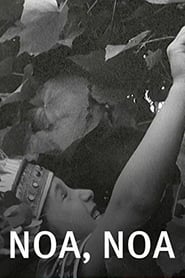
Over the course of three years, Lynne Sachs collaborated with her daughter Noa (from 5 to 8 years old), criss-crossing the wooded landscapes of Brooklyn with camera and costumes in hand. Noa’s grand finale is her own rendition of the bluegrass classic “Crawdad Song”.Atalanta: 32 Years Later
2006
A retelling of the age-old fairy tale of the beautiful princess in search of the perfect prince. In 1974, Marlo Thomas’ hip, liberal celebrity gang created a feminist version of the children’s parable for mainstream TV’s “Free to Be You and Me”. Now in 2006, Sachs dreamed up this new experimental film reworking, an homage to girl/girl romance.The Small Ones
2006
The Small Ones
2006
During World War II, the United States Army hired Lynne Sachs’ cousin, Sandor Lenard, to reconstruct the bones, small and large, of dead American soldiers. This short anti-war cine-poem is composed of highly abstracted battle imagery and children at a birthday party.Tideland
2005
Tideland
2005
star 6.5Because of the actions of her irresponsible parents, a young girl is left alone on a decrepit country estate and survives inside her fantastic imagination.The Wild Blue Yonder
2005
The Wild Blue Yonder
2005
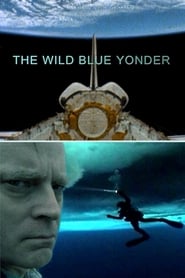
star 6An alien narrates the story of his dying planet, his and his people's visitations to Earth and Earth's self-made demise, while human astronauts in space are attempting to find an alternate planet for surviving humans to live on.William Eggleston in the Real World
2005
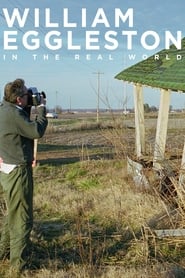
star 6.4Documentary about William Eggleston, a famous modern American photographer.Commune
2005
Commune
2005
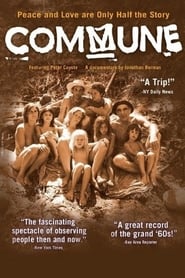
star 5.6In 1968, Elsa and Richard Marley founded an alternative-living community, named Black Bear, in the remote Northern California wilderness with the motto "Free Land for Free People." This film tells the story of that intended utopia. Through archival footage and interviews with former residents, director Jonathan Berman explores the problems and realities of communal living and the evolution of a community that endured FBI harassment, cult leadership and more.Derailroaded
2005
Derailroaded
2005
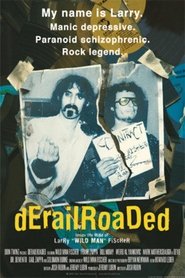
star 7.6A documentary on the life and music of manic-depressive, paranoid-schizophrenic cult music icon Wild Man Fischer.One Missed Call 2
2005
One Missed Call 2
2005
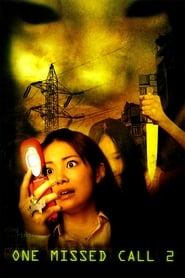
star 6.1A Japanese restaurant cook/owner dies after answering his daughter's cellphone. Other people are getting strange, same ringtone calls as well and dying painfully. It happened in Taiwan as well. Can the police stop it if it's a ghost?Machuca
2004
Machuca
2004
star 7.8Santiago, capital of Chile during the Marxist government of elected, highly controversial president Salvador Allende. Father McEnroe supports his leftist views by introducing a program at the prestigious "collegio" (Catholic prep school) St. Patrick to allow free admission of some proletarian kids. One of them is Pedro Machuca, slum-raised son of the cleaning lady in Gonzalo Infante's liberal-bourgeois home. Yet the new classmates become buddies, paradoxically protesting together as Gonzalo gets adopted by Pedro's slum family and gang. But the adults spoil that too, not in the least when general Pinochet's coup ousts Allende, and supporters such as McEnroe.All the Ships at Sea
2004
All the Ships at Sea
2004
star 5.4Evelyn Bell, a Catholic professor of theology, and her younger sister Virginia are reunited after many years when Virginia returns home in a depression after being ejected from a religious cult. At a lakeside retreat in Northeastern Pennsylvania, the sisters try to reestablish their relationship, talking about their very different systems of belief, and about the oppressive childhood that still hangs over them.Purgatory House
2003
Purgatory House
2003
star 6.2An inside glimpse of how it feels to be a teen in today's disconnected world. PURGATORY HOUSE chronicles the after-life journey of Silver Strand: a lonely teen who abandons her life of turmoil and drug addiction, only to find herself caught somewhere between heaven and hell. There, she must choose whether she will accept her drab existence or discover within herself the power to change.