New History Movies on Free Services - Page 43
All Services
Free Services
 Netflix
 Amazon Prime Video
 Apple iTunes
 Apple TV Plus
 Disney Plus
 Google Play Movies
 Paramount Plus
 Hulu
Hulu
 HBO Max
 YouTube
 fuboTV
 Peacock
 Peacock Premium
 Amazon Video
 The Roku Channel
 AMC+
AMC on Demand
AMC+
AMC on Demand
 Kocowa
 Hoopla
 The CW
 Vudu
Vudu
 Starz
Starz
 Showtime
 PBS
PBS
 Pantaflix
 FXNow
FXNow
 Tubi TV
 Kanopy
 Comedy Central
 Crunchyroll
 Microsoft Store
 Redbox
 Sun Nxt
 ABC
ABC
 DIRECTV
 Crackle
 Fandor
 Plex
Plex
Netflix
Amazon Prime Video
Apple iTunes
Apple TV Plus
Disney Plus
Google Play Movies
Paramount Plus
Hulu
HBO Max
YouTube
fuboTV
Peacock
Peacock Premium
Amazon Video
The Roku Channel
AMC+
AMC on Demand
Kocowa
Hoopla
The CW
Vudu
Starz
Showtime
PBS
Pantaflix
FXNow
Tubi TV
Kanopy
Comedy Central
Crunchyroll
Microsoft Store
Redbox
Sun Nxt
ABC
DIRECTV
Crackle
Fandor
Plex

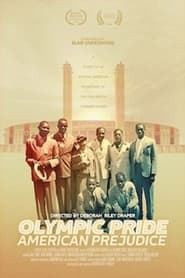
Olympic Pride, American Prejudice
2016
star 7In 1936, 18 African American athletes dubbed the "black auxiliary" by Hitler defied Nazi Aryan Supremacy and Jim Crow Racism to win hearts and medals at the 1936 Summer Olympic Games in Berlin. The world remembers Jesse Owens. But, Olympic Pride American Prejudice shows how all 18 are a seminal precursor to the modern Civil Rights Movement.The Last Princess
2016
The Last Princess
2016
star 6.7Under the oppressive Japanese colonial rule, Deok-hye, the last Princess of the declining Joseon Dynasty, is forced to move to Japan. She spends her days missing home, while struggling to maintain dignity as a princess. After a series of failed tries, Deok-hye makes her final attempt to return home with help of her childhood sweetheart, Jang-han.Woman with an Editing Bench
2016
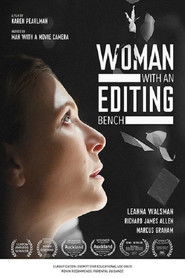
star 7Inspired by the woman who edited "Man with a Movie Camera" (1929), "Woman with an Editing Bench" reveals the personal impact of Stalin’s censorship of cinema on a woman navigating politics, bureaucracy and the impetuous outbursts of collaborators to create something beautiful despite the odds.Talking to the Air: The Horses of the Last Forbidden Kingdom
2016
star 8.7The world’s most magnificent horsemen face an unsure future in one of the planet’s last great equine cultures. The Tibetan Buddhist region of Mustang in the High Himalaya is the Last Forbidden Kingdom and their unique heritage and remarkable spiritual bond with the horse is under threat. In a land where a man’s wealth can still be measured in horses, death defying races are the colorful back-drop for this story of the ascent of civilization in the high Himalaya. With lush cinematography, and insightful intervieww, the film also recounts the little known story of the CIA’s covert operations in Mustang, and features rare archival footage of the Dalai Lama’s flight on horseback over the Himalaya. The scholarly and perceptive voices of Dr. Sienna Craig - author of "Horses Like Lightning" and Mikel Dunham, author of "Buddha's Warriors" turn this lens to issues of globalization, fragile border politics and the precarious future for Mustang’s distinctive equine culture.Sugar Fields
2016
Sugar Fields
2016
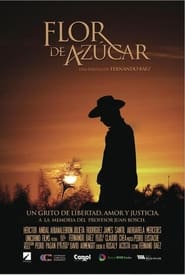
star 5.8A young peasant is forced to flee for killing involuntarily an abusive guard. After an entire year hiding in a remote fishing island, he decides to return to his countryside and reunite with his wife and daughters.Blackbird
2016
Blackbird
2016
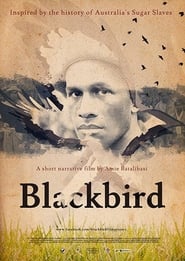
In the late 1800s, two Solomon Islander siblings, Kiko (16) and Rosa (24), were kidnapped from their Pacific island home and forced to work on a sugar cane plantation in Queensland. In a world where exploitation of Pacific Islanders for cheap labour is legislated and conditions for islanders are akin to slavery, Rosa struggles to keep an eye on her spirited young brother as he journeys into adulthood.Hitler's Olympics
2016
Hitler's Olympics
2016
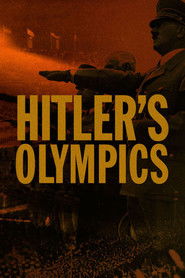
star 6.4Hitler, Nazi propaganda and 1936 Berlin Olympics are put under the microscope to uncover hidden truths and the historical legacy of those games.Carry Me Home: A Remember America Film
2016
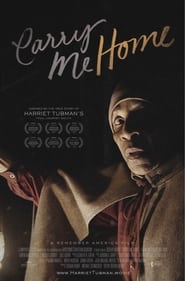
In the cold winter of 1860, a young mother trapped in slavery seizes the opportunity to escape with her family when she encounters HARRIET TUBMAN (Karen Abercrombie, War Room). Harriet leads the young family through a number of trials on the Underground Railroad, causing them all to question whether or not freedom is worth the price they must pay to obtain it.Manifest Destiny: The Lewis & Clark Musical Adventure
2016
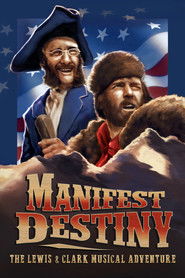
star 6.5Lewis and Clark blaze a trail to the western waters in this epic satire and spoof on American ego.The Lighthouse
2016
The Lighthouse
2016
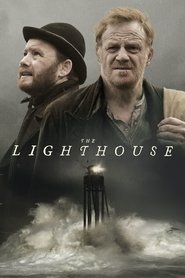
star 5.1Two lighthouse keepers clash, making their duties difficult even before a freak storms hits and strands them at the lighthouse for months. Based on a true story.Black Is the Color: African-American Artists and Segregation
2016
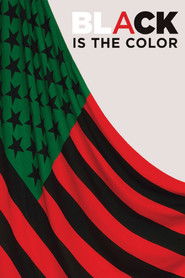
Black Is the Color highlights key moments in the history of Black visual art, from Edmonds Lewis’s 1867 sculpture Forever Free, to the work of contemporary artists such as Whitfield Lovell, Kerry James Marshall, Ellen Gallagher, and Jean-Michel Basquiat. Art historians and gallery owners place the works in context, setting them against the larger social contexts of Jim Crow, WWI, the civil rights movement and the racism of the Reagan era, while contemporary artists discuss individual works by their forerunners and their ongoing influence.Lou Andreas-Salomé, The Audacity to be Free
2016
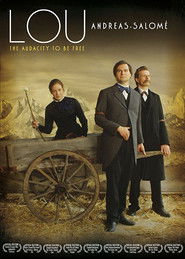
star 6.5Lou Andreas-Salomé, the woman who enraptured 19th century Europe’s greatest minds, recounts her life to Ernst Pfeiffer in this German film directed by Cordula Kablitz-Post. A published novelist, poet and essayist, Salomé’s desire to live a life free from convention scandalized society but spurred genius and passion in others, including Friedrich Nietzsche, Paul Rée and her lover, the poet Rainer Maria Rilke. Under the tutelage of Sigmund Freud, she became the first female psychoanalyst.Free State of Jones
2016
Free State of Jones
2016
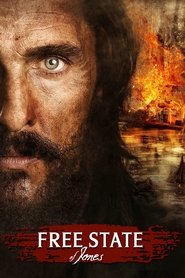
star 6.8In 1863, Mississippi farmer Newt Knight serves as a medic for the Confederate Army. Opposed to slavery, Knight would rather help the wounded than fight the Union. After his nephew dies in battle, Newt returns home to Jones County to safeguard his family but is soon branded an outlaw deserter. Forced to flee, he finds refuge with a group of runaway slaves hiding out in the swamps. Forging an alliance with the slaves and other farmers, Knight leads a rebellion that would forever change history.VHS Massacre: Cult Films and the Decline of Physical Media
2016
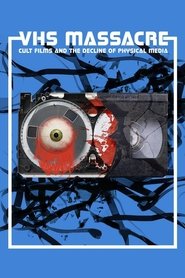
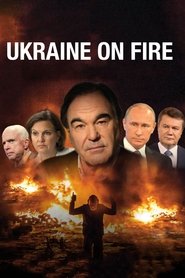
star 5.3This lively documentary explores the rise and fall of physical media from the origin of film all the way through the video store era into digital media, focusing on B-movie and cult films. With icons like Joe Bob Briggs (MonsterVision), Lloyd Kaufman (Toxic Avenger), Greg Sestero (The Room), Debbie Rochon (Return to Nuke 'Em High), Deborah Reed (Troll 2), Mark Frazer (Samurai Cop), James Nguyen (Birdemic) and many others.Ukraine on Fire
2016
Ukraine on Fire
2016
star 6A Russian-backed conspiracy film produced by Oliver Stone, framing the Euromaidan protests and the ouster of Viktor Yanukovych as a Western-engineered coup.Genius
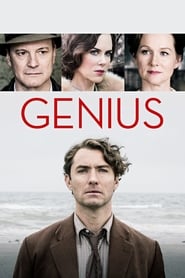
2016
Genius
2016
star 6.5New York in the 1920s. Max Perkins, a literary editor is the first to sign such subsequent literary greats as Ernest Hemingway and F. Scott Fitzgerald. When a sprawling, chaotic 1,000-page manuscript by an unknown writer falls into his hands, Perkins is convinced he has discovered a literary genius.Fanny's Journey
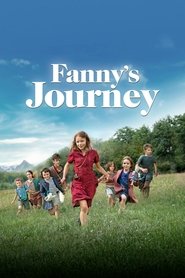
2016
Fanny's Journey
2016
star 7.2Fanny is a Jewish girl in a French orphanage in 1943. When she and her friends are no longer safe from the Nazis, they try to flee to Switzerland. After their guide disappears, Fanny has to take the lead and help the other kids make it over the mountains.Cinema Novo
2016
Cinema Novo
2016
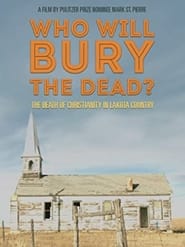
star 6.7A deep investigation, in the way of a poetic essay, on one of the main Latin American movements in cinema, analyzed via the thoughts of its main authors, who invented, in the early 1960s, a new way of making movies in Brazil, with a political attitude, always near to people's problems, that combined art and revolution.Who Will Burry The Dead?
2016
This documentary offers a deep, candid, and historical look at the Christian experience of America's largest and best-known tribes: the Dakota and Lakota. Its exploration into Native American history also takes a hard and detailed look at President Ulysses S. Grant's Peace Policy of 1873, which was, in effect, a "convert to Episcopalianism or starve" edict put forth by the American government in direct violation of its Constitution. The devastation it had on the values of the people affected were dramatic and extremely long-lasting. Grant's policy was finally ended over 100 years later by the Freedom of American Indian Religions Act in 1978. Interlaced with extraordinarily candid interviews, this documentary presents an insider's perspective of how the Dakota and Lakota were estranged from their religious beliefs and their long-standing traditions.Last Days in the Desert
2016
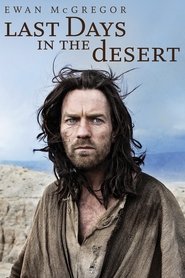
star 5.8On his way out of the wilderness, Jesus struggles with the Devil over the fate of a family in crisis, setting himself up for a dramatic test.