New History Movies on Free Services - Page 80
All Services
Free Services
 Netflix
 Amazon Prime Video
 Apple iTunes
 Apple TV Plus
 Disney Plus
 Google Play Movies
 Paramount Plus
 Hulu
Hulu
 HBO Max
 YouTube
 fuboTV
 Peacock
 Peacock Premium
 Amazon Video
 The Roku Channel
 AMC+
AMC on Demand
AMC+
AMC on Demand
 Kocowa
 Hoopla
 The CW
 Vudu
Vudu
 Starz
Starz
 Showtime
 PBS
PBS
 Pantaflix
 FXNow
FXNow
 Tubi TV
 Kanopy
 Comedy Central
 Crunchyroll
 Microsoft Store
 Redbox
 Sun Nxt
 ABC
ABC
 DIRECTV
 Crackle
 Fandor
 Plex
Plex
Netflix
Amazon Prime Video
Apple iTunes
Apple TV Plus
Disney Plus
Google Play Movies
Paramount Plus
Hulu
HBO Max
YouTube
fuboTV
Peacock
Peacock Premium
Amazon Video
The Roku Channel
AMC+
AMC on Demand
Kocowa
Hoopla
The CW
Vudu
Starz
Showtime
PBS
Pantaflix
FXNow
Tubi TV
Kanopy
Comedy Central
Crunchyroll
Microsoft Store
Redbox
Sun Nxt
ABC
DIRECTV
Crackle
Fandor
Plex

Moloch
1999
Moloch
1999
star 6.2In 1942 Bavaria, Eva is alone, when Adolf arrives with Josef, his wife Magda, and Martin to spend a couple of days without politics.The Passion of Ayn Rand
1999
star 4.9Author Ayn Rand becomes involved with a much younger and married man, to the dismay of those close to her.The Source
1999
The Source
1999
star 5.2Traces the Beats from Allen Ginsberg and Jack Kerouac's meeting in 1944 at Columbia University to the deaths of Ginsberg and William S. Burroughs in 1997. Three actors provide dramatic interpretations of the work of these three writers, and the film chronicles their friendships, their arrival into American consciousness, their travels, frequent parodies, Kerouac's death, and Ginsberg's politicization. Their movement connects with bebop, John Cage's music, abstract expressionism, and living theater. In recent interviews, Ginsberg, Burroughs, Kesey, Ferlinghetti, Mailer, Jerry Garcia, Tom Hayden, Gary Snyder, Ed Sanders, and others measure the Beats' meaning and impact.Erik H. Erikson: A Life's Work
1999
Narrated by Erikson's colleague, Margaret Brenman-Gibson, Ph.D. and Ruthie Mickles, Ph.D. Using archival materials and newly shot footage, this film introduces students to the rich wisdom of Erik H. Erikson. Best known for his identification of the eight stages of the life cycle, Erikson spent a lifetime observing and studying the way in which the interplay of genetics, cultural influences and unique experiences produces individual human lives. This film combines biographical information about Erikson with his theoretical proposals to give students an understanding of the relationship between the life experience of a theorist and the work that is produced.Rabbit in the Moon
1999
Rabbit in the Moon
1999
star 2Like many Japanese Americans released from WWII internment camps, the young Omori sisters did their best to erase the memories and scars of life under confinement. Fifty years later acclaimed filmmaker Emiko Omori asks her older sister and other detainees to reflect on the personal and political consequences of internment. From the exuberant recollections of a typical teenager, to the simmering rage of citizens forced to sign loyalty oaths, Omori renders a poetic and illuminating picture of a deeply troubling chapter in American history.Zapatista
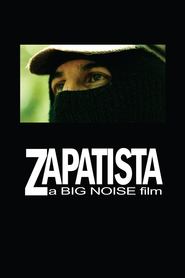
1999
Zapatista
1999
star 5.2"Zapatista" is the definitive look at the uprising in Chiapas. It is the story of a Mayan peasant rebellion armed with sticks and their word against a first world military. It is the story of a global movement that has fought 175,000 federal troops to a stand still and transformed Mexican and international political culture forever.Frenchman's Creek
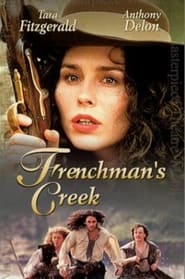
1998
Frenchman's Creek
1998
star 5Seeking to escape the stifling London court society, the beautiful headstrong Lady Dona St. Columb flees to her family estate on the Cornish coast. Her new freedom swiftly brings her into contact with the dashingly handsome French privateer Jean Aubrey who sweeps her off her feet and into a world of adventure on the high seas very different from her dull and boring life at court with her husband Sir Harry. Together with Jean Aubrey and her enigmatic servant William, Lady Dona conceives a daring plan to steal a ship right from under the noses of the English authorities. The theft enrages the authorities who make every effort to trap the French Pirate. However, as the noose begins to tighten around the lovers, Lady Dona is faced with the dilemma of duty and children with Sir Harry or freedom and excitement with Jean AubreyShakespeare in Love
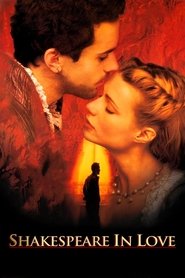
1998
Shakespeare in Love
1998
star 6.8Young William Shakespeare is forced to stage his latest comedy, 'Romeo and Ethel, the Pirate's Daughter', before it's even written. When lovely noblewoman Viola de Lesseps auditions for a role, they fall into forbidden love — and Shakespeare's play finds a new life (and title). As their relationship intensifies, the comedy soon transforms into tragedy.Legionnaire
1998
Legionnaire
1998
star 5.8Alain Lefevre is a boxer paid by a Marseille mobster to take a dive. When he wins the fight he attempts to flee to America with the mobster's girlfriend Katrina. This plan fails and he seeks escape by joining the foreign legion. As part of the legion he tangles with abusive lieutenant Steinkampf and bonds with legionnaires Luther, Mackintosh and Rosetti.Earth
1998
Earth
1998
star 6.5It's 1947 and the borderlines between India and Pakistan are being drawn. A young girl bears witnesses to tragedy as her ayah is caught between the love of two men and the rising tide of political and religious violence.Beefcake
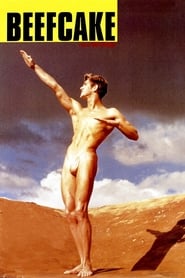
1998
Beefcake
1998
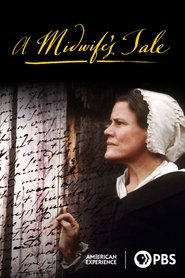
star 5.1A look at the 1950s muscle men's magazines and the representative industry which were popular supposedly as health and fitness magazines, but were in reality primarily being purchased by the still-underground homosexual community. Chief among the purveyors of this literature was Bob Mizer, who maintained a magazine and developed sexually inexplicit men's films for over 40 years. Aided by his mother, the two maintained a stable of not so innocent studs.A Midwife's Tale
1998
A Midwife's Tale
1998
star 7.8To understand eighteenth-century America through a woman's eyes, historian and author Laurel Thatcher Ulrich spent eight years working through Martha Ballard's massive but cryptic diary. "A Midwife's Tale" chronicles the interwoven stories of two remarkable women: an eighteenth-century midwife and healer and the twentieth-century historian who brought her words to light.Amistad
1997
Amistad
1997
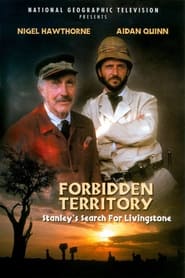
star 7In 1839, the slave ship Amistad set sail from Cuba to America. During the long trip, Cinque leads the slaves in an unprecedented uprising. They are then held prisoner in Connecticut, and their release becomes the subject of heated debate. Freed slave Theodore Joadson wants Cinque and the others exonerated and recruits property lawyer Roger Baldwin to help his case. Eventually, John Quincy Adams also becomes an ally.Forbidden Territory: Stanley's Search for Livingstone
1997
star 6British explorer Henry Stanley travels to Africa in 1871 seeking missionary David Livingstone.Bent
1997
Bent
1997
star 6.8Max is a handsome young man who, after a fateful tryst with a German soldier, is forced to run for his life. Eventually Max is placed in a concentration camp where he pretends to be Jewish because in the eyes of the Nazis, gays are the lowest form of human being. But it takes a relationship with an openly gay prisoner to teach Max that without the love of another, life is not worth living.The Silver Screen: Color Me Lavender
1997
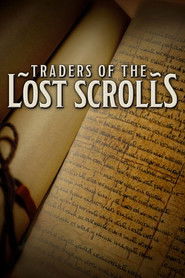
star 4.9A film scrapbook, images, phrases from our past, hiding their meanings behind veils. Let's lift those veils, one by one, to find how images, at one time seeming innocent, have revealed, after decades, to have homosexual overtones.Traders of the Lost Scrolls
1997
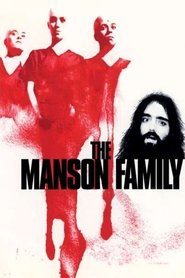
Jim Charlesworth, director of Princeton University's Dead Sea Scrolls Project believes that a large number of scrolls have yet to come to light. The programme is about his quest to track them down, an undertaking not without risks. The cliffs of Qumran still attract scroll hunters with non-academic motives - the scrolls are much sought after by private collectors and the shady figures of the black market who supply them.The Manson Family
1997
The Manson Family
1997
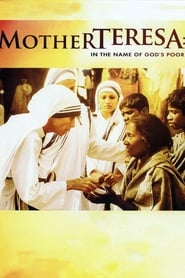
star 5.3A dramatization of the horrific and notorious Manson Family Murders, in the form of super 8 home movies.Mother Teresa: In the Name of God's Poor
1997
star 4.2Calcutta, 1946. Violence rages in India. Sister Teresa teaches at a convent, but is haunted by the faces of the starving, the poor and the homeless; the faces of those less fortunate than her. With only her faith in God, she leaves the convent to live in the slums and care for the poor. An surprisingly, even one of the most revered, selfless heroes questioned her purpose.The Long Way Home
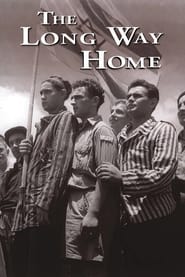
1997
The Long Way Home
1997
star 7.1The story of the post World War II Jewish refugee situation from liberation to the establishment of the modern state of Israel.