New History Movies on Free Services - Page 85
All Services
Free Services
 Netflix
 Amazon Prime Video
 Apple iTunes
 Apple TV Plus
 Disney Plus
 Google Play Movies
 Paramount Plus
 Hulu
Hulu
 HBO Max
 YouTube
 fuboTV
 Peacock
 Peacock Premium
 Amazon Video
 The Roku Channel
 AMC+
AMC on Demand
AMC+
AMC on Demand
 Kocowa
 Hoopla
 The CW
 Vudu
Vudu
 Starz
Starz
 Showtime
 PBS
PBS
 Pantaflix
 FXNow
FXNow
 Tubi TV
 Kanopy
 Comedy Central
 Crunchyroll
 Microsoft Store
 Redbox
 Sun Nxt
 ABC
ABC
 DIRECTV
 Crackle
 Fandor
 Plex
Plex
Netflix
Amazon Prime Video
Apple iTunes
Apple TV Plus
Disney Plus
Google Play Movies
Paramount Plus
Hulu
HBO Max
YouTube
fuboTV
Peacock
Peacock Premium
Amazon Video
The Roku Channel
AMC+
AMC on Demand
Kocowa
Hoopla
The CW
Vudu
Starz
Showtime
PBS
Pantaflix
FXNow
Tubi TV
Kanopy
Comedy Central
Crunchyroll
Microsoft Store
Redbox
Sun Nxt
ABC
DIRECTV
Crackle
Fandor
Plex

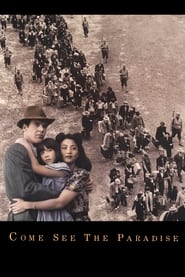
Come See the Paradise
1990
star 6.2In this drama from director Alan Parker, on-the-lam Jack McGurn flees to Los Angeles and takes a job as a projectionist at a movie theater owned by a Japanese-American man. Jack falls for the owner's daughter, Lily, but they are forced to elope to Seattle when her father forbids the relationship. The couple marry and have a daughter, but when World War II breaks out, Jack is powerless to stop his new family's forced internment.I, the Worst of All
1990
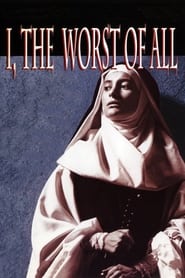
I, the Worst of All
1990
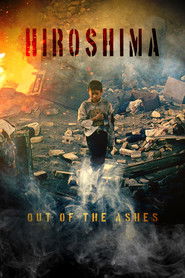
star 5.7Assumpta Serna stars as the brilliant and beautiful poet Sister Juana Inés de la Cruz in this magnificent portrayal of 17th Century Mexico. In order to pursue her love of writing, Juana enters the convent and gains international renown. When the Inquisition comes, the local Vicereine becomes Juana's protectress and erotic muse, and soon begins a thrilling romance of startling passion and intensity.Hiroshima: Out of the Ashes
1990
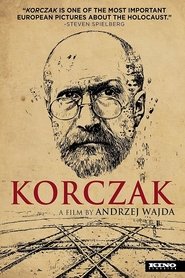
star 5.8The movie follows the perspective of several characters (such as Japanese victims, soldiers, American prisoners of war and others) and how they lived or tried to survive the effects felt during the aftermath of the Atomic Bomb dropping by the Enola Gay at Hiroshima, during World War II.Korczak
1990
Korczak
1990
star 7The story of Polish pedagogue Janusz Korczak and his dedication to protecting Jewish orphans during the war.Wrestling with God
1990
Wrestling with God
1990
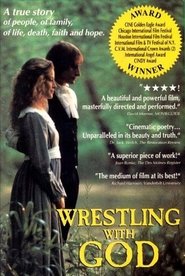
Wrestling with God is the true story of Alexander Campbell, a man whose conscience came into conflict with the accepted religious precepts of his time, and the struggle and resentment he endured as a result.Ryoma Sakamoto: Samurai Gunslinger
1989
After more than 200 years of Isolation, Japan is ready for a modern samurai who isn't afraid to use guns and embrace the outside world.Common Threads: Stories from the Quilt
1989
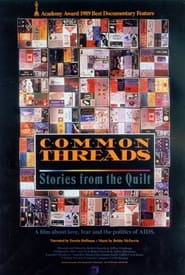
star 6.9On the eve of 1987's Second National March on Washington for Lesbian and Gay Rights, surviving families and friends of people who have died of AIDS prepare panels to be added to a large-scale memorial quilt project. Drawing from the sea of names memorialized, director Robert Epstein focuses on the lives of six people. Alongside the intimate profiles offered, through news footage and interviews, Epstein puts the AIDS crisis in the larger context of social and government response to the disease.The Final Days
1989
The Final Days
1989
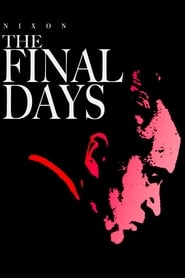
star 6.8The Final Days concerns itself with the final months of the Richard Nixon presidency.Ida B. Wells: A Passion for Justice
1989
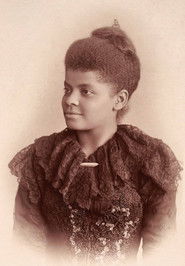
Ida B. Wells: A Passion for Justice documents the dramatic life and turbulent times of the pioneering African American journalist, activist, suffragist and anti-lynching crusader of the post-Reconstruction period. Nobel Prize-winning author Toni Morrison reads selections from Wells' memoirs and other writings in this winner of more than 20 film festival awards.Fat Man and Little Boy
1989
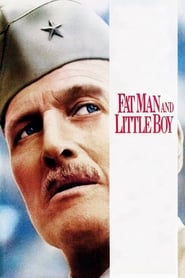
star 6.2Assigned to oversee the development of the atomic bomb, Gen. Leslie Groves is a stern military man determined to have the project go according to plan. He selects J. Robert Oppenheimer as the key scientist on the top-secret operation, but the two men clash fiercely on a number of issues. Despite their frequent conflicts, Groves and Oppenheimer ultimately push ahead with two bomb designs — the bigger "Fat Man" and the more streamlined "Little Boy."Part One: China in Revolution 1911–1949
1989
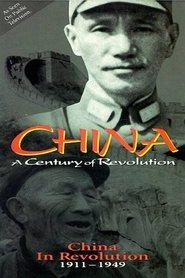
star 8The first film, China in Revolution, describes the epic upheaval that began in China with the fall of the last emperor in 1911. Over the next four decades, the Chinese people were caught up in struggles with warlords, foreign invasion and a bitter rivalry between the Chinese Communist Party and the Nationalist Party. The film highlights the two figures who came to shape events, Chang Kai-shek and Mao Zedong. First they worked as allies to unite the country and then they fought a bloody civil war that was won by the Communists in 1949.High Fidelity: The Adventures of the Guarneri String Quartet
1989
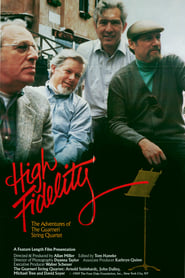
Relationships, rehearsals, performances, hobbies, and family life of the members of the Guarneri String Quartet.The Ascent of Chimborazo
1989
star 3.8The life of Alexander von Humboldt up to his attempt to climb the Chimborazo in 1802.Romero
1989
Romero
1989
star 7Romero is a compelling and deeply moving look at the life of Archbishop Oscar Romero of El Salvador, who made the ultimate sacrifice in a passionate stand against social injustice and oppression in his county. This film chronicles the transformation of Romero from an apolitical, complacent priest to a committed leader of the Salvadoran people.Black Rain
1989
Black Rain
1989
star 7.5Shigematsu Shizuma, who lives with his family in a village near Fukuyama, was in Hiroshima with his wife and niece just after the devastating atomic bombing, a tragedy that cruelly took the lives of thousands of people and forever marked the harsh existence of the survivors.Countdown to War
1989
Countdown to War
1989
star 5Based on a play, the story details the dramatic negotiations between UK, France, Poland, Nazi-Germany and USSR from the day Czechoslovakia fell, until Britain's declaration of war on Germany caused by Hitler's invasion of Poland.Surname Viêt Given Name Nam
1989
star 5.2The film evolves around questions of identity, popular memory and culture. While focusing on aspects of Vietnamese reality as seen through the lives and history of women resistance in Vietnam and in the U.S, it raises questions on the politics of interviewing and documenting.Francesco
1989
Francesco
1989
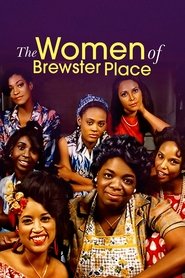
star 6.5The life of St. Francis of Assisi (1181-1226) as related by followers who gather after his death to tell stories so that Leone can record them: a privileged and virile youth, a prisoner of war, an heir who turns away from his father and gives all to the poor, a beggar for others, and an inspiration to friends who accept the Gospels' life of poverty.The Women of Brewster Place
1989
star 6.6A multigenerational story of the lives of several black women who call an inner-city tenement home.The Congress
1989
The Congress
1989
star 7.8For 200 years, the United States Congress has been one of the country's most important and least understood institutions. In this elegant, thoughtful and often touching portrait, Ken Burns explores the history and promise of this unique American institution. Using historical photographs and newsreels, evocative live footage and interviews with David Broder, Alistair Cooke, Cokie Roberts, Charles McDowell and others, the award-winning film chronicles the personalities, events and issues that have animated the first 200 years of Congress and, in turn, our country.