New Music Movies on Free Services - Page 94
All Services
Free Services
 Netflix
 Amazon Prime Video
 Apple iTunes
 Apple TV Plus
 Disney Plus
 Google Play Movies
 Paramount Plus
 Hulu
Hulu
 HBO Max
 YouTube
 fuboTV
 Peacock
 Peacock Premium
 Amazon Video
 The Roku Channel
 AMC+
AMC on Demand
AMC+
AMC on Demand
 Kocowa
 Hoopla
 The CW
 Vudu
Vudu
 Starz
Starz
 Showtime
 PBS
PBS
 Pantaflix
 FXNow
FXNow
 Tubi TV
 Kanopy
 Comedy Central
 Crunchyroll
 Microsoft Store
 Redbox
 Sun Nxt
 ABC
ABC
 DIRECTV
 Crackle
 Fandor
 Plex
Plex
Netflix
Amazon Prime Video
Apple iTunes
Apple TV Plus
Disney Plus
Google Play Movies
Paramount Plus
Hulu
HBO Max
YouTube
fuboTV
Peacock
Peacock Premium
Amazon Video
The Roku Channel
AMC+
AMC on Demand
Kocowa
Hoopla
The CW
Vudu
Starz
Showtime
PBS
Pantaflix
FXNow
Tubi TV
Kanopy
Comedy Central
Crunchyroll
Microsoft Store
Redbox
Sun Nxt
ABC
DIRECTV
Crackle
Fandor
Plex

Black Wax
1983
Black Wax
1983
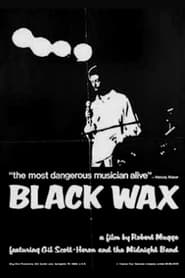
Gil Scott-Heron, one of rap's earliest (and unfortunately unknown) pioneers, gets his full due in Black Wax, the 1982 documentary recently reissued on video. Interspliced between performance footage of Scott-Heron and his Midnight Band are vignettes of him walking around Washington D.C., spouting his views on then-President Reagan (dubbed "Ray-Gun") and generally dropping knowledge. The live performance features many of Scott-Heron's best-known hits, including "Johannesburg," "Winter in America," and "Angel Dust," among others. Warm, intelligent, and insightful throughout, Scott-Heron is clearly enjoying himself and the opportunity to espouse his views. A must for any fan of Scott-Heron's, and definitely worth a look for fans of the funkier jazz music of the mid to late 1970's.Philip Glass: Satyagraha
1983
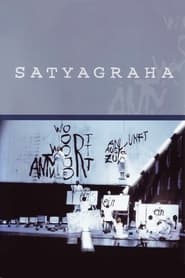
star 10This luminous, visionary opera tells the story of how Mahatma Gandhi developed the philosophy of satyagraha, nonviolent active resistance, as a political revolutionary tool to fight oppression, connecting his lifework to three historical figures who advanced his philosophy: the celebrated Russian writer Leo Tolstoy, the great Indian poet and philosopher Rabindranath Tagore and the heroic American civil rights leader Martin Luther King. The libretto is comprised of passages from “The Bhagavad-Gita,” India’s greatest philosophical epic, and perfectly complements Glass’ ravishing score, mysteriously transporting the audience with a serene power and an all-encompassing sense of peace.The Gold Diggers
1983
The Gold Diggers
1983
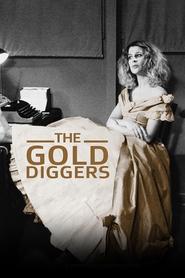
star 5.3An avant-garde examination of the relationship between women and money in society. Mixing musical, silent melodrama, and philosophical treatise into a post-punk, heady brew.Art Pepper: Notes from a Jazz Survivor
1982
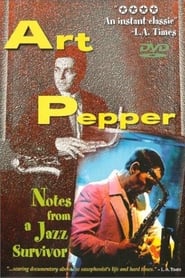
star 6Saxophonist Art Pepper (1925-1982) lived the kind of jazz life only found in Hollywood movies. His prodigious talent led him to top gigs as a teenager, but drugs and attendant criminal activity knocked him out of commission for virtually all of the 1960s and early 1970s. This documentary, shot shortly after his searing memoir, {-Straight Life}, was published in 1979, shows Pepper in the full flower of a remarkable comeback. His third wife, Laurie, is featured prominently; they met in the drug treatment facility Synanon in 1969 and were married in 1974. She took over his business affairs and helped him write {-Straight Life}. Pepper tells his own story here, but the emphasis is on an evening's performance at a club in Malibu, with the musician in fine form, backed by a terrific trio. (Tom Wiener, Rovi)Bix: Ain't None of Them Play Like Him Yet
1982
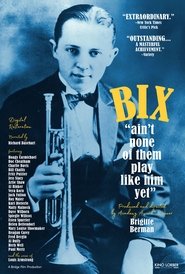
Through interviews, archival footage, photos and classic tunes, learn about the remarkable career and troubled life of legendary jazz cornetist Bix Beiderbecke, who influenced countless musicians before alcoholism lead to his premature death. Close friends and associates such as Hoagy Carmichael, Charlie David and Louis Armstrong share their memories of Bix's abilities, playing style and personality.Let's Spend the Night Together
1982
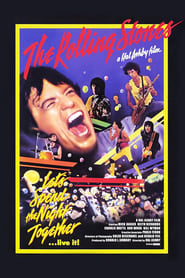
star 6The Rolling Stones' record-breaking 1981 North American arena tour documented by director Hal Ashby. Featuring the biggest Rolling Stones songs from the first 20 years - in the words of Mick Jagger, "a feel of what it's like to be there", as 20 cameras take you onstage with the band in this groundbreaking, dynamic tour.Here Comes Garfield
1982
Here Comes Garfield
1982
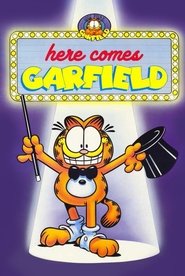
star 6.9The first TV special starring the rotund comic strip staple Garfield the Cat. Here, he and his dull-witted canine cohort Odie end up at the pound.Ladies and Gentlemen, the Fabulous Stains
1982
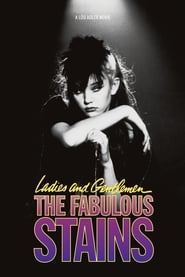
star 6.2Corrine Burns retreats far into plans for her band, The Fabulous Stains, after her mother's death.Camelot
1982
Camelot
1982
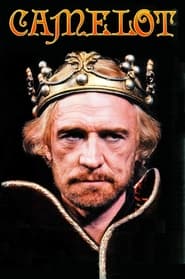
star 8Shot live from the Winter Garden Theatre in New York City, this presentation of the 1980 Broadway revival of the beloved Lerner & Loewe classic follows King Arthur, who founds the kingdom of Camelot and the Knights of the Round Table. Their goal: fight for justice and right, but Arthur only sees his ideal crumble when his wife Guenevere falls in love with his favorite knight, Sir Lancelot.Smithereens
1982
Smithereens
1982
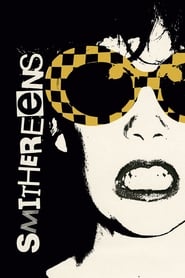
star 6.4A narcissistic runaway engages in a number of parasitic relationships amongst members of New York's waning punk scene.Wild Style
1982
Wild Style
1982
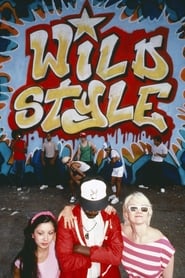
star 6Legendary New York graffiti artist Lee Quinones plays the part of Zoro, the city's hottest and most elusive graffiti writer. The actual story of the movie concerns the tension between Zoro's passion for his art and his personal life, particularly his strained relationship with fellow artist Rose.Grease 2
1982
Grease 2
1982
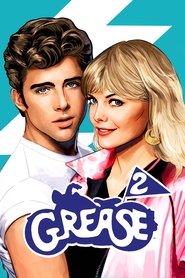
star 5.2It's 1961, two years after the original Grease gang graduated, and there's a new crop of seniors and new members of the coolest cliques on campus, the Pink Ladies and T-Birds. Michael Carrington is the new kid in school - but he's been branded a brainiac. Can he fix up an old motorcycle, don a leather jacket, avoid a rumble with the leader of the T-Birds, and win the heart of Pink Lady Stephanie?Starstruck
1982
Starstruck
1982
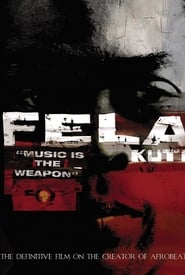
star 5.3A Sydney teen tries to make it as a rock singer, with help from her odd 14-year-old cousin.Fela Kuti: Music Is the Weapon
1982
star 6.2Musician Fela Anikulapo Kuti recorded more than 60 albums to promote the magic of Afrobeat but never lost his political voice as an outspoken critic against widespread government corruption in Nigeria. This documentary examines the role that Fela, dubbed "Black President," played in shedding light on atrocities in his homeland and in promoting the ascent of African music worldwide.Pennies from Heaven
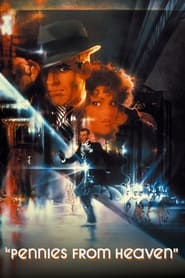
1981
Pennies from Heaven
1981
star 6During the Great Depression, a sheet music salesman seeks to escape his dreary life through popular music and a love affair with an innocent school teacher.Urgh! A Music War
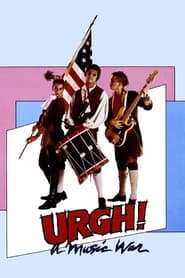
1981
Urgh! A Music War
1981
star 7.3Urgh! A Music War is a British film released in 1982 featuring performances by punk rock, new wave, and post-punk acts, filmed in 1980. Among the artists featured in the movie are Orchestral Manoeuvres in the Dark (OMD), Magazine, The Go-Go's, Toyah Willcox, The Fleshtones, Joan Jett & the Blackhearts, X, XTC, Devo, The Cramps, Oingo Boingo, Dead Kennedys, Gary Numan, Klaus Nomi, Wall of Voodoo, Pere Ubu, Steel Pulse, Surf Punks, 999, UB40, Echo & the Bunnymen and The Police. These were many of the most popular groups on the New Wave scene; in keeping with the spirit of the scene, the film also features several less famous acts, and one completely obscure group, Invisible Sex, in what appears to be their only public performance.Imagine the Sound
1981
Imagine the Sound
1981
star 6.6An examination, shown through both interviews and performances, of the avant-garde free jazz movement which reigned during the 1960s.The Decline of Western Civilization
1981
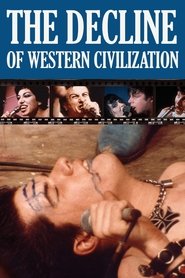
star 7.1The Los Angeles punk music scene circa 1980 is the focus of this film. With Alice Bag Band, Black Flag, Catholic Discipline, Circle Jerks, Fear, Germs, and X.This Is Elvis
1981
This Is Elvis
1981
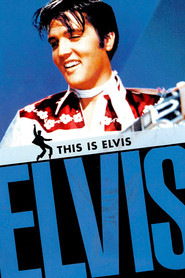
star 7Though several actors portray Elvis Presley at different stages of his life, this documentary is comprised mostly of actual performance footage and interviews with Elvis, his fans and those close to him. This biographical docu-drama features rare footage of Elvis and dramatically recreated scenes from Elvis' life.From Mao to Mozart: Isaac Stern in China
1981
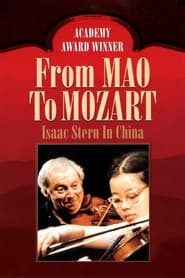
star 5.7A beautiful expression of two differing cultures brought together by the warmth and dedication of a great musician and humanitarian. In 1979, as China re-opened its doors to the West, virtuoso Isaac Stern received an unprecedented government invitation to tour the country. Preserved by the Academy Film Archive in 2000.