New History Movies on Hoopla - Page 21
All Services
Free Services
 Netflix
 Amazon Prime Video
 Apple iTunes
 Apple TV Plus
 Disney Plus
 Google Play Movies
 Paramount Plus
 Hulu
Hulu
 HBO Max
 YouTube
 fuboTV
 Peacock
 Peacock Premium
 Amazon Video
 The Roku Channel
 AMC+
AMC on Demand
AMC+
AMC on Demand
 Kocowa
 Hoopla
 The CW
 Vudu
Vudu
 Starz
Starz
 Showtime
 PBS
PBS
 Pantaflix
 FXNow
FXNow
 Tubi TV
 Kanopy
 Comedy Central
 Crunchyroll
 Microsoft Store
 Redbox
 Sun Nxt
 ABC
ABC
 DIRECTV
 Crackle
 Fandor
 Plex
Plex
Netflix
Amazon Prime Video
Apple iTunes
Apple TV Plus
Disney Plus
Google Play Movies
Paramount Plus
Hulu
HBO Max
YouTube
fuboTV
Peacock
Peacock Premium
Amazon Video
The Roku Channel
AMC+
AMC on Demand
Kocowa
Hoopla
The CW
Vudu
Starz
Showtime
PBS
Pantaflix
FXNow
Tubi TV
Kanopy
Comedy Central
Crunchyroll
Microsoft Store
Redbox
Sun Nxt
ABC
DIRECTV
Crackle
Fandor
Plex

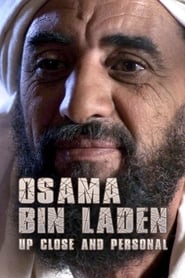
Osama Bin Laden: Up Close and Personal
2015
star 5.6Four years after a Navy SEAL team killed Osama Bin Laden in a raid on his compound, his correspondence sheds new light on his mindset and final years.Epitaph
2015
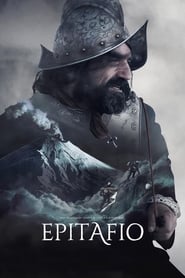
Epitaph
2015
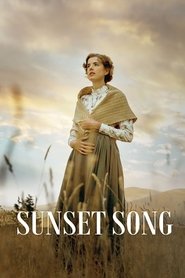
star 6.4Three Spanish conquistadors, Captain Diego de Ordaz, Gonzalo and Pedro, march to the summit of the great volcano Popocatepetl.Sunset Song
2015
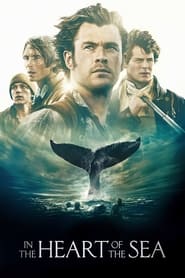
In the Heart of the Sea
2015
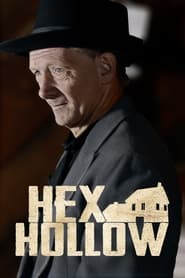
star 6.8In the winter of 1820, the New England whaling ship Essex is assaulted by something no one could believe—a whale of mammoth size and will, and an almost human sense of vengeance.Hex Hollow: Witchcraft and Murder in Pennsylvania
2015
star 5.5A documentary film investigating the 1928 murder of a Pennsylvania farmer and the allegations of witchcraft that shocked the nation.The Lost Arcade
2015
The Lost Arcade
2015
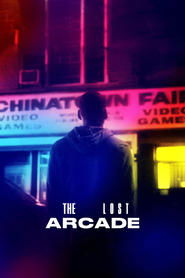
star 7Chinatown Fair opened as a penny arcade on Mott Street in 1944. Over the decades, the dimly lit gathering place, known for its tic-tac-toe playing chicken, became an institution, surviving turf wars between rival gangs, changing tastes and the explosive growth of home gaming systems like Xbox and Playstation that shuttered most other arcades in the city. But as the neighborhood gentrified, this haven for a diverse, unlikely community faced its strongest challenge, inspiring its biggest devotees to next-level greatness.Francofonia
2015
Francofonia
2015
star 6.6Master filmmaker Alexander Sokurov (Russian Ark) transforms a portrait of the world-renowned museum into a magisterial, centuries-spanning reflection on the relation between art, culture and power.Many Beautiful Things
2015
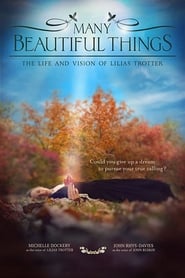
star 6In an age when women were incapable of joining the artistic dialogue, Lilias Trotter managed to win the favour of celebrated critics.Experimenter
2015
Experimenter
2015
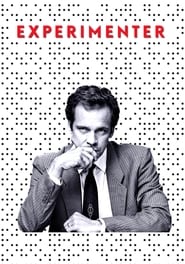
star 6.5Yale University, 1961. Stanley Milgram designs a psychology experiment that still resonates to this day, in which people think they’re delivering painful electric shocks to an affable stranger strapped into a chair in another room. Despite his pleads for mercy, the majority of subjects don’t stop the experiment, administering what they think is a near-fatal electric shock, simply because they’ve been told to do so. With Nazi Adolf Eichmann’s trial airing in living rooms across America, Milgram strikes a nerve in popular culture and the scientific community with his exploration into people’s tendency to comply with authority. Celebrated in some circles, he is also accused of being a deceptive, manipulative monster, but his wife Sasha stands by him through it all.Tower To The People
2015
Tower To The People
2015
star 6Nikola Tesla dreamed of sending free wireless energy from a mysterious tower and lab called Wardenclyffe. Deteriorating for decades, the remains of his great work were almost lost forever. Until a grateful world united to save them.Shout Gladi Gladi
2015
Shout Gladi Gladi
2015
star 5Shout Gladi Gladi is a documentary about hope. It tells the story of one woman's quest to cure fistula and save mother's lives in Africa. Shot in Malawi and Sierra Leone (just prior to the Ebola crisis) this is an intense portrait of the people suffering from fistula and the struggle of those who are not only trying to fix this condition but curtail it through better maternal health care. In addition, it is about women's empowerment, specifically through a radical device from BBOXX, a solar powered generator that provides the women not only with electricity in a region where there is none but also as a means to make money by charging cell phones.Boom Bust Boom
2015
Boom Bust Boom
2015
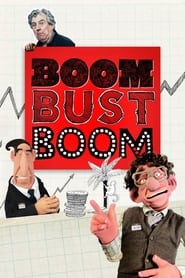
star 7.2Terry Jones presents Boom Bust Boom. The result of a meeting between writer, director, historian and Python Terry Jones and economics professor and entrepreneur Theo Kocken. Co-written by Jones and Kocken and featuring John Cusack, Nobel Prize winners Daniel Kahneman, Robert J Shiller and Paul Krugman, the film is part of a global movement to change the economic system through education to protect the world from boom and bust. A unique look at why economic crashes happen, Boom Bust Boom is a multimedia documentary combining live action with animation and puppetry to explain economics to everyone.Mangoré
2015
Mangoré
2015
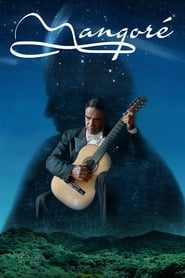
star 7.7The life and times of famed Paraguayan musician Agustín Pío Barrios, from the years of his youth to his international success.JFK & LBJ: A Time for Greatness
2015
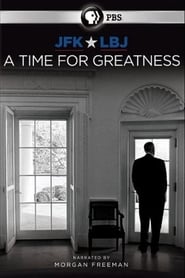
star 6How U.S. President Lyndon B. Johnson used his political prowess to make the Civil Rights Act of 1964 and the Voting Rights Act of 1965 happen. The story is told using rarely-seen footage, interviews and secret White House tapes.While They Watched
2015
While They Watched
2015
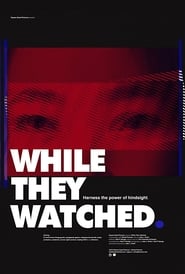
star 7.5Documentary about North Korea, set in the future after the regime has collapsed. Harnessing the power of hindsight the film questions the morality of the current inaction by regional and global powers towards the North Korean dictatorship.Best of Enemies
2015
Best of Enemies
2015
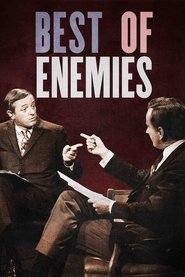
star 7.2A documentary about the legendary series of nationally televised debates in 1968 between two great public intellectuals, the liberal Gore Vidal and the conservative William F. Buckley Jr. Intended as commentary on the issues of their day, these vitriolic and explosive encounters came to define the modern era of public discourse in the media, marking the big bang moment of our contemporary media landscape when spectacle trumped content and argument replaced substance. Best of Enemies delves into the entangled biographies of these two great thinkers, and luxuriates in the language and the theater of their debates, begging the question, "What has television done to the way we discuss politics in our democracy today?"The Bomb
2015
The Bomb
2015
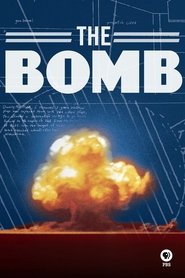
star 6.8Using masterfully restored footage from recently declassified images, The Bomb tells a powerful story of the most destructive invention in human history. From the earliest testing stages to its use as the ultimate chess piece in global politics, the program outlines how America developed the bomb, how it changed the world and how it continues to loom large in our lives. The show also includes interviews with prominent historians and government insiders, along with men and women who helped build the weapon piece by piece.Beavers: Patagonia invaders
2015
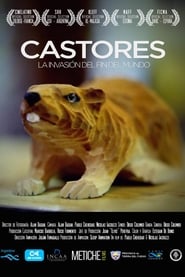
star 8.7In 1940 twenty Canadian Beavers were brought to 'Tierra del Fuego' island in southern Patagonia for commercial fur production. However, beavers having no natural predators, quickly spread throughout the island, causing massive destruction of trees threatening the entire Patagonian forests rivers and species. Why wildlife conservationist are convinced that 150.000 beavers must be killed? Why some of the most recognized specialist are convinced that an eradication is not possible? Meanwhile truism is capitalizing on the situation: a man dressed as a beaver passes out flyers promoting a famous sky resort: 'Cerro Castor' - Beaver Hill. Hunters claim for subsidies, scientists are researching, rangers do what they can and restaurants tray to offer beaver meat to tourist.Vita Activa: The Spirit of Hannah Arendt
2015
star 7.4The life and work of German political philosopher of Jewish descent Hannah Arendt (1906-75), who caused a stir when she coined a subversive concept, the banality of evil, in her 1963 book on the trial of Nazi war criminal Adolph Eichmann (1906-62), held in Israel in 1961, which she covered for the New Yorker magazine.Polycarp
2015
Polycarp
2015
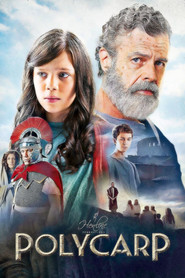
star 7.1Anna, a young slave girl, is rescued and adopted by Christians in 2ND Century Smyrna, and befriended by their aged bishop, Polycarp. As Anna is taught by Polycarp and her new family, she struggles to reconcile her beliefs with those of the Christians. When the Roman proconsul demands that all citizens worship Caesar to show their allegiance to Rome, Polycarp and the Christians must find courage to stand for their faith against the growing threat of persecution. Anna is forced to come to grips with the truth and choose whom she is willing to live, and die for.