New Movies on Kanopy - Page 305
All Services
Free Services
 Netflix
 Amazon Prime Video
 Apple iTunes
 Apple TV Plus
 Disney Plus
 Google Play Movies
 Paramount Plus
 Hulu
Hulu
 HBO Max
 YouTube
 fuboTV
 Peacock
 Peacock Premium
 Amazon Video
 The Roku Channel
 AMC+
AMC on Demand
AMC+
AMC on Demand
 Kocowa
 Hoopla
 The CW
 Vudu
Vudu
 Starz
Starz
 Showtime
 PBS
PBS
 Pantaflix
 FXNow
FXNow
 Tubi TV
 Kanopy
 Comedy Central
 Crunchyroll
 Microsoft Store
 Redbox
 Sun Nxt
 ABC
ABC
 DIRECTV
 Crackle
 Fandor
 Plex
Plex
Netflix
Amazon Prime Video
Apple iTunes
Apple TV Plus
Disney Plus
Google Play Movies
Paramount Plus
Hulu
HBO Max
YouTube
fuboTV
Peacock
Peacock Premium
Amazon Video
The Roku Channel
AMC+
AMC on Demand
Kocowa
Hoopla
The CW
Vudu
Starz
Showtime
PBS
Pantaflix
FXNow
Tubi TV
Kanopy
Comedy Central
Crunchyroll
Microsoft Store
Redbox
Sun Nxt
ABC
DIRECTV
Crackle
Fandor
Plex

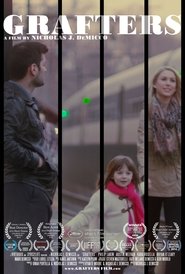
Grafters
2017
Grafters
2017
star 8Kurt steals the cars, and Larry, a shady chop-shop owner, sells them. But, Kurt's life soon becomes complicated by offbeat romance and professional competition.Marjorie Prime
2017
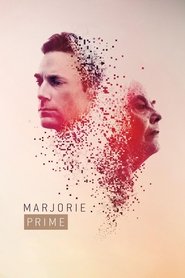
Marjorie Prime
2017
star 6.1A service which creates holographic projections of late family members allows an elderly woman to spend time with a younger version of her deceased husband.Angel Wagenstein: Art Is a Weapon
2017
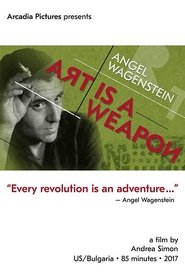
As a teenager in wartime Bulgaria, Wagenstein commanded a daredevil Jewish partisan brigade, surviving capture and torture by fascist police. At 94 years old, screenwriter, author and revolutionary Angel Wagenstein offers an account of his life in film and politics. Film clips contextualize historical moments and history contextualizes the films as Wagenstein provides witty and insightful commentary throughout.Cries from Syria
2017
Cries from Syria
2017
star 7.2An attempt to re-contextualize the European migrant crisis and ongoing hostilities in Syria, through eyewitness and participant testimony. Children and parents recount the revolution, civil war, air strikes, atrocities and ongoing humanitarian aid crises, in a portrait of recent history and the consequences of violence.The Force
2017
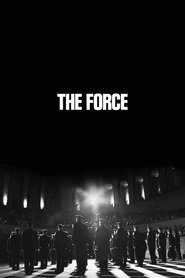
The Force
2017
star 6.8The Force presents a cinema vérité look deep inside the long-troubled Oakland Police Department as it struggles to confront federal demands for reform, a popular uprising following events in Ferguson, MO, and an explosive scandal.Lemon
2017
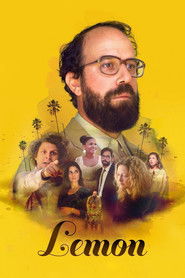
Lemon
2017
star 4.4Isaac has seen better days. His acting career is tanking, his blind girlfriend of 10 years plans to leave him, and his own family singles him out as a constant disappointment. Even as he takes a chance on new romance, he struggles to define his place in a world that has seemingly turned against him.Bogalusa Charm
2017
Bogalusa Charm
2017
A contemporary portrait of a small Louisiana town created at the site of the world’s largest lumber mill. Captured here in its last days after thirty years, Miss Dixie Gallaspy conducts a charm school for girls in order to teach the young women of Bogalusa the social graces and skills that would guide them into “Ladyhood”. Dixie’s week long school, in a town confronted with many challenges (including a legacy of racial conflict and financial dissipation) preserves fragments of a world that may already be lost.Motherland
2017
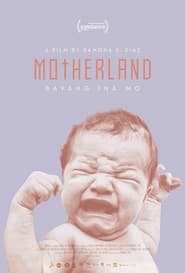
Motherland
2017
star 6.4The planet’s busiest maternity hospital is located in one of its poorest and most populous countries: the Philippines. There, poor women face devastating consequences as their country struggles with reproductive health policy and the politics of conservative Catholic ideologies.Oklahoma City
2017
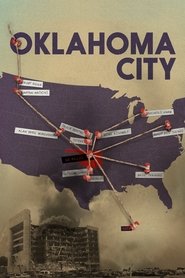
Oklahoma City
2017
star 6.9The bombing of the Alfred P. Murrah Federal Building in Oklahoma City in April 1995 is the worst act of domestic terrorism in American history. This documentary explores how a series of deadly encounters between American citizens and federal law enforcement—including the standoffs at Ruby Ridge and Waco—led to it.Free and Easy
2017
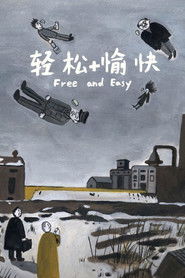
Free and Easy
2017
star 6Under a tin-gray sky, in a hollowed out corner of northern China, a stranger arrives in town bearing magical soap—but smelling it will cost you. Nearby, a pair of unenthused cops try cracking a seemingly simple case. Or not. And you can forget religious solace; the only monk around is not what he seems.Walking Out
2017
Walking Out
2017
star 5.9A city teen travels to Montana to go hunting with his estranged father, only for the strained trip to become a battle for survival when they encounter a grizzly bear.America Heard: Refuge of Hope
2017
Two women reflect on what their presidential vote means to those whose only true home is the American town that took them inWho Is Arthur Chu?
2017
Who Is Arthur Chu?
2017
star 6.5Documentary feature about 11-time Jeopardy! champion and Internet iconoclast, Arthur Chu.Dolores
2017
Dolores
2017
star 6Dolores Huerta bucks 1950s gender conventions by starting the country's first farm worker's union with fellow organizer Cesar Chavez. What starts out as a struggle for racial and labor justice, soon becomes a fight for gender equality within the same union she is eventually forced to leave. As she wrestles with raising 11 children, three marriages, and is nearly beaten to death by a San Francisco tactical police squad, Dolores emerges with a vision that connects her new found feminism with racial and class justice.Family Life
2017
Family Life
2017
star 4.4While house-sitting for a distant cousin, a lonely man fabricates the existence of a vindictive ex-wife withholding his daughter, in order to gain the sympathy of the single mother he has just met.Black Holes
2017
Black Holes
2017
star 5.6Dave is about to lead the first mission to Mars when he’s teamed up with a sentient melon, who claims to be the reincarnation of a fashion designer, upstaging his big moment and driving him to the brink of madness.A Bag of Marbles
2017
A Bag of Marbles
2017
star 7.8At the beginning of the 1940s, in a France occupied by Nazi forces, lived the Jewish Joffo family. Happy and tight-knit, she sees her future darken when all members of the family are forced to wear the yellow star. Fearing the worst, the parents organized their family to flee to the free zone in the south of the country. Maurice, twelve years old, and Joseph, ten years old, will therefore leave alone in order to maximize their chances of finding their older brothers already settled in Nice. The brothers left to their own devices demonstrate an incredible amount of cleverness, courage, and ingenuity to escape the enemy invasion and to try to reunite their family once again.Segantini: Back to Nature
2017
star 7.4Giovanni Segantini rose from humble origins to become the most important of Italian pointillists, and one of the most important symbolist painters in the 19th century. This film focuses on his way of feeling nature as a source of artistic and spiritual inspiration.Divided States of America
2017
star 7Review the partisanship that gridlocked Washington and charged the 2016 presidential campaign.The 44th President: In His Own Words
2017
star 6Comprised of two interviews with President Barack Obama conducted both before and after the 2016 Presidential election, The 44th President: In His Own Words is the President’s first-hand account of his time in office–his successes, his failures, his unfinished business–and what he hopes will be his legacy. Including additional interviews with members of his staff, Congress, and the press, The 44th President: In His Own Words is a unique examination of the Obama presidency from the inside out, and a profound and candid historical record that will stand for generations.