New Movies on Kanopy - Page 416
All Services
Free Services
 Netflix
 Amazon Prime Video
 Apple iTunes
 Apple TV Plus
 Disney Plus
 Google Play Movies
 Paramount Plus
 Hulu
Hulu
 HBO Max
 YouTube
 fuboTV
 Peacock
 Peacock Premium
 Amazon Video
 The Roku Channel
 AMC+
AMC on Demand
AMC+
AMC on Demand
 Kocowa
 Hoopla
 The CW
 Vudu
Vudu
 Starz
Starz
 Showtime
 PBS
PBS
 Pantaflix
 FXNow
FXNow
 Tubi TV
 Kanopy
 Comedy Central
 Crunchyroll
 Microsoft Store
 Redbox
 Sun Nxt
 ABC
ABC
 DIRECTV
 Crackle
 Fandor
 Plex
Plex
Netflix
Amazon Prime Video
Apple iTunes
Apple TV Plus
Disney Plus
Google Play Movies
Paramount Plus
Hulu
HBO Max
YouTube
fuboTV
Peacock
Peacock Premium
Amazon Video
The Roku Channel
AMC+
AMC on Demand
Kocowa
Hoopla
The CW
Vudu
Starz
Showtime
PBS
Pantaflix
FXNow
Tubi TV
Kanopy
Comedy Central
Crunchyroll
Microsoft Store
Redbox
Sun Nxt
ABC
DIRECTV
Crackle
Fandor
Plex

The Pedophile Hunters
2014
With unprecedented access to one of the most controversial agencies within America's Department of Homeland Security, this film follows US agents in Cambodia as they track down American pedophile sex tourists. Working with local activists and police, the American agents use forensics and surveillance techniques to collect damning evidence of sexual predators preying on young children.Gene Youngblood 2006: An Interview
2014
In this interview, communications theorist, Gene Youngblood (b. 1942) maps out the various stages of the development of video technology and its philosophical implications for human interaction. The range of topics discussed moves beyond video to offer an extensive and rich survey of American culture from the 1960s to the present moment. In addition to discussing his canonical text, Expanded Cinema, Youngblood shares stories from his early days as a police reporter for the Los Angeles Herald Examiner, where he gained intimate knowledge of the media’s politics of representation. With the acuity of hindsight, Youngblood discusses important self-discoveries, and his life-changing decision to move from the mainstream media into the world of the underground press.Nathaniel Dorsky: An Interview
2014
In his contribution to the On Art and Artists interview series, Nathaniel Dorsky (b.1943) begins by discussing his childhood love of the John Ford film Stagecoach and its influence upon his decision to make films while attending Antioch College. Describing the affinity he developed for work operating at the intersection of film materiality and personal language, Dorsky explains how he developed his philosophy of the “devotional film” and the “microcosmic viewer.” Dorsky likens his practice to Buddhist sculpture, referring to himself as a “Japanese poet continuing aspects of the ethos of the Marxist revolution.” In the interview, the artist describes his use of the screen as an “altarpiece for the image” and emphasizes his use of editing to create works which “harmoniously coalesce.” Interview conducted by Jeffrey Skoller in May 2000, edited in 2014.Kabelbel
2014
Kabelbel
2014
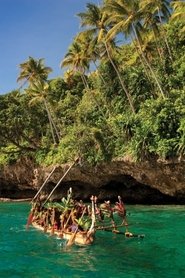
Kabelbel follows a group of villagers as they are taught the art of canoe making and seafaring by clan elders. Intergenerational differences and a sense of social change emerge along the way, along with a profound sense of cultural pride. Shot entirely on the remote island of Masahet in Papua New Guinea’s New Ireland Province, Kabelbel captures the daily rhythm of contemporary village life and reveals with great nuance the importance of custom and tradition in a changing world.Lucky Ducklings
2014
Lucky Ducklings
2014
A true story about a mama duck and her five ducklings that had to be rescued from the town storm drain during an early morning walk. This delightful new classic has an inspiring environmental message.Triptych: 3 Women Making Art
2014
Women and art rarely get serious attention in our culture, and older women in art are virtually ignored. In TRIPTYCH: 3 Women Making Art, we see three artists who debunk the myth of the older woman as a used up and useless part of society. In fact, these women have remained vibrant and creative well into their sixties and seventies.Exclamation Mark
2014
Exclamation Mark
2014
An exciting tale of self-discovery, this is the story about the exclamation mark. It's about fitting in and standing out, and with the help of others, finding your way. We all have an inner exclamation mark- the question is how to find it!Solar System: The Secrets of the Universe
2014
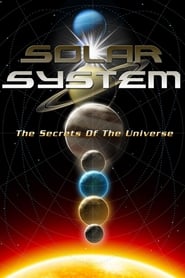
star 10Join our host on the International Space Station of the year 2050. Marvel at the three-dimensional sights and learn many things about the astral bodies that surround us.Pornland
2014
Life and Death at Preah Vihear
2014
Why are two modern Buddhist countries fighting over an ancient Hindu temple because of a bad French map from the early twentieth century? By documenting this modern conflict over an ancient temple this film addresses a critical question for our times: How does culture matter in matters of war?Spring: The Return of Life
2014
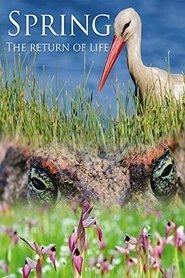
star 10A documentary about the most spectacular spring in the last fourty years. Five months of filming in the Iberian Peninsula, great forests, lakes, plains, saltworks, the awakening of the flora and especially of the fauna. We witness unique moments like the mating of the viperine water snake and the long journey into maturity of the natterjack toad.Hagia Sophia
2014
Hagia Sophia
2014
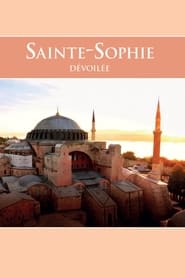
Considered the finest example of Byzantine architecture in the world, Hagia Sophia was constructed on a scale unprecedented in human history. Built in the amazingly short time of five years, it bears witness to an amazing scientific knowledge and a rich cultural heritage from the past.Consumerism & the Limits to Imagination
2014
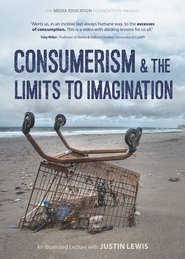
Consumer capitalism dominates our economy, our politics, and our culture, even though a growing body of research suggests it may be well past its sell-by date. In this illustrated presentation based on his latest critically acclaimed book, media scholar Justin Lewis makes a compelling case that consumer capitalism can no longer deliver on its promise of enhancing quality of life, and argues that changing direction will require changing our media system and our cultural environment. After showing how consumer capitalism has become economically and environmentally unsustainable, Lewis explores how our cultural and information industries make it difficult to envision other forms of human progress by limiting critical thinking and keeping us locked in a cycle of consumption. And he argues that change will only be possible if we take culture seriously and transform the very way we organize our media and communications systems.The New Clark: Bringing the Ando Experience to the Berkshires
2014
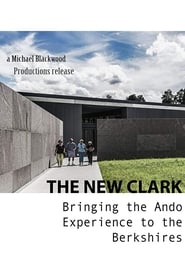
"The New Clark: Bringing the Ando Experience to the Berkshires" is a revealing insight into a long-term radical expansion of the Clark Art Institute in Williamstown, Massachusetts. The film follows the close collaboration between the museum and its internationally-acclaimed Japanese architect, Tadao Ando. Both Ando and the director of the Clark Art Institute, Michael Conforti, ponder the complexities of the project and the challenges involving aesthetic, setting, and community impact during the difficult twelve-year period. Determined to honor the institute's original buildings while introducing the modern elements associated with his unique style, Ando's design evokes a classic tranquility that seamlessly blends the Clark Art Institute with its stunning surroundings.The Artist's Studio: Carroll Dunham
2014
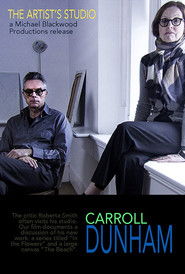
In an effort to work without the distractions of the city, artist Carroll Dunham moved his studio from Manhattan to a small village in Connecticut, not far from where he grew up. Finding himself to be more at peace in the calm, rural setting, Dunham feels the freedom to create wildly bold and visually stimulating work, painting his way through expression and sexuality. Continuously holding a mirror up to society, Dunham aims to examine the ways in which we interpret images and ideas surrounding the physical human form and our contrived notions of appropriate depictions of it through art and media. Dunham's large canvas works are flooded with vivid color and striking imagery that grabs the attention of its audience and encourages a reconsideration of form and gaze. "The Artist's Studio: Carroll Dunham" documents a visit with critic Roberta Smith as she observes his new captivating work: a series entitled "In the Flowers" and a large canvas "The Beach".Oasis vs. Blur | Duel at the Peak of Britpop
2014
star 6.8During the 90s, Britpop dominated the airwaves and an epic pop rivalry sparked into life when Blur’s single ‘Country House’ went up against Oasis’s ‘Roll With It’ in the charts.14: Dred Scott, Wong Kim Ark and Vanessa Lopez
2014
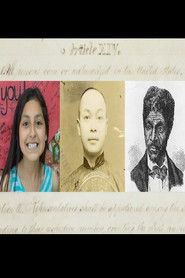
Explores the recurring question about who has the right to be an American citizen. The story is told through the lives of three ordinary and extraordinary American families who changed history by their courageous challenges to the powerful status quo. Descendants of Dred and Harriet Scott and those of Wong Kim Ark tell the stories of how their ancestors fought all the way to the Supreme Court and changed American history. Rosario Lopez and her daughter Vanessa are both activists in the immigrant rights youth movement. It is the citizenship of millions of children like Vanessa Lopez, born in the United States to undocumented parents, that is at stake now.Threatened
2014
Threatened
2014
Deep in Brazil, where law and justice require first and last name, the struggle for a piece of land becomes a matter of life or death. "Threatened" shows peasants in the South and Southeast of Pará, who have to fight for a piece of land for farming and living.Pencils Down! The 100 Days of the Writers Guild Strike
2014
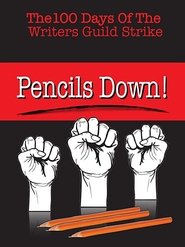
star 8.5In 2007, the Writers Guild of America, the Screenwriters Union, hit an impasse in their contract negotiations with the Studios. At the center of the dispute was jurisdiction over the internet. Unable to make progress, the WGA called a strike which brought Hollywood to a halt for 100 days.Forest Brothers
2014
Forest Brothers
2014
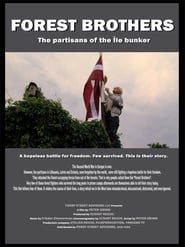
Documentary about the Forest Brothers (partisans) fighting the Soviets in the three Baltic States after WWII.