New Drama Movies on Kanopy - Page 301
All Services
Free Services
 Netflix
 Amazon Prime Video
 Apple iTunes
 Apple TV Plus
 Disney Plus
 Google Play Movies
 Paramount Plus
 Hulu
Hulu
 HBO Max
 YouTube
 fuboTV
 Peacock
 Peacock Premium
 Amazon Video
 The Roku Channel
 AMC+
AMC on Demand
AMC+
AMC on Demand
 Kocowa
 Hoopla
 The CW
 Vudu
Vudu
 Starz
Starz
 Showtime
 PBS
PBS
 Pantaflix
 FXNow
FXNow
 Tubi TV
 Kanopy
 Comedy Central
 Crunchyroll
 Microsoft Store
 Redbox
 Sun Nxt
 ABC
ABC
 DIRECTV
 Crackle
 Fandor
 Plex
Plex
Netflix
Amazon Prime Video
Apple iTunes
Apple TV Plus
Disney Plus
Google Play Movies
Paramount Plus
Hulu
HBO Max
YouTube
fuboTV
Peacock
Peacock Premium
Amazon Video
The Roku Channel
AMC+
AMC on Demand
Kocowa
Hoopla
The CW
Vudu
Starz
Showtime
PBS
Pantaflix
FXNow
Tubi TV
Kanopy
Comedy Central
Crunchyroll
Microsoft Store
Redbox
Sun Nxt
ABC
DIRECTV
Crackle
Fandor
Plex

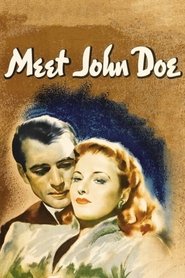
Meet John Doe
1941
Meet John Doe
1941
star 7.3As a parting shot, fired reporter Ann Mitchell prints a fake letter from unemployed "John Doe," who threatens suicide in protest of social ills. The paper is forced to rehire Ann and hires John Willoughby to impersonate "Doe." Ann and her bosses cynically milk the story for all it's worth, until the made-up "John Doe" philosophy starts a whole political movement.40,000 Horsemen
1940
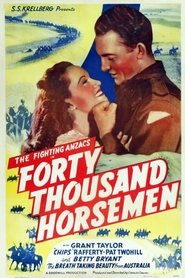
40,000 Horsemen
1940
star 5.6Charles Chauvel's 1940 cinematic tribute to the mounted troops of the Australian Light Horse regiments is a rousing call to arms, giving life to the heroic tales of mateship during the Great War.Her Second Mother
1940
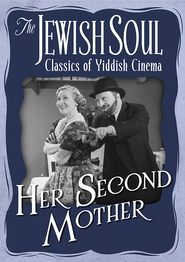
Her Second Mother
1940
A young woman tries to repay her adoptive parents' kindness by shielding their biological child, who has gotten involved with an embezzler, from the police.My Universities
1940
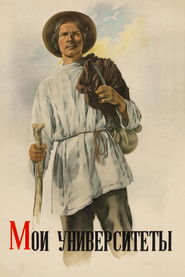
My Universities
1940
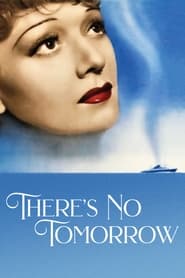
star 5.5My Universities (Moi universiteti) is the last installment of Russian director Mark Donskoy's "Maxim Gorki" trilogy. Having endured a painful youth in My Childhood and a torturous sojourn as a serf in My Apprenticeship, future writer Gorki reaches maturity with an insatiable desire for personal and artistic freedom. The "university" of the title is actual the school of Hard Knocks, as Gorky goes to work in the shipyards and commisserates with the hard-drinking, philosophical dockworkers.There's No Tomorrow
1940
There's No Tomorrow
1940
star 6.9Evelyne, a woman of bourgeois origin, now reduced to dancing in a sleazy nightclub, is reunited with her first love, who has become a successful doctor.Overture to Glory
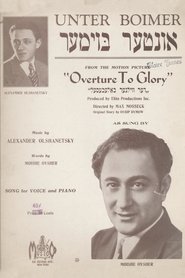
1940
Overture to Glory
1940
star 1A humble cantor, Oysher yearns to be an opera singer. He deserts his tiny village to pursue his dream, but when his voice breaks he sheepishly returns, resigned to attending but not singing at the Yom Kippur services. Upon his return, Oysher is informed that his son has died. Out of grief is wrought a miracle: Oysher's voice returns, more powerful than ever. After performing the Day of Atonement services, Oysher suddenly collapses, peacefully joining his son in death. If you wish to see the touching Overture to Glory, by all means seek out a decent print; many extant copies are so washed out that, not only are the English subtitles unreadable, but it's extremely difficult to tell one actor from another.Tevye
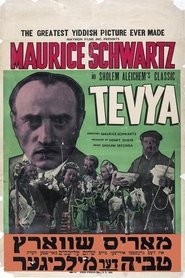
1939
Tevye
1939
star 6Tevye is a dairyman in the Russian Ukraine early in the 20th century. He lives in a cabin outside Boyberik with his wife Goldie, his widowed daughter Tseytl, her two children, and his younger daughter, the unmarried Khave. Khave is being courted by Fedya, a Christian, the son of a local government official. Tevye warns Khave against romance and marriage outside her faith, but Fedya is persuasive too. What will Khave decide, how will Tevye react, and when the Tsar initiates a pogrom, will Tevye's friends come to his defense? Can the stubborn Tevye reconcile his heart and tradition?The Real Glory
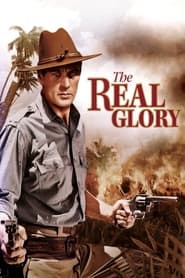
1939
The Real Glory
1939
star 6.3Fort Mysang, southern Philippine Islands, under US rule, 1906. A small group of army officers and native troops resist the fierce and treacherous attacks of the ruthless Alisang and his fanatical followers.The Women
1939
The Women
1939
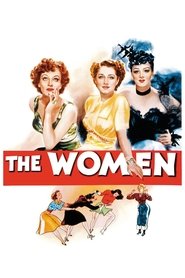
star 7.1A happily married woman lets her catty friends talk her into divorce when her husband strays.The Hunchback of Notre Dame
1939
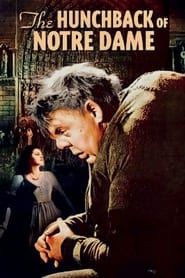
star 7.3Paris, France, 1482. Frollo, Chief Justice of benevolent King Louis XI, gets infatuated by the beauty of Esmeralda, a young Romani girl. The hunchback Quasimodo, Frollo's protege and bell-ringer of Notre Dame, lives in peace among the bells in the heights of the immense cathedral until he is involved by the twisted magistrate in his malicious plans to free himself from Esmeralda's alleged spell, which he believes to be the devil's work.They Shall Have Music
1939
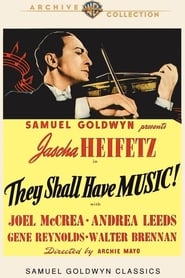
star 6.1The future is bleak for a troubled boy from a broken home in the slums. He runs away when his step father breaks his violin, ending up sleeping in the basement of a music school for poor children.The Rules of the Game
1939
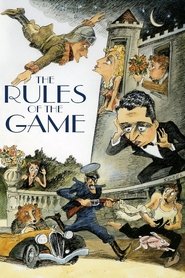
star 7.5A weekend at a marquis’ country château lays bare some ugly truths about a group of haut bourgeois acquaintances.Dark Victory
1939
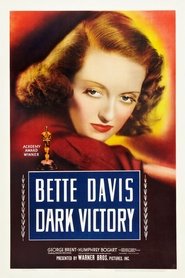
Dark Victory
1939
star 7Socialite Judith Traherne lives a lavish but emotionally empty life. Riding horses is one of her few joys, and her stable master is secretly in love with her. Told she has a brain tumor by her doctor, Frederick Steele, Judith becomes distraught. After she decides to have surgery to remove the tumor, Judith realizes she is in love with Dr. Steele, but more troubling medical news may sabotage her new relationship, and her second chance at life.Love Affair
1939
Love Affair
1939
star 7A French playboy and an American former nightclub singer fall in love aboard a ship. They arrange to reunite six months later, if neither has changed their mind.Wuthering Heights
1939
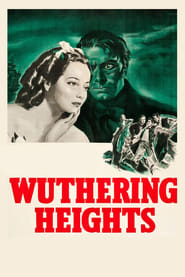
Wuthering Heights
1939
star 7.2The Earnshaws are Yorkshire farmers during the early 19th Century. One day, Mr. Earnshaw returns from a trip to the city, bringing with him a ragged little boy called Heathcliff. Earnshaw's son, Hindley, resents the child, but Heathcliff becomes companion and soulmate to Hindley's sister, Catherine. After her parents die, Cathy and Heathcliff grow up wild and free on the moors and despite the continued enmity between Hindley and Heathcliff they're happy -- until Cathy meets Edgar Linton, the son of a wealthy neighbor.They Made Me a Criminal
1939
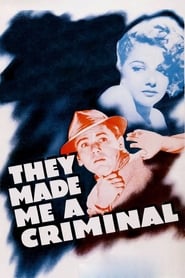
star 6.1A boxer flees, believing he has committed a murder while he was drunk.The Building of a Nation
1938
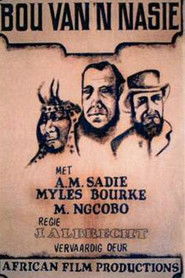
The epic (and very costly) retelling of the history of South Africa from 1652 to 1910, made to coincide with the 100th anniversary of the Great Trek (1838)Alexander Nevsky
1938
Alexander Nevsky
1938
star 7.1When German knights invade Russia, Prince Alexander Nevsky must rally his people to resist the formidable force. After the Teutonic soldiers take over an eastern Russian city, Alexander stages his stand at Novgorod, where a major battle is fought on the ice of frozen Lake Chudskoe. While Alexander leads his outnumbered troops, two of their number, Vasili and Gavrilo, begin a contest of bravery to win the hand of a local maiden.A Woman's Face
1938
A Woman's Face
1938
star 5.9A cynical woman with a disfigured face—a hardened criminal—gets an opportunity to change her ways when she meets a sympathetic plastic surgeon. She leaves her old life behind, but soon her old friends catch up with her.St. Martin's Lane
1938
St. Martin's Lane
1938
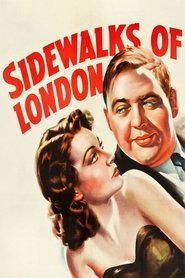
star 7.2On the sidewalks of the London theater district the buskers (street performers) earn enough coins for a cheap room. Charles, who recites dramatic monologues, sees that a young pickpocket, Libby, also has a talent for dancing and adds her to his act. Harley, the theater patron who never knew Libby took his gold cigarette case, is impressed by Libby's dancing and invites her to bring Charles and the other buskers in his group to an after-the-play party. Libby comes alone. A theatrical career is launched.