New War Movies on Kanopy - Page 16
All Services
Free Services
 Netflix
 Amazon Prime Video
 Apple iTunes
 Apple TV Plus
 Disney Plus
 Google Play Movies
 Paramount Plus
 Hulu
Hulu
 HBO Max
 YouTube
 fuboTV
 Peacock
 Peacock Premium
 Amazon Video
 The Roku Channel
 AMC+
AMC on Demand
AMC+
AMC on Demand
 Kocowa
 Hoopla
 The CW
 Vudu
Vudu
 Starz
Starz
 Showtime
 PBS
PBS
 Pantaflix
 FXNow
FXNow
 Tubi TV
 Kanopy
 Comedy Central
 Crunchyroll
 Microsoft Store
 Redbox
 Sun Nxt
 ABC
ABC
 DIRECTV
 Crackle
 Fandor
 Plex
Plex
Netflix
Amazon Prime Video
Apple iTunes
Apple TV Plus
Disney Plus
Google Play Movies
Paramount Plus
Hulu
HBO Max
YouTube
fuboTV
Peacock
Peacock Premium
Amazon Video
The Roku Channel
AMC+
AMC on Demand
Kocowa
Hoopla
The CW
Vudu
Starz
Showtime
PBS
Pantaflix
FXNow
Tubi TV
Kanopy
Comedy Central
Crunchyroll
Microsoft Store
Redbox
Sun Nxt
ABC
DIRECTV
Crackle
Fandor
Plex

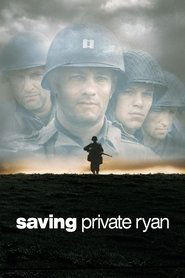
Saving Private Ryan
1998
Saving Private Ryan
1998
star 8.2As U.S. troops storm the beaches of Normandy, three brothers lie dead on the battlefield, with a fourth trapped behind enemy lines. Ranger captain John Miller and seven men are tasked with penetrating German-held territory and bringing the boy home.The Long Way Home
1997
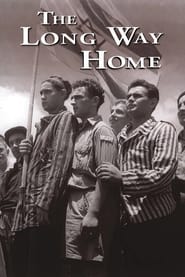
The Long Way Home
1997
star 7.1The story of the post World War II Jewish refugee situation from liberation to the establishment of the modern state of Israel.For Ever Mozart
1996
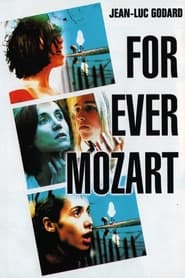
For Ever Mozart
1996
star 5.8Episodic film that follows a theater troupe from France attempting to put on a play in Sarajevo. Along their journey they are captured and held in a POW camp, and they call for help from their friends and relations in France.Flame
1996
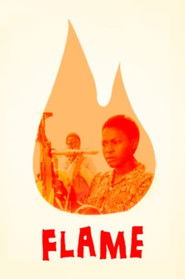
Flame
1996
star 5The 1970s in the former Rhodesia, today Zimbabwe: The native people is going against the white suppressors. As the war reaches the most distant villages as well the two friends Florence and Nyasha join the fighters and assume new names: Flame and Liberty. But the war is not as easy as they thought...Nagasaki Journey
1995
Nagasaki Journey
1995
Rashomon-like look at the atomic bombing of Nagasaki on August 10, 1945. Features color footage of the bomb's aftermath shown in public for the first time in over fifty years. The film features extremely rare footage of the atomic bombing, both black-and-white and color.Braveheart
1995
Braveheart
1995
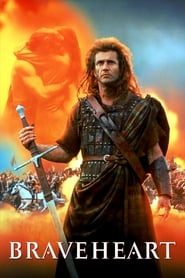
star 7.9Enraged at the slaughter of Murron, his new bride and childhood love, Scottish warrior William Wallace slays a platoon of the local English lord's soldiers. This leads the village to revolt and, eventually, the entire country to rise up against English rule.Underground
1995
Underground
1995
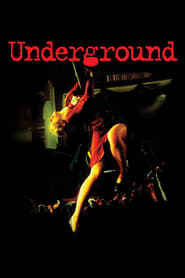
star 7.7A group of Serbian socialists prepares for the war in a surreal underground filled by parties, tragedies, love and hate.Rob Roy
1995
Rob Roy
1995
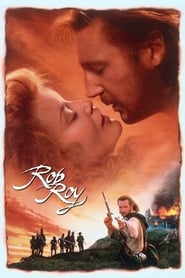
star 6.7In the highlands of Scotland in the 1700s, Rob Roy tries to lead his small town to a better future, by borrowing money from the local nobility to buy cattle to herd to market. When the money is stolen, Rob is forced into a Robin Hood lifestyle to defend his family and honour.The Forgotten Force
1994
The Forgotten Force
1994
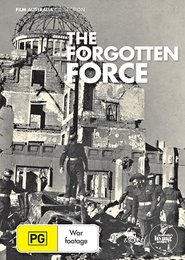
star 6After the atomic obliteration of Hiroshima and Nagasaki, over 36,000 Australian men and women, part of the British Commonwealth Occupation Force (BCOF), marched onto Japanese soil. They were assigned the toughest and most dangerous area of Japan: Hiroshima Prefecture, which included the atom-bombed city. The Forgotten Force tells for the first time the story of Australia's role in Japan. Rare archival and private footage, photographs and eyewitness accounts from both sides vividly recreate the atmosphere of post-war Japan - the horror of Hiroshima and its aftermath; the struggle to build a new "democratic" society while under the heel of military rule; the growth from suspicion and fear to friendship and trust between foes.Coming Out Under Fire
1994
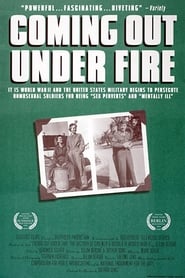
star 3.9A historical account of military policy regarding homosexuality during World War II. The documentary includes interviews with several homosexual WWII veterans.A Midnight Clear
1992
A Midnight Clear
1992
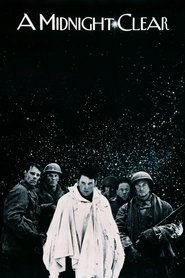
star 6.5In 1944 France, an American Intelligence Squad locates a German Platoon wishing to surrender rather than die in Germany's final war offensive. The two groups of men, isolated from the war at present, put aside their differences and spend Christmas together before the surrender plan turns bad and both sides are forced to fight the other.Lessons of Darkness
1992
Lessons of Darkness
1992
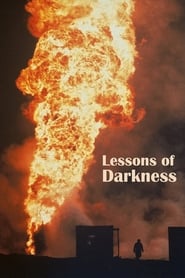
star 7.8Shortly after the Gulf War, oil fires were raging all through Kuwait. In the week before this sea of fire would be extinguished, Werner Herzog filmed this apocalyptic landscape with its murky skies, scorched earth and capricious flames.Archangel
1990
Archangel
1990
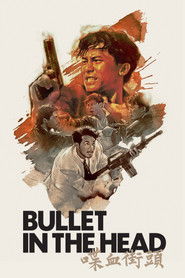
star 5.4At the height of the October Revolution during the 1919 allied intervention in Arkhangelsk, the exploits of one-legged Canadian soldier Lt. John Boles are told, after he is taken in from the cold by a dysfunctional Russian family and mistakes a local woman for his presumed dead lover.Bullet in the Head
1990
Bullet in the Head
1990
star 7.6Three childhood friends from the slums of Hong Kong flee to war-time Saigon after accidentally murdering a gang leader, but their troubles only escalate.Hiroshima: Out of the Ashes
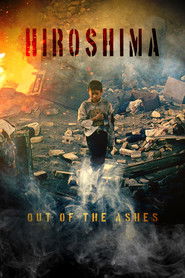
1990
star 5.8The movie follows the perspective of several characters (such as Japanese victims, soldiers, American prisoners of war and others) and how they lived or tried to survive the effects felt during the aftermath of the Atomic Bomb dropping by the Enola Gay at Hiroshima, during World War II.Korczak
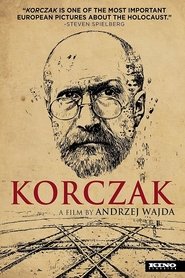
1990
Korczak
1990
star 7The story of Polish pedagogue Janusz Korczak and his dedication to protecting Jewish orphans during the war.Fat Man and Little Boy
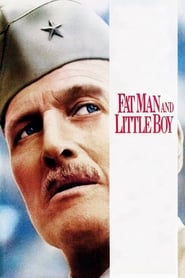
1989
star 6.2Assigned to oversee the development of the atomic bomb, Gen. Leslie Groves is a stern military man determined to have the project go according to plan. He selects J. Robert Oppenheimer as the key scientist on the top-secret operation, but the two men clash fiercely on a number of issues. Despite their frequent conflicts, Groves and Oppenheimer ultimately push ahead with two bomb designs — the bigger "Fat Man" and the more streamlined "Little Boy."Surname Viêt Given Name Nam
1989
star 5.2The film evolves around questions of identity, popular memory and culture. While focusing on aspects of Vietnamese reality as seen through the lives and history of women resistance in Vietnam and in the U.S, it raises questions on the politics of interviewing and documenting.War Requiem
1989
War Requiem
1989
star 6.2During World War I, British soldier Owen is mortified by the examples of cruelty that surround him in the trenches. He combats these terrifying images by maintaining hope in his love for an army nurse. But he also begins to accept his fate as another battlefield sacrifice.Thanks Girls and Goodbye
1988
Documentary using archival footage, newsreels and contemporary interviews with women of the WW2 Australian Women's Land Army.