New History Movies on The Roku Channel - Page 31
All Services
Free Services
 Netflix
 Amazon Prime Video
 Apple iTunes
 Apple TV Plus
 Disney Plus
 Google Play Movies
 Paramount Plus
 Hulu
Hulu
 HBO Max
 YouTube
 fuboTV
 Peacock
 Peacock Premium
 Amazon Video
 The Roku Channel
 AMC+
AMC on Demand
AMC+
AMC on Demand
 Kocowa
 Hoopla
 The CW
 Vudu
Vudu
 Starz
Starz
 Showtime
 PBS
PBS
 Pantaflix
 FXNow
FXNow
 Tubi TV
 Kanopy
 Comedy Central
 Crunchyroll
 Microsoft Store
 Redbox
 Sun Nxt
 ABC
ABC
 DIRECTV
 Crackle
 Fandor
 Plex
Plex
Netflix
Amazon Prime Video
Apple iTunes
Apple TV Plus
Disney Plus
Google Play Movies
Paramount Plus
Hulu
HBO Max
YouTube
fuboTV
Peacock
Peacock Premium
Amazon Video
The Roku Channel
AMC+
AMC on Demand
Kocowa
Hoopla
The CW
Vudu
Starz
Showtime
PBS
Pantaflix
FXNow
Tubi TV
Kanopy
Comedy Central
Crunchyroll
Microsoft Store
Redbox
Sun Nxt
ABC
DIRECTV
Crackle
Fandor
Plex

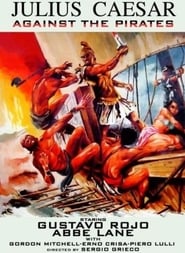
Caesar Against the Pirates
1962
star 5.3Julius Caesar flees Rome because of a conspiration against him and takes refuge by the king of Bitinia. He finds a woman there and while he escorts her to Rhodes their ship is attacked. Caught by the pirates he asks for help to get back to Rome.Sissi - Forever My Love
1962
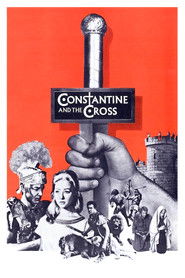
star 6.7The beautiful account of the powerful drama of love and courage of Austrian Archduke Franz Joseph and Princess Elizabeth of Bavaria. This is a condensed version of the original German language 3-part "Sissi" series.Constantine and the Cross
1961
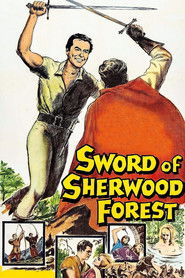
star 5.1Constantine is fighting against Barbarians with his father when he is called to Rome. In his way to Rome, he falls in an ambush planned by Maxence, who wants to become emperor.Sword of Sherwood Forest
1960
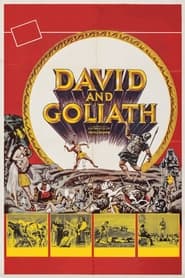
star 6Robin of Loxley and his men stumble on a plot to overthrow Hubert Walter, King's Chancellor and Archbishop of Canterbury. The plotters, the Sheriff of Nottingham and the Earl of Newark, have set an ambush for Walter and Lady Marian Fitzwater. Will Robin get to them before it is too late?David and Goliath
1960
David and Goliath
1960
star 3.5When the Philistines attack, the Israelites are hopeless against the fierce giant Goliath and don't know what to do. King Saul takes the advice of the prophets and sends an adolescent shepherd, David, into battle to conquer the oversized Philistine. David is victorious and becomes the King of Israel.Hannibal
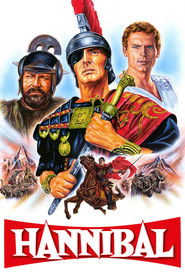
1959
Hannibal
1959
star 5.6A Carthaginian general attempts to cross the Alps with an army of elephants in order to conquer Rome.Operation Amsterdam
1959
Operation Amsterdam
1959
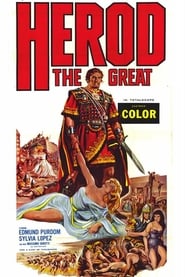
star 5.8When Germany invades Holland in 1940, a British intelligence officer and two Dutch diamond merchants go to Amsterdam to persuade the Dutch diamond merchants to evacuate their diamond supplies to England.Herod the Great
1959
Herod the Great
1959
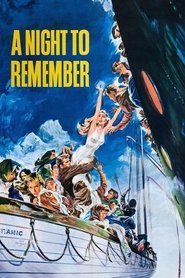
star 5.5Angry at his wife and defeated in battle, the king of Judea is taken prisoner. After being spared by the Romans, King Herod comes to believe he's been a victim of court plotting.A Night to Remember
1958
A Night to Remember
1958
star 7.7The sinking of the Titanic is presented in a highly realistic fashion in this tense British drama. The disaster is portrayed largely from the perspective of the ocean liner's second officer, Charles Lightoller. Despite numerous warnings about ice, the ship sails on, with Capt. Edward John Smith keeping it going at a steady clip. When the doomed vessel finally hits an iceberg, the crew and passengers discover that they lack enough lifeboats, and tragedy follows.Sissi: The Fateful Years of an Empress
1957
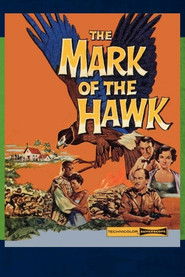
star 7.1After a wonderful time in Hungary Sissi falls extremely ill and must retreat to a Mediterranean climate to rest. The young empress’ mother takes her from Austria to recover in Madeira.The Mark of the Hawk
1957
The Mark of the Hawk
1957
star 3The man called Obam struggles with the increasingly hostile forces facing each other in a colonial African country. The African natives want their land and lives back from the British colonists. Obam's motives are questioned by his own people, in particular his brother Kanda. With the help of his wife Renee and missionary Bruce Craig, will he be able to get things under control before the country self-destructs? Written by Greg BrunoRaiders of Old California
1957
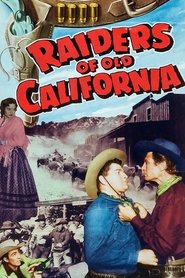
star 4.7A villainous cavalry officer is trying to force the owner of a hacienda to give him his land when a courageous settler comes to the rescue.The Story of Vickie
1954
The Story of Vickie
1954
star 6.9Vickie, short for Victoria, is crowned Queen of England and as such needs to learn the responsibilities of her new post.John Wesley
1954
John Wesley
1954
star 1Rescued from a burning house as a child, John Wesley believes the experience marked him for a higher purpose, a 'brand from the burning'. The film follows Wesley's years at Oxford and as a clergyman, his disagreements with the church over the social position of the clergy, his mission to America, the founding of Methodism, and his bringing of the Gospel into the lives of ordinary people.Mutiny
1952
Mutiny
1952
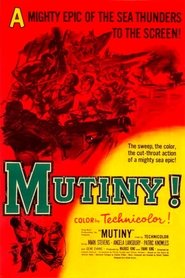
star 4.8Early in the War of 1812, Captain James Marshall is commissioned to run the British blockade and fetch an unofficial war loan from France. As first mate, Marshall recruits Ben Waldridge, a cashiered former British Navy captain. Waldridge brings his former gun crew...who begin plotting mutiny as soon as they learn there'll be gold aboard. The gold duly arrives, and with it Waldridge's former sweetheart Leslie, who's fond of a bit of gold herself. Which side is Waldridge really on?Go for Broke!
1951
Go for Broke!
1951
star 5.8A tribute to the U.S. 442nd Regimental Combat Team, formed in 1943 by Presidential permission with Japanese-American volunteers. We follow the training of a platoon under the rueful command of Lt. Mike Grayson who shares common prejudices of the time. The 442nd serve in Italy, then France, distinguishing themselves in skirmishes and battles; gradually and naturally, Grayson's prejudices evaporate with dawning realization that his men are better soldiers than he is.Black Magic
1949
Canadian Pacific
1949
Canadian Pacific
1949
star 5A surveyor for the Canadian Pacific Railroad must fight fur trappers who oppose the building of the railroad by stirring up Indian rebellion.Joan of Arc
1948
Joan of Arc
1948
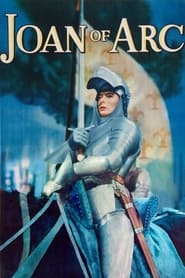
star 6.1In the 15th Century, France is a defeated and ruined nation after the One Hundred Years War against England. The fourteen-year-old farm girl Joan of Arc claims to hear voices from Heaven asking her to lead God's Army against Orleans and crowning the weak Dauphin Charles VII as King of France. Joan gathers the people with her faith, forms an army, and conquers Orleans.Thunderbolt
1947
Thunderbolt
1947
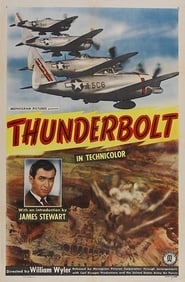
star 6.1Documentary about the U.S. Air Force's P-47 Thunderbolt bomber's role in the Italian Campaign during WW2.