New Movies on Tub Tv - Page 136
All Services
Free Services
 Netflix
 Amazon Prime Video
 Apple iTunes
 Apple TV Plus
 Disney Plus
 Google Play Movies
 Paramount Plus
 Hulu
Hulu
 HBO Max
 YouTube
 fuboTV
 Peacock
 Peacock Premium
 Amazon Video
 The Roku Channel
 AMC+
AMC on Demand
AMC+
AMC on Demand
 Kocowa
 Hoopla
 The CW
 Vudu
Vudu
 Starz
Starz
 Showtime
 PBS
PBS
 Pantaflix
 FXNow
FXNow
 Tubi TV
 Kanopy
 Comedy Central
 Crunchyroll
 Microsoft Store
 Redbox
 Sun Nxt
 ABC
ABC
 DIRECTV
 Crackle
 Fandor
 Plex
Plex
Netflix
Amazon Prime Video
Apple iTunes
Apple TV Plus
Disney Plus
Google Play Movies
Paramount Plus
Hulu
HBO Max
YouTube
fuboTV
Peacock
Peacock Premium
Amazon Video
The Roku Channel
AMC+
AMC on Demand
Kocowa
Hoopla
The CW
Vudu
Starz
Showtime
PBS
Pantaflix
FXNow
Tubi TV
Kanopy
Comedy Central
Crunchyroll
Microsoft Store
Redbox
Sun Nxt
ABC
DIRECTV
Crackle
Fandor
Plex

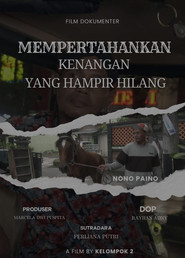
Mempertahankan Kenangan Yang Hampir Hilang
2025
star 10A documentary about the daily life of a horse coachman in Yogyakarta.Antonio
2025
Dead Hours
2025
PROXY
2025
PROXY
2025
A college student takes part in an experimental trial granting him a perfect duplicate of himself to help make his life easier.Finding Santos
2025
Finding Santos
2025
Woojin was once a popular K-POP star, but now he is a faded celebrity. Tormented by obsessive stalker fans and malicious online comments, he lives in isolation, cut off from the world. One day, his only family—his grandmother—asks him to find Santos, a Philippine veteran who once saved her during the Korean War. With his long-time manager and best friend Junha by his side, Woojin sets off for the Philippines. At Manila Airport, he unexpectedly meets Gabby, a mysterious young woman and longtime fan of his, who eagerly offers to help. Soon, Gabby’s best friend, the vibrant and quirky influencer Lara, joins them, and an unplanned journey begins.离恨谷
2025
离恨谷
2025
star 3A young man, Qi Junyuan, infiltrates Lihen Valley to avenge his family's massacre by a gang conspiracy, only to uncover a deeper, more complicated truth.Transit of Venus
2025
Transit of Venus
2025
The controversial Doctor of Philosophy and YouTuber Antonín Dolák lies in the timelessness of his bare room on the top floor of an unnamed villa. Because of his work, he has been expelled from the University of Ostrava, as well as from lectures at DAMU and other institutions. He has offended everyone and has resigned from everything else; he no longer seeks the Truth with a capital T – artificial intelligence will surely do it for us. The final blow for him was the deletion of his channel, which had a ten-year history: from philosophical lectures to provocative anti-art and childish philosophical theater. To some fans he is a self-centered parasite while for others he is a kind of virtual fiction on the internet that they cannot imagine as part of the shared world. Is there anything left about Dolák that is lovable? Is there anything sacred to him? Crippling loneliness sets in.The Operator
2025
The Operator
2025
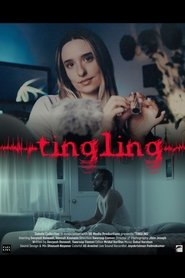
Tingling
2025
Tingling
2025
A man watches a soothing ASMR video to help him sleep, but the voice meant to calm him soon reveals a chilling connection to his past.The secret of the third filmmaker
2025
Three filmmakers come together. But what do they have in common, anyway?Window Shot
2025
Window Shot
2025
Archival films from 1950s Kenya turn settler home windows into a lens on the Mau Mau uprising, revealing how British and American movies framed anti-colonial resistance as the villains of a Western.L'albero di trasmissione 2 - La vendetta
2025
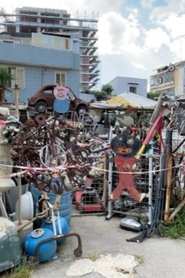
As happens to Simone, who was already the protagonist 11 years ago – he was portrayed back then with the other men of the Ciliberti family in the previous film *L'albero di trasmissione* – forced to close his workshop and with it his creations made from scrap, emblems of an unproductive inventiveness, of a fragile but realized utopia. It seems, however, that living on the margins of the present, in a precariousness that is a choice and not a misfortune, is a freedom that is no longer permitted. This new work by Fabrizio Bellomo is a biographical film (about a man, a nonconformist, and his neighborhood), which is at the same time a sequel and itself a film within a film, but also and above all a reflection on the role of cinema towards its subjects and on the humanist mandate of documentary.Goundafa, the Cursed Song
2025
In a small village in Goundafa, Morocco's High Atlas region, Said, Brahim, and Omar play music, dreaming of success and fame, while Fadma and the village women work the land with songs. The arrival of a new conservative imam gradually sows trouble and divides the community. His influence pushes some to deny their Amazigh identity, while others choose to rebel.Xylella Fastidiosa
2025
Xylella Fastidiosa
2025
Simon works in a garden center in the south with his mother. Ghosted by Corentin, his teenage world falls apart. The plants in the greenhouse and Hyacinthe may be able to help him move forward.Trànsit
2025
Trànsit
2025
"Trànsit" is a journey through a city that never lets us stay. Between the noise of the subway and the silence of empty streets, the short film captures the feeling of not belonging to any neighborhood, of living always in transit.