New History Movies on Tub Tv - Page 152
All Services
Free Services
 Netflix
 Amazon Prime Video
 Apple iTunes
 Apple TV Plus
 Disney Plus
 Google Play Movies
 Paramount Plus
 Hulu
Hulu
 HBO Max
 YouTube
 fuboTV
 Peacock
 Peacock Premium
 Amazon Video
 The Roku Channel
 AMC+
AMC on Demand
AMC+
AMC on Demand
 Kocowa
 Hoopla
 The CW
 Vudu
Vudu
 Starz
Starz
 Showtime
 PBS
PBS
 Pantaflix
 FXNow
FXNow
 Tubi TV
 Kanopy
 Comedy Central
 Crunchyroll
 Microsoft Store
 Redbox
 Sun Nxt
 ABC
ABC
 DIRECTV
 Crackle
 Fandor
 Plex
Plex
Netflix
Amazon Prime Video
Apple iTunes
Apple TV Plus
Disney Plus
Google Play Movies
Paramount Plus
Hulu
HBO Max
YouTube
fuboTV
Peacock
Peacock Premium
Amazon Video
The Roku Channel
AMC+
AMC on Demand
Kocowa
Hoopla
The CW
Vudu
Starz
Showtime
PBS
Pantaflix
FXNow
Tubi TV
Kanopy
Comedy Central
Crunchyroll
Microsoft Store
Redbox
Sun Nxt
ABC
DIRECTV
Crackle
Fandor
Plex

Horses Die at Dawn
2022
Horses Die at Dawn
2022
When Ione moves into the house of the deceased García siblings, she discovers that their rebel spirit still remains in the many objects they left behind. Antonio worked as a comic book artist for the Bruguera publishing house and Rosita was a pianist and opera singer. Both, together with their brother Juanito, transformed their home into a space dominated by fiction, to escape the dark reality imposed by the Franco dictatorship.Ice Sniper
2022
Ice Sniper
2022
China's Warrior Queen
2022
star 6.5Over 3,500 years ago, the powerful Shang Dynasty emerged from the Central Chinese plains. Their armies were led by a fierce and brilliant young general - her name was Fu Hao.Love Your Enemies
2022
Love Your Enemies
2022
star 6GDR, January 1990. After his ouster and the fall of the wall, dictator Erich Honecker and his wife Margot find themselves virtually homeless. Only Protestant pastor Uwe Holmer and his family, who, like many others, have suffered under his tyrannical regime, offer them refuge.The Kashmir Files
2022
The Kashmir Files
2022
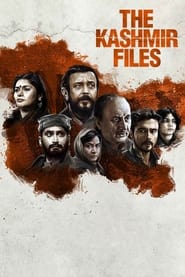
star 7.1Based on a true tragedy, the emotionally triggering film sheds light on the plight of Kashmiri Pandits (Hindus), a religious minority in the 1990s Kashmir valley, who were compelled to flee their homes by the Islamic militants.5½ years
2022
5½ years
2022
star 10In October 2020, the biggest trial in modern Greece comes to an end. The court ruling is clear: The Parliament’s third-largest party over several years is a criminal organization. What is it like to cover such a trial for five and a half years? A conversation with the people who were there.Garden of Eden
2022
The Pitești Experiment
2022
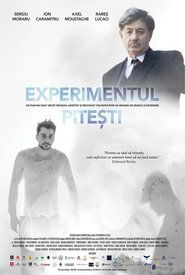
star 8The life story of Herman, a promising young man who under extreme circumstances changed into Romania's most effective torture machine in the infamous Pitesti Experiment during the Communist RegimeGods of Mexico
2022
Gods of Mexico
2022
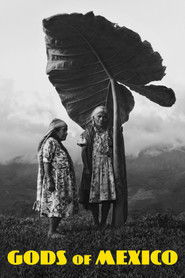
star 5.8It follows the resistance to modernization in rural Mexico. It is a reminder that it is still possible to live in tune with our essence as human beings.La macchina delle immagini di Alfredo C.
2022
star 8April 1939. Fascist Italy occupies Albania. Thousands of Italian workers, settlers and technicians are transferred to the country. November 1944, Albania is liberated. The new Communist government closes the borders and places dozens of conditions on Italy for the repatriation of its citizens. In 1945 27,000 Italian veterans and civilians were still held in Albania. Among them there is a cameraman, Alfredo C. An operator of the Fascist propaganda effort, he has been traveling around Albania with his movie camera for five years. Before that, for almost two decades, he had immortalised the great machine of the regime. Now, by a twist of fate, being the only cameraman around, Alfredo has been asked to work on behalf of Communist propaganda. Shut up in his storeroom, surrounded by thousands of reels of film, Alfredo watches what he has shot again on an old Moviola. It is his film that we are watching. And perhaps, not his alone.Parsley
2022
Parsley
2022
star 4.5In 1937, near the border between the Dominican Republic and Haiti, a young Haitian woman named Marie is expecting her first child with Frank, her doting Dominican husband. After her mother's burial, she is awakened in the middle of the night by distant screams. The immediate execution of all Haitians on Dominican soil has been ordered — the so-called “Cut” — and what seals a victim’s fate is whether or not they can pronounce "perejil" (parsley). Marie takes off to find Frank in the next town over, with nothing but the clothes on her back.Tsuda Umeko: Osatsu ni Natta Ryugakusei
2022
star 7Tsuda Umeko was born in December 31, 1864 and became a pioneer in women's eductation. In 1871, Tsuda Umeko, with her father's recommendation, went to the United States to study at the age of 6. She was the youngest of the group of females to travel there. They were the first Japanese female students to study overseas at their government's expense. 11 years after studying in the United States, Tsuda Umeko returns to Japan. She wants to become a woman who is helpful to her culture, but she is shocked by the low status of women in Japan. (Source: AsianWiki)Undaunted: Witnesses of the Book of Mormon
2022
star 1Were the eleven official witnesses—twelve if you include Joseph Smith himself—of the Book of Mormon reliable? What about the unofficial witnesses who interacted with the plates in various ways—including a number of women? Were the plates actually made of gold? How could witnesses really hear the voice of God and yet come to doubt His prophet?Carol of the Bells
2022
Carol of the Bells
2022
star 7.4Immortalised as one of the most scintillating and uplifting Christmas songs, 'Carol of the Bells' adapted from a popular and loved Ukrainian folk melody, came to represent the spirit of brotherhood and unity all over the world. The peaceful and neighbourly existence of three families, Polish, Ukrainian and Jewish, sharing a large house, musical evenings and merriment in the city of Stanislaviv in the years preceding and post war, is shattered. First in the Soviet occupation and the persecution of the Polish family, then, by the Nazi occupation of Ukraine, and the decimation of the Jewish family. Sacrificing their lives the Ukrainian family manage to save their neighbours' children and their own daughter. Death and loss come to these families, but the healing power and joy , and a promise that the Future Will Not be Cancelled which "Carol of the Bells' evokes will be everlasting.