New History Movies on Tub Tv - Page 489
All Services
Free Services
 Netflix
 Amazon Prime Video
 Apple iTunes
 Apple TV Plus
 Disney Plus
 Google Play Movies
 Paramount Plus
 Hulu
Hulu
 HBO Max
 YouTube
 fuboTV
 Peacock
 Peacock Premium
 Amazon Video
 The Roku Channel
 AMC+
AMC on Demand
AMC+
AMC on Demand
 Kocowa
 Hoopla
 The CW
 Vudu
Vudu
 Starz
Starz
 Showtime
 PBS
PBS
 Pantaflix
 FXNow
FXNow
 Tubi TV
 Kanopy
 Comedy Central
 Crunchyroll
 Microsoft Store
 Redbox
 Sun Nxt
 ABC
ABC
 DIRECTV
 Crackle
 Fandor
 Plex
Plex
Netflix
Amazon Prime Video
Apple iTunes
Apple TV Plus
Disney Plus
Google Play Movies
Paramount Plus
Hulu
HBO Max
YouTube
fuboTV
Peacock
Peacock Premium
Amazon Video
The Roku Channel
AMC+
AMC on Demand
Kocowa
Hoopla
The CW
Vudu
Starz
Showtime
PBS
Pantaflix
FXNow
Tubi TV
Kanopy
Comedy Central
Crunchyroll
Microsoft Store
Redbox
Sun Nxt
ABC
DIRECTV
Crackle
Fandor
Plex

Broadside: Emerging Empires Collide
2009
Throughout the 17th century, the Dutch and English fought desperate wars over which country would dominate world trade for the next two centuries. They waged massive sea battles in Europe and embarked on violent raids in Asia, Africa and North America.Death Masks
2009
Landslide: A Portrait of President Herbert Hoover
2009
star 7.7Documentary about personal life of Herbert Hoover's and his governmental career, profiles the former head of state's political philosophy, memorable election campaigns, Great Depression policies and more. Through interviews with scholars such as David Kennedy, Robert Reich and Tim Egan, this biography sheds new light on the underappreciated president's difficult tenure and enduring legacy.Acholiland
2009
Acholiland
2009
Northern Uganda, 1999. War has raged for thirteen years. Thousands are killed, millions are displaced, and everyone is starving. Set in the heart of this turmoil, four UN workers must embark on a frantic food delivery to a mass of desperate villagers. But when the militia strike and the situation explodes, these men will face impossible choices to keep everyone alive.Celuloide colectivo: el cine en guerra
2009
star 7.5July, 1936. The terrible Spanish Civil War begins. When the streets are taken by the working class, the social revolution begins as well. The public shows are socialized, a model of production and exhibition of films, never seen before in the history of cinema, is created, where the workers are the owners and managers of the industry, through the unions.Lesser Evil
2009
Lesser Evil
2009
star 5.3There is a writer who in the late 1970s managed to publish a poem in the monthly "Nowy Wyraz". It was enough to become a self-confessed writer whose name began to appear in the state media. The writer takes full advantage of his privileges - he flirts with power, sympathizes with the opposition, and collapses his studies at the same time. He is saved from going to the army by an exalted essayist whose sister is the head of the psychiatric hospital in Tworki. In a psychiatric institution, a writer meets a schizophrenic who writes a novel. After his suicide, the protagonist takes over the draft, which he publishes outside of censorship under his name, thanks to which he gains fame, fame and money. August '80 breaks out....Pope Joan
2009
Pope Joan
2009
star 6.8A 9th century woman of English extraction born in the German city of Ingelheim disguises herself as a man and rises through the Vatican ranks.Amelia
2009
Amelia
2009
star 5.7A look at the life of legendary American pilot Amelia Earhart, who disappeared while flying over the Pacific Ocean in 1937 in an attempt to make a flight around the world.Seattle’s Forgotten World’s Fair: The Alaska-Yukon-Pacific Exposition
2009
In 1909, looking to shed its rough frontier past, the young city of Seattle decided to host a World’s Fair in the same grand spirit as those that preceded it in Chicago and St. Louis. Seattle welcomed the world to the University of Washington campus where visitors walked among palaces, saw new inventions that would change the world, and mined for mirth on the Paystreak - AYP’s Midway. Featuring thousands of historical images, rare archival footage, and contemporary interviews, the film explores the fair’s historical reverberations.ALTAR: Cruzando Fronteras, Building Bridges
2009
Examines the life, work, and cultural significance of Gloria Anzaldúa, poet and visual artist, and those she inspired in women's Chicano art. The work highlights the struggle for women's and gay rights.Nostradamus Decoded
2009
Nostradamus Decoded
2009
star 5Debunking the mythology surrounding the 16th century French prophet, Nostradamus.A War in Hollywood
2009
A War in Hollywood
2009
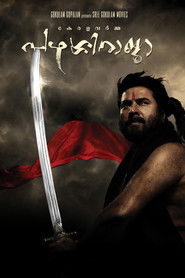
star 6.8The Spanish Civil War (1936-1939) caused a great impression on the lives of most of the American artists of that era, so many movies were made in Hollywood about it. The final defeat of the Spanish Republic left an open wound in the hearts of those who sympathized with its cause. The eventful life of screenwriter Alvah Bessie (1904-1985), one of the Hollywood Ten, serves to analyze this sadness, the tragedy of Spain and its consequences.Kerala Varma Pazhassi Raja
2009
star 6.9Set in the backdrop of the seventeenth century, the royal family of Kottayam is ruled by Pazhassi. The British government begins to impose heavy taxes on the locals in the Thalassery region of Kerala.Last Report on Anna
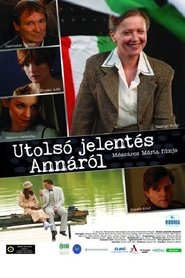
2009
Last Report on Anna
2009
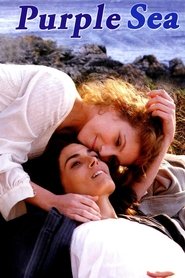
Péter, a literary critic, is tasked by the secret police to persuade Social Democratic politician, Anna Kéthly, who has been living in exile for decades, to return home.The Purple Sea
2009
The Purple Sea
2009
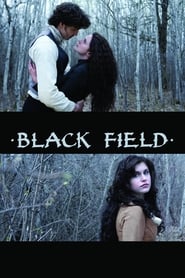
star 6.6Nothing - not her father, not the church - can stop unruly Angela from being with her childhood best friend turned great love, Sara. Based on a true story, Viola di Mare, presents a uniquely engaging portrait of family, community and gender roles in a 19th century Italian village.Black Field
2009
Black Field
2009
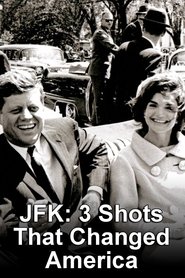
star 5.5A dark historical drama about two sisters, the man that comes between them, and the tragedy that results. Set in the 1870s.JFK: 3 Shots That Changed America
2009
star 7.7The film is an unnarrated collection of archived news and home movie footage shot as events unfolded, some of it rarely seen. Part one deals with the time from President Kennedy's arrival in Dallas on November 22, 1963 through the murder of Lee Harvey Oswald less than 48 hours later. Part two deals with the Warren Commission, its critics and those who suspect a conspiracy, the assassinations of Martin Luther King, Jr. and Robert F. Kennedy in 1968 and the turmoil that followed, and the continuing doubt about the assassinations and the effects this has had on American society.The Other Song
2009
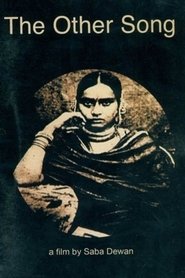
The Other Song
2009
Journeying across Varanasi, Lucknow, and Muzzafarpur in India, this documentary film traces the lost traditions and the culture of tawaifs (courtesans of North India), particularly through a song sung by Rasoolan Bai, "Lagat karejwa ma chot, phool gendwa na maar" and its lesser known, earlier version "Lagat jobanwa ma chot, phool gendwa na maar" (recorded in a 1935 Gramophone recording). Weaving the past with the present, the film spans between personal stories as it interacts with historical events, ultimately leading to the decline of a great art form.Wheedle's Groove
2009
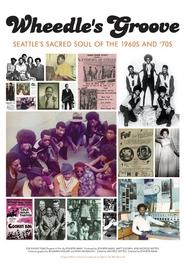
Wheedle's Groove
2009
During the late 60s and early 70s, and decades before Nirvana, Microsoft and Starbucks put Seattle on the map, Seattle's African American neighborhood known as the Central District was buzzing. The soul sounds filled local airwaves and packed clubs seven nights a week. As many of the bands began breaking out nationally via major record deals, television appearances, and gigs with the likes of Curtis Mayfield and Stevie Wonder, the public demanded disco and the scene slipped into obscurity. Narrated by Seattle's own Sir Mix-A-Lot.