New History Movies on Tubi TV - Page 59
All Services
Free Services
 Netflix
 Amazon Prime Video
 Apple iTunes
 Apple TV Plus
 Disney Plus
 Google Play Movies
 Paramount Plus
 Hulu
Hulu
 HBO Max
 YouTube
 fuboTV
 Peacock
 Peacock Premium
 Amazon Video
 The Roku Channel
 AMC+
AMC on Demand
AMC+
AMC on Demand
 Kocowa
 Hoopla
 The CW
 Vudu
Vudu
 Starz
Starz
 Showtime
 PBS
PBS
 Pantaflix
 FXNow
FXNow
 Tubi TV
 Kanopy
 Comedy Central
 Crunchyroll
 Microsoft Store
 Redbox
 Sun Nxt
 ABC
ABC
 DIRECTV
 Crackle
 Fandor
 Plex
Plex
Netflix
Amazon Prime Video
Apple iTunes
Apple TV Plus
Disney Plus
Google Play Movies
Paramount Plus
Hulu
HBO Max
YouTube
fuboTV
Peacock
Peacock Premium
Amazon Video
The Roku Channel
AMC+
AMC on Demand
Kocowa
Hoopla
The CW
Vudu
Starz
Showtime
PBS
Pantaflix
FXNow
Tubi TV
Kanopy
Comedy Central
Crunchyroll
Microsoft Store
Redbox
Sun Nxt
ABC
DIRECTV
Crackle
Fandor
Plex

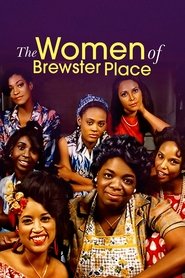
The Women of Brewster Place
1989
star 6.6A multigenerational story of the lives of several black women who call an inner-city tenement home.Shogun's Shadow
1989
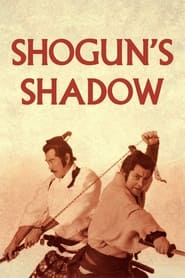
Shogun's Shadow
1989
star 7A shogun's eldest son must do whatever it takes to survive a series of attempts on his life. He receives much-needed aid from seven warriors who are led by a strong leader.The Notorious Bored Samurai 2
1988
The Satsuma clan conspires with key figures in the shogunate to overthrow the government. However, the head inspector, Naito Yamashiro no Kami, cannot find the sworn statement of rebellion and takes responsibility by ending his own life. This deeply affects Mondonosuke Saotome, who was close to Yamashiro no Kami and who is known for his restless nature. Seeking an audience with Shogun Tsunayoshi to request a view of the sworn statement, Mondonosuke Saotome is granted permission to go to Satsuma. He sets off on this journey accompanied by Sasao Kinai and Yamashiro no Kami's sister, Shizue . However, on the way, they are attacked by a group of mountain monks. Mondonosuke Saotome manages to repel the monks in a brawl but becomes separated from Kinai and Shizue. Afterward, he encounters a mysterious woman named Oren, and with her guidance, he finally arrives in Satsuma.Illustrious Energy
1988
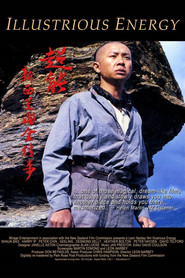
Illustrious Energy
1988
star 8.5Chan and his older mate Kim prospect for gold in 1890s Otago. Marooned until they can pay off their debts and return to China; they’ve been fruitlessly working their claim for 12 and 27 years respectively. Chan faces racism, isolation, extreme weather, threatening surveyors, opium dens and a circus romance.Eight Men Out
1988
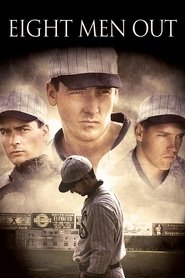
Eight Men Out
1988
star 6.9Buck Weaver and Hap Felsch are young idealistic players on the Chicago White Sox, a pennant-winning team owned by Charles Comiskey - a penny-pinching, hands-on manager who underpays his players and treats them with disdain. And when gamblers and hustlers discover that Comiskey's demoralized players are ripe for a money-making scheme, one by one the team members agree to throw the World Series. But when the White Sox are defeated, a couple of sports writers smell a fix and a national scandal explodes, ripping the cover off America's favorite pastime.The Notorious Bored Samurai
1988
star 10Mondosuke ventures alone into the land of Nagasaki. There, he encounters young lady named Kinue, the daughter of Nagasaki's former magistrate office constable, Shusuke Kaneko. Monsuke has received information that Shusuke has been captured on charges of embezzlement, prompting him to head to the magistrate's office. However, the arrival of the Chief Inspector, Shigehide Ogiwara , obstructs Monsuke's actions.April Morning
1988
The Attic: The Hiding of Anne Frank
1988
star 6.5During the Nazi occupation of Amsterdam, Otto Frank decides to hide his family, who are Jewish, after his daughter Margot is called to appear for transport to a Nazi labour camp. Miep Gies, Otto Frank's office assistant hides them in the attic above the office. The film tells the true story of Gies' struggle to keep the family hidden and safe, as the Nazis turn Amsterdam upside-down. Based upon Gies' memoirs and Anne Frank's famous diary.Lena: My 100 Children
1987
star 7Lena Kuchler, a Holocaust survivor, searches a Polish refugee camp for lost family members in the months after the war but instead finds 100 starving children with nowhere to go and nobody who wants them. She takes it upon herself to care for them, leading first to an isolated retreat, where they encounter antisemitic violence, and ultimately, to an exodus to Palestine.Vincent
1987
Vincent
1987
star 6.4A biography of Vincent van Gogh using only images and the letters he wrote to his brother Theo.A Month in the Country
1987
star 6.3A destitute WWI veteran is hired to help carry out restoration work on a medieval mural in a rural Yorkshire church. While living in the quiet village, he forms a close friendship with an archaeologist and begins to come to terms with his trauma.The Happy Valley
1987
The Happy Valley
1987
star 5.8In 1940 Kenya as their country prepares for war, the local aristocratic social set lives a decadent, self-indulgent lifestyle, that leads to murder. The same events were also dramatised in the feature film White Mischief, which was released seven months after the first transmission of The Happy Valley.Gardens of Stone
1987
Gardens of Stone
1987
star 6.2At Arlington National Cemetery during the Vietnam era, veteran sergeant Clell Hazard trains young soldiers while mourning those lost in combat. Unable to return to war himself, he mentors Jackie Willow—the idealistic son of a fallen comrade—hoping to prepare him for the realities of Vietnam and the cost of duty.Bloopermania
1987
Bloopermania
1987
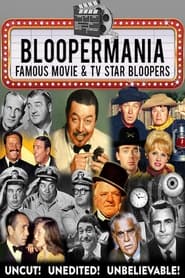
Bloopermania is a side-splitting romp through Hollywood’s lost film vaults of outtakes brimming with “more stars than there are in heaven”. Literally right off the cutting room floor comes this raw, uncluttered footage as you’ve never seen it before. See: Rod Serling screw up a Twilight Zone intro. Soupy Sales’ nude girl prank, W.C Fields’ earthquake blooper, Lou Costello pulls a surprise out of his pants, Boris Karloff blows his scenes, Charlie Chan curses, Errol Flynn falls off his horse, Ronald Reagan uncensored, McHale’s Navy & F-Troop guys engage in politically incorrect humor, Goofs from Laugh-In, TV westerns like Gunsmoke, & much more!Warrior Queen
1987
Warrior Queen
1987
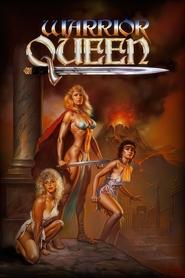
star 3.5In ancient Pompeii, slaves are bought and sold for household chores and sex. A mysterious queen moves among the elite, meantime secretly helping the slaves to escape. Eventually her life is also in jeopardy, and as the volcano erupts she and the slaves attempt to escape while being chased by the military.Herschel and the Music of the Stars
1986
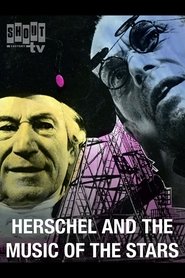
Not far from Windsor Castle, the Austrian composer Joseph Haydn visits the German astronomer Friedrich W. Herschel in the summer of 1792. But what begins as an informal afternoon ends in disaster for Haydn: his traditional world view is shaken by Herschel's cosmic experiences.Consider It All Joy
1986
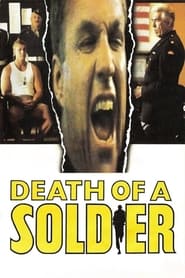
Death of a Soldier
1986
Death of a Soldier
1986
star 1.7Based on a true story, James Coburn portrays a military lawyer assigned to defend a confessed psychotic killer. Set in the context of WWII and the uneasy US-Australian military alliance. The accused killer claims to have killed 3 women in order to possess their voices. Despite the defense lawyer's concerns that the killer is not fit to stand trial, the US military presses forward with the case and its desire to have the killer executed in order to strengthen the shaky alliance.Miracle at Moreaux
1986
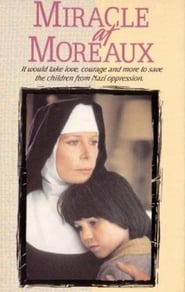
Miracle at Moreaux
1986
star 6On a December night in 1943, three Jewish children escape from Nazi-occupied France and are given refuge by Sister Gabrielle at a Catholic school in which the Gentile students must face their fears about harboring Jews from the Nazis. As the students become acquainted with their Jewish peers, they grow more sympathetic to their situation and eventually go to great lengths -- and take serious risks -- to save the lives of their newfound friends.God's Outlaw
1986
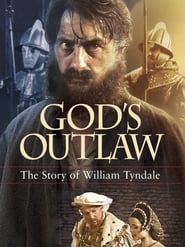
God's Outlaw
1986
star 6.5A dramatized biography of William Tyndale, the 16th Century reformer determined to translate the Bible into English, which illegal act set him at odds with the Catholic Church, Sir Thomas More and King Henry VIII.