New War Politics TV Shows - Page 110
All Services
Free Services
 Netflix
 Amazon Prime Video
 Apple iTunes
 Apple TV Plus
 Disney Plus
 Google Play Movies
 Paramount Plus
 Hulu
Hulu
 HBO Max
 YouTube
 fuboTV
 Peacock
 Peacock Premium
 Amazon Video
 The Roku Channel
 AMC+
AMC on Demand
AMC+
AMC on Demand
 Kocowa
 Hoopla
 The CW
 Vudu
Vudu
 Starz
Starz
 Showtime
 PBS
PBS
 Pantaflix
 FXNow
FXNow
 Tubi TV
 Kanopy
 Comedy Central
 Crunchyroll
 Microsoft Store
 Redbox
 Sun Nxt
 ABC
ABC
 DIRECTV
 Crackle
 Fandor
 Plex
Plex
Netflix
Amazon Prime Video
Apple iTunes
Apple TV Plus
Disney Plus
Google Play Movies
Paramount Plus
Hulu
HBO Max
YouTube
fuboTV
Peacock
Peacock Premium
Amazon Video
The Roku Channel
AMC+
AMC on Demand
Kocowa
Hoopla
The CW
Vudu
Starz
Showtime
PBS
Pantaflix
FXNow
Tubi TV
Kanopy
Comedy Central
Crunchyroll
Microsoft Store
Redbox
Sun Nxt
ABC
DIRECTV
Crackle
Fandor
Plex

Andersonville
1996
Andersonville
1996
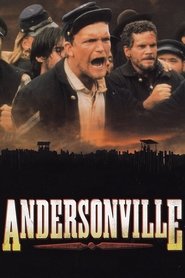
star 6The story of the harrowing conditions at the Confederacy's most notorious prisoner-of-war camp. The drama unfolds through the eyes of a company of Union soldiers captured at the Battle of Cold Harbor, VA, in June 1864, and shipped to the camp in southern Georgia. A private, Josiah Day, and his sergeant try to hold their company together in the face of squalid living conditions, inhumane punishments, and a gang of predatory fellow prisoners called the Raiders.Brave Command Dagwon
1996
Brave Command Dagwon
1996
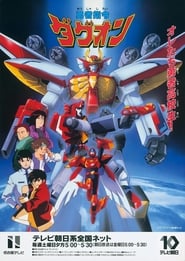
star 9Brave Command Dagwon is a Japanese anime series begun in 1996, created by Takara and Sunrise under the direction of Tomomi Mochizuki (who also did screenplay for the show) and was the seventh and penultimate entry in the Brave (Yūsha) franchise.Mobile Suit Gundam: The 08th MS Team
1996
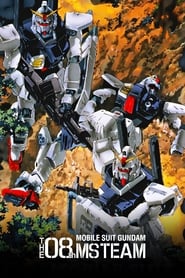
star 8.1Ensign Shiro Amada is transferred to Southeast Asia to take command of the 08th MS Team. In their first guerilla operation, Shiro's team is tasked with distracting the Zeon forces while Federation ground troops locate a mysterious new Zeon weapon.The Excavator
1996
The Excavator
1996
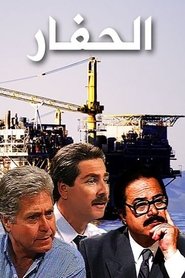
As the Israeli forces occupy Sinai prior to the War of Attrition, they use an excavator to dig deep in the land, under the pretext they're searching for oil. When the Egyptian authorities discover their true intentions, they try to stop the excavator from reaching Bab El-Mendab.Our Friends in the North
1996
star 7.4An epic tale of a changing Britain over four decades, seen through the eyes of four friends.Spywatch
1996
Spywatch
1996
Spywatch is a story produced by the BBC as part of the Look and Read series. It originally aired from January to March 1996. Its main educational focus was World War II.Hideyoshi
1996
Hideyoshi
1996
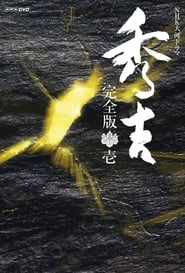
star 9.5A dramatized biography of the second of Japan's three legendary leaders. Rising from obscurity, Hideyoshi served under the command of Oda Nobunaga. With an extraordinary combination of intelligence, bravery and military skill, Hideyoshi rose to near-absolute power and greatly expanded upon Nobunaga's unification of Japan's warlords. This series also focused on Hideyoshi's personal life, particularly his relationships with his mother and his wife, and the pair's rivalry for influence over him.United Brothers
1996
United Brothers
1996
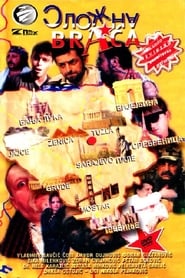
star 7.4Taking place just after the end of Bosnian War, the series is mostly set in a kafana named Složna braća owned by Halimić brothers and located on a small patch of UN-controlled territory (covering 0.0657 km2) not claimed by any of the three warring sides. Serbs, Bosniaks, and Croats, otherwise very hostile to each other following a ferocious civil war, regularly visit the said kafana in no man's land in order to arrange mutual black market activities (weapons and food trade, oil and cigarette smuggling, etc.). When the word gets around about an important weapons shipment passing through the territory that can supposedly completely change the division of power in the Balkans, the place becomes a lively hub of espionage, deal making, and skulduggery.谍影杀机
1996
谍影杀机
1996
远东阴谋
1996
远东阴谋
1996
Warbirds of World War II
1996
From the Battle of Britain to the Dresden bombings, some of the most intense combat of World War II occurred in the airspaces over Europe. This multi-volume box set offers a comprehensive account of the aircraft that helped bring the Allies to victory, including the B-17 Flying Fortress, the B-24 Liberator, the P-51 Mustang, and many more.共和国战争
1996
共和国战争
1996
Xi Shi
1996
Xi Shi
1996
天地奇英花木兰
1996
天地奇英花木兰
1996
边关烟雨
1996
边关烟雨
1996
隋唐演义
1996
隋唐演义
1996
The Final Cut
1995
The Final Cut
1995
star 7.6Urquhart aims to secure his legacy on the international stage, but faces threats both from abroad and closer to home.The Death of Yugoslavia
1995
star 7.2The Death of Yugoslavia is a BAFTA-award winning BBC documentary series first broadcast in 1995. It covers the collapse of the former Yugoslavia. It is notable in its combination of never-before-seen archive footage interspersed with interviews of most of the main players in the conflict, including Slobodan Milošević, the then President of Serbia. Norma Percy won the 1996 BAFTA TV Award for 'Best Factual Series' for the documentary. However, it has been argued that it presents a potentially slightly biased point-of-view; for instance during the trial of Milošević before the ICTY in The Hague, Judge Bonomy called the nature of much of the commentary "tendentious" (partisan).