New War Politics TV Shows - Page 91
All Services
Free Services
 Netflix
 Amazon Prime Video
 Apple iTunes
 Apple TV Plus
 Disney Plus
 Google Play Movies
 Paramount Plus
 Hulu
Hulu
 HBO Max
 YouTube
 fuboTV
 Peacock
 Peacock Premium
 Amazon Video
 The Roku Channel
 AMC+
AMC on Demand
AMC+
AMC on Demand
 Kocowa
 Hoopla
 The CW
 Vudu
Vudu
 Starz
Starz
 Showtime
 PBS
PBS
 Pantaflix
 FXNow
FXNow
 Tubi TV
 Kanopy
 Comedy Central
 Crunchyroll
 Microsoft Store
 Redbox
 Sun Nxt
 ABC
ABC
 DIRECTV
 Crackle
 Fandor
 Plex
Plex
Netflix
Amazon Prime Video
Apple iTunes
Apple TV Plus
Disney Plus
Google Play Movies
Paramount Plus
Hulu
HBO Max
YouTube
fuboTV
Peacock
Peacock Premium
Amazon Video
The Roku Channel
AMC+
AMC on Demand
Kocowa
Hoopla
The CW
Vudu
Starz
Showtime
PBS
Pantaflix
FXNow
Tubi TV
Kanopy
Comedy Central
Crunchyroll
Microsoft Store
Redbox
Sun Nxt
ABC
DIRECTV
Crackle
Fandor
Plex

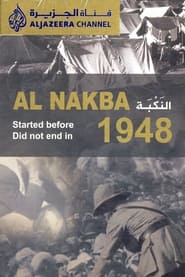
Al-Nakba (The Catastrophe)
2008
star 10For Palestinians, 1948 marks the “Nakba” or “catastrophe”, when hundreds of thousands were forced out of their homes. For Israelis, the same year marks the creation of their own state. This four-part series attempts to present an understanding of the events of the past that are still shaping the present.Vietnam America's Conflict
2008
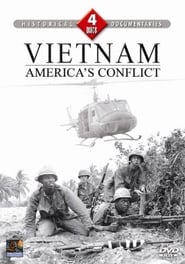
Be an eyewitness to the conflict that divided our nation and changed the very fabric of society. This collection of harrowing and compelling footage traces the evolution of this conflict from a regional military engagement to an ever-expanding war that ultimately spanned three U.S. Presidents. From strategic political move to the immediacy of jungle warfare and the weapons with which the war was waged, Vietnam: America"s Conflict captures the sweep of history and the agony of a generation.隋炀帝
2008
隋炀帝
2008
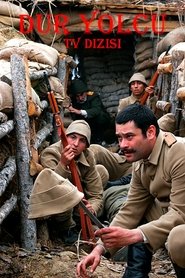
Dur Yolcu
2008
Dur Yolcu
2008
狐步谍影
2008
狐步谍影
2008
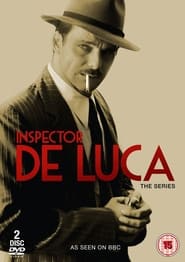
Inspector De Luca
2008
Inspector De Luca
2008
star 6.5Between 1938 and 1948, from the height of Italy s Fascist regime to the end of the tumultuous post-war period, Chief Detective De Luca investigates and solves crimes in the City of Bologna and along the Adriatic coast. With little or no regard for those in power, whoever they happen to be, his solitary, uncompromising character often lands him in trouble, but his respect is reserved for the truth and justice alone. In the four TV movies of the series Unauthorized Investigation , Carte Blanche , The Damned Season and Via Della Oche each taken from a novel by best-selling mystery Carlo Lucarelli Chief Detective De Luca always ultimately gets to the bottom of his cases, though what he finds leaves a bitter aftertaste.Paz
2008
Paz
2008
The life of a man from an aristocratic family that faces love and death during the Saltpeter War.Apostle
2008
Apostle
2008
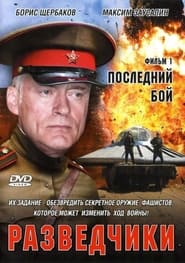
star 6.4At the beginning of the war, the Germans throw their saboteur into the USSR. The landing is unsuccessful - the spy is captured by the NKVD. When trying to escape, a saboteur who turned out to be a Russian thief in law, accidentally remaining in the occupied territory, dies. In order to find the other spies involved in the operation, the security officers have to turn to the criminal's twin brother, a rural teacher. He takes the place of the deceased in the German intelligence network and enters into a deadly game...Blassreiter
2008
Blassreiter
2008
star 5.6The story is set in a fictional Germany and centers around the outbreak of bio-mechanical creatures named "Demoniacs", who rise from corpses and attack people mindlessly. All the while, a number of human-turned-Demoniacs appear. Some use their powers for good whilst others for evil. One will rise above all other Demoniacs to become the "Blassreiter".Tirsdagsanalysen
2008
Tirsdagsanalysen
2008
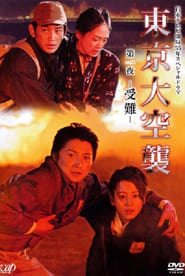
Tokyo Air Raid
2008
Tokyo Air Raid
2008
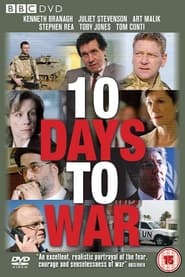
star 7When Sakuragi Haruko's father's factory is bombed, Oba Hiroto stops Haruko when she tries to rescue her father from the fire. They meet again a few years later when Haruko is working as a nurse and Hiroto is brought in as a patient with a heart condition. The second couple is a Korean man, Boku Hitoshi, and another nurse, Yamada Kazue10 Days to War
2008
Video Encyclopedia of World War Two
2008
As morning broke on the 1st of September 1939 and the first invasion force of German troops crossed the Polish border, few could have imagined the sheer scale of devastation, misery and bloodshed that the following years of war would bring. World War II saw the mobilisation of over 100 million military personnel as all corners of the globe were thrown into a state of 'total war', where each nation involved drained every resource at their disposal - human, natural, economic, industrial and military. The result was the conflict to end all conflicts. With over 500 minutes of footage, this gripping documentary series covers all the major events, people and machinery involved in the 20th Century's most terrible conflict and examines the roles of all three branches of the armed forces - navy, air force and army.仁者无敌
2008
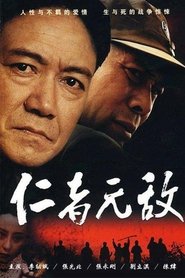
仁者无敌
2008
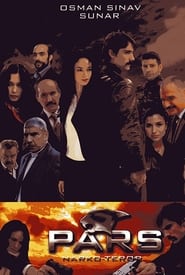
During the Chinese Civil War, Du Xiumei leads a Red Army guerrilla group against Nationalist forces in the Silver River region. Amidst betrayal and mysterious deaths, local figure Pi Degui, with hidden loyalties, risks everything to aid the revolution and protect his comrades.Pars: Narkoterör
2008
9th May. Personal Attitude
2008
A series of short films about the war, shot by young directors. Each of them had to fit their personal attitude to the Great Patriotic War into three minutes of screen time.血色湘西
2007
血色湘西
2007
The Blair Years
2007