New Animation TV Shows on Apple iTunes - Page 89
All Services
Free Services
 Netflix
 Amazon Prime Video
 Apple iTunes
 Apple TV Plus
 Disney Plus
 Google Play Movies
 Paramount Plus
 Hulu
Hulu
 HBO Max
 YouTube
 fuboTV
 Peacock
 Peacock Premium
 Amazon Video
 The Roku Channel
 AMC+
AMC on Demand
AMC+
AMC on Demand
 Kocowa
 Hoopla
 The CW
 Vudu
Vudu
 Starz
Starz
 Showtime
 PBS
PBS
 Pantaflix
 FXNow
FXNow
 Tubi TV
 Kanopy
 Comedy Central
 Crunchyroll
 Microsoft Store
 Redbox
 Sun Nxt
 ABC
ABC
 DIRECTV
 Crackle
 Fandor
 Plex
Plex
Netflix
Amazon Prime Video
Apple iTunes
Apple TV Plus
Disney Plus
Google Play Movies
Paramount Plus
Hulu
HBO Max
YouTube
fuboTV
Peacock
Peacock Premium
Amazon Video
The Roku Channel
AMC+
AMC on Demand
Kocowa
Hoopla
The CW
Vudu
Starz
Showtime
PBS
Pantaflix
FXNow
Tubi TV
Kanopy
Comedy Central
Crunchyroll
Microsoft Store
Redbox
Sun Nxt
ABC
DIRECTV
Crackle
Fandor
Plex

Wacky Races
1968
Wacky Races
1968
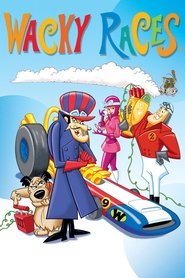
star 7.3Wacky Races is an animated television series produced by Hanna-Barbera that originally aired in 1968. The show is a parody of traditional car races, featuring a variety of eccentric characters and their outlandish vehicles, all racing across different terrains in a madcap competition for first place. The series is centered around a group of 11 racers, each with their own unique vehicle and distinct personality. The main characters include Dick Dastardly and his dog Muttley, who are always trying to cheat and sabotage the other competitors, although they never succeed. Other notable racers include Penelope Pitstop, the glamorous but tough driver; the adventurous Red Max; and the lovable duo, the Slag Brothers, who drive a massive, rock-like car.Speed Racer
1967
Speed Racer
1967
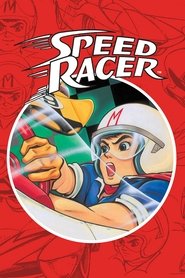
star 7.5Speed Racer is a teenage driver who races around the world in his super-technological car, the Mach 5, created by his father, a former racer. The car has several special features that help Speed tackle difficult terrain and get rid of dishonest opponents—which happens frequently. He experiences these adventures alongside his girlfriend Trixie, his younger brother Spridle, and his pet monkey, Chim-Chim. Together, they face thrilling challenges and show that courage and fair play make all the difference.Aquaman
1967
Aquaman
1967
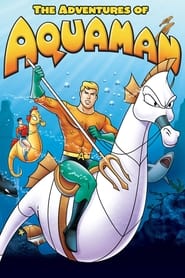
star 7.2Aquaman is a Filmation animated series that premiered on CBS on September 9, 1967, and ended June 1970. It is a 30-minute version of The Superman/Aquaman Hour of Adventure, repackaged without the Superman and Superboy segments. The show is composed of previously-aired adventures featuring the DC Comics superheroes Aquaman and his sidekick Aqualad, the Atom, the Flash and Kid Flash, the Green Lantern and Hawkman. The Justice League of America and Teen Titans are also featured in team adventures.Moby Dick and Mighty Mightor
1967
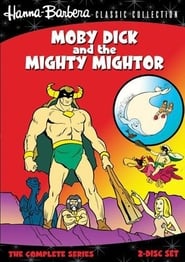
star 6.8Moby Dick and Mighty Mightor is a science fiction animated series created by Alex Toth for Hanna-Barbera Productions, which ran on CBS from 1967 to 1969. Despite Moby's name coming first, he had only one short per half-hour episode, sandwiched between two with Mightor; the same structure was used the previous season for H-B's Frankenstein, Jr. and The Impossibles.Birdman and the Galaxy Trio
1967
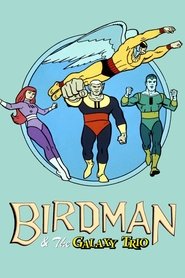
star 7.3Granted the power and wings of an eagle by high priests, Birdman defends the rights of mankind across the universe accompanied by his constant companion, an eagle named Avenger.Professor Balthazar
1967
Professor Balthazar
1967
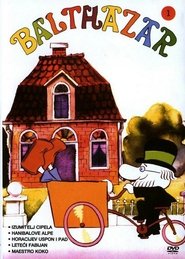
With his inventions, Baltazar is always happy to help his fellow villagers out of all sorts of problems. In his colorful laboratory, very unusual inventions are created every day.Space Ghost & Dino Boy
1966
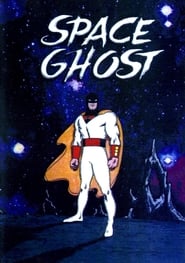
Space Ghost is an American Saturday-morning superhero animated television series produced by Hanna-Barbera Productions, first broadcast on CBS from September 10, 1966, to September 16, 1967, and continued reruns until September 7, 1968. The series was composed of two unrelated segments, Space Ghost and Dino Boy in the Lost Valley. The series was created by Alex Toth and produced and directed by William Hanna and Joseph Barbera. Sometimes, it is alternatively called Space Ghost & Dino Boy to acknowledge the presence of both showsMarine Boy
1966
Marine Boy
1966
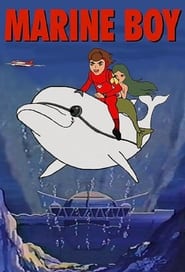
star 4Marine Boy was one of the first color anime cartoons to be shown in a dubbed form in the U.S., and later in Australia and the United Kingdom. It was originally produced in Japan as Undersea Boy Marine by Minoru Adachi and animation company Japan Tele-Cartoons. It was sold outside of Japan via K. Fujita Associates Inc., with Warner Bros / Seven Arts Television handling worldwide distribution of the English-language version.The New Adventures of Superman
1966
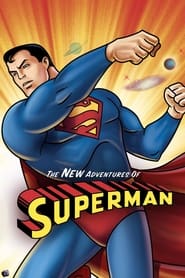
star 6The New Adventures of Superman is a series of six-minute animated Superman adventures produced by Filmation that were broadcast on CBS between 1966 and 1970. The 68 segments appeared as part of three different programs during that time, packaged with similar shorts featuring The Adventures of Superboy and other DC Comics superheroes.Space Ghost and Dino Boy
1966
star 7.5Intergalactic policeman Space Ghost navigates the cosmos in his tricked-out spaceship, The Phantom Cruiser, battling villains like Brak and Zorak in his legendary suit and powerful wristbands. Dino Boy teams with caveman Ugh and dinosaur Bronty to go primeval on the ancient menaces of their primitive home.Frankenstein, Jr. and The Impossibles
1966
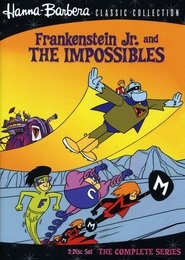
star 6.8Boy genius Buzz Conroy’s powerful robot, Frankenstein Jr. cranks into action along with a group of crime fighting superheroes disguised as a beatnik rock group, The Impossibles, making hot-rockin’ musical justice!The Atom Ant Show
1965
The Atom Ant Show
1965
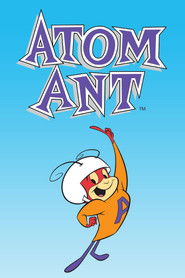
star 7.3Operating out of his private anthill, the formidable Atom Ant picks up distress calls via his built-in antennae and heads out to battle a fearsomely delightful array of dastards including Bug Fat Dynamo, Crankenshaft, M.D. and his arch-nemesis Ferocious Flea. Sharing screen time with our hero are Precious Pupp, a rascal of a mutt who hides his antics from the kindly Granny Sweets and the Hillbilly Bears, the most ridiculous bears to ever come from the Blue Ridge Mountains.The Secret Squirrel Show
1965
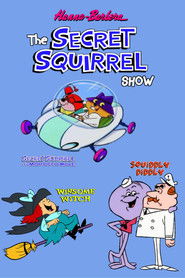
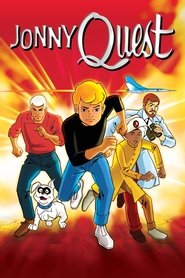
star 7.4The half-hour The Secret Squirrel Show included three individual cartoon segments: "Secret Squirrel", "Squiddly Diddly" and "Winsome Witch".Jonny Quest
1964
The Jetsons
1962
The Jetsons
1962
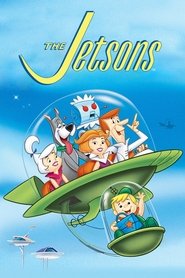
star 7.3Meet George Jetson and his quirky family: wife Jane, son Elroy and daughter Judy. Living in the automated, push-button world of the future hasn't made life any easier for the harried husband and father, who gets into one comical misadventure after another!Top Cat
1961
Top Cat
1961
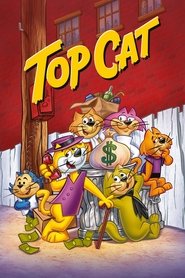
star 7.5Top Cat, known as T.C. to his alley cat friends, is a mischievous prankster who lives in a trash can in the alley ways of New York City. He and his alley-cat cohorts think of get rich schemes and assorted pranks which are mostly involving and aimed at Officer Dibble, their nemesis and friend. T.C. manages to get out of his tight situations with hilarity and charm and even helps Dibble on occasion who is underscored by his overbearing sergeant...Yakky Doodle (1961)
1961
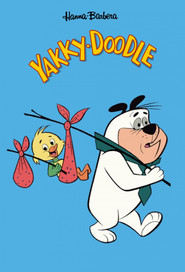
Yakky Doodle (1961)
1961
Snagglepuss
1961
Snagglepuss
1961
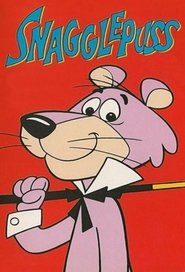
star 7.3Despite being a mountain lion, Snagglepuss is a rather sophisticated individual who merely seeks to better himself and his living situation. He lives in a damp and dark cavern, which isn’t too comfortable for someone of his standing. Unfortunately for him, life isn’t always fair for a mountain lion and he has to constantly ward off hunters, and some people refuse to talk to him because they’re afraid that he’ll eat them, not that he would do such a thing. Through it all, Snagglepuss’ life is one bizarre twist after another, and even though he’s a swell guy, the civilized world seldom wants anything to do with him.The Yogi Bear Show
1961
The Yogi Bear Show
1961
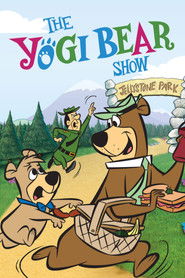
star 7.1From his home in Jellystone Park, Yogi Bear dreams of nothing more in life than to outwit as many unsuspecting tourists as he can and grab their prized picnic baskets all while staying one step ahead of the ever-exasperated Ranger Smith. Yogi's little buddy, Boo-Boo, tries to keep Yogi out of trouble but rarely succeeds. That's okay because not even Ranger Smith can stay mad for long at the lovable, irresistible Yogi Bear.The Bugs Bunny Show
1960
The Bugs Bunny Show
1960
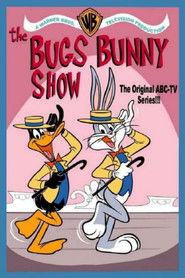
star 8The Bugs Bunny Show The Bugs Bunny Show is an Animated television anthology series hosted by Bugs Bunny, that was mainly composed of Looney Tunes and Merrie Melodies cartoons released by Warner Bros. between August 1, 1948 and the end of 1969. The show originally debuted as a primetime half-hour program on ABC in 1960, featuring three theatrical Warner Bros. Cartoons with new linking sequences produced by the Warner Bros. After three seasons, The Bugs Bunny Show moved to Saturday mornings, where it remained in one format or another for nearly four decades. The show's title and length changed regularly over the years, as did the network: both ABC and CBS broadcast versions of The Bugs Bunny Show.