New Drama TV Shows on The Roku Channel - Page 67
All Services
Free Services
 Netflix
 Amazon Prime Video
 Apple iTunes
 Apple TV Plus
 Disney Plus
 Google Play Movies
 Paramount Plus
 Hulu
Hulu
 HBO Max
 YouTube
 fuboTV
 Peacock
 Peacock Premium
 Amazon Video
 The Roku Channel
 AMC+
AMC on Demand
AMC+
AMC on Demand
 Kocowa
 Hoopla
 The CW
 Vudu
Vudu
 Starz
Starz
 Showtime
 PBS
PBS
 Pantaflix
 FXNow
FXNow
 Tubi TV
 Kanopy
 Comedy Central
 Crunchyroll
 Microsoft Store
 Redbox
 Sun Nxt
 ABC
ABC
 DIRECTV
 Crackle
 Fandor
 Plex
Plex
Netflix
Amazon Prime Video
Apple iTunes
Apple TV Plus
Disney Plus
Google Play Movies
Paramount Plus
Hulu
HBO Max
YouTube
fuboTV
Peacock
Peacock Premium
Amazon Video
The Roku Channel
AMC+
AMC on Demand
Kocowa
Hoopla
The CW
Vudu
Starz
Showtime
PBS
Pantaflix
FXNow
Tubi TV
Kanopy
Comedy Central
Crunchyroll
Microsoft Store
Redbox
Sun Nxt
ABC
DIRECTV
Crackle
Fandor
Plex

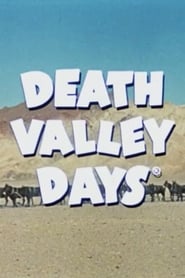
Death Valley Days
1952
Death Valley Days
1952
star 6.4Death Valley Days is an American radio and television anthology series featuring true stories of the old American West, particularly the Death Valley area. Created in 1930 by Ruth Woodman, the program was broadcast on radio until 1945 and continued from 1952 to 1970 as a syndicated television series, with reruns continuing through August 1, 1975. The series was sponsored by the Pacific Coast Borax Company and hosted by Stanley Andrews, Ronald Reagan, Robert Taylor, and Dale Robertson. With the passing of Dale Robertson in 2013, all the former Death Valley Days hosts are now deceased.Four Star Playhouse
1952
Four Star Playhouse
1952
star 6.7Four Star Playhouse is an American television anthology series that ran from 1952 to 1956, sponsored in its first bi-weekly season by The Singer Company; Bristol-Myers became an alternate sponsor when it became a weekly series in the fall of 1953. The original premise was that Charles Boyer, Ida Lupino, David Niven, and Dick Powell would take turns starring in episodes. However, several other performers took the lead from time to time, including Ronald Colman and Joan Fontaine. Blake Edwards was among the writers and directors who contributed to the series. Edwards created the recurring character of illegal gambling house operator Willie Dante for Dick Powell to play on this series. The character was later revamped and spun off in his own series starring Howard Duff, then-husband of Lupino. The pilot for Meet McGraw, starring Frank Lovejoy, aired here, as did another episode in which Lovejoy recreated his role of Chicago newspaper reporter Randy Stone, from the radio drama Nightbeat.Dragnet
1951
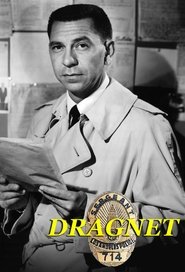
Dragnet
1951
star 6.4Follows the cases of a dedicated Los Angeles police detective, Sergeant Joe Friday, and his partners. The show takes its name from the police term "dragnet", meaning a system of coordinated measures for apprehending criminals or suspects.Suspense
1949
Suspense
1949
star 4.9An anthology series adapted from the radio program of the same name. Like the radio program, many scripts were adaptations of literary classics by well-known authors. Classic authors such as Edgar Allan Poe, Agatha Christie, and Charles Dickens all had stories adapted for the series, while contemporary authors such as Roald Dahl and Gore Vidal also contributed.