Popular History Movies on Amazon Prime Video - Page 36
All Services
Free Services
 Netflix
 Amazon Prime Video
 Apple iTunes
 Apple TV Plus
 Disney Plus
 Google Play Movies
 Paramount Plus
 Hulu
Hulu
 HBO Max
 YouTube
 fuboTV
 Peacock
 Peacock Premium
 Amazon Video
 The Roku Channel
 AMC+
AMC on Demand
AMC+
AMC on Demand
 Kocowa
 Hoopla
 The CW
 Vudu
Vudu
 Starz
Starz
 Showtime
 PBS
PBS
 Pantaflix
 FXNow
FXNow
 Tubi TV
 Kanopy
 Comedy Central
 Crunchyroll
 Microsoft Store
 Redbox
 Sun Nxt
 ABC
ABC
 DIRECTV
 Crackle
 Fandor
 Plex
Plex
Netflix
Amazon Prime Video
Apple iTunes
Apple TV Plus
Disney Plus
Google Play Movies
Paramount Plus
Hulu
HBO Max
YouTube
fuboTV
Peacock
Peacock Premium
Amazon Video
The Roku Channel
AMC+
AMC on Demand
Kocowa
Hoopla
The CW
Vudu
Starz
Showtime
PBS
Pantaflix
FXNow
Tubi TV
Kanopy
Comedy Central
Crunchyroll
Microsoft Store
Redbox
Sun Nxt
ABC
DIRECTV
Crackle
Fandor
Plex

What Was Virginia Woolf Really Afraid of?
2020
star 6A look back at the troubled life of genius British writer Virginia Woolf (1882-1941).Dinosaurs in the Outback
2016
star 6Dinosaurs in the Outback features the often dramatic evidence which proves that Australia was once a place where dinosaurs roamed in vast numbers.Lost Treasures of the Silk Road
2013
star 6China, the “Middle Kingdom,” has long been thought to have developed independently from the West. Mighty mountains and the inhospitable Taklamakan formed insurmountable barriers. But the belief in China’s isolation has been challenged by surprising discoveries. Mummies from the Bronze Age are turning this assumption upside down and recasting the cultural relationship between east and west.White Savior: Racism in The American Church
2019
star 3.5The 2008 election of Barack Obama led many to believe we had entered a post-racial America, one in which the nation's traumatic and painful history of racism had finally been erased. In the years since, it's become increasingly clear that the deep roots of racism and white supremacy continue to run through our political, cultural, and religious institutions. Based on interviews and current research, the documentary film White Savior explores the historic relationship between racism and American Christianity, the ongoing segregation of the church in the US, and the complexities of racial reconciliation. Featuring interviews with Lenny Duncan, Soong Chan Rah, Jacqueline Woodson, Jim Bear Jacobs, Dominique Gilliard, and more.The Light of Freedom
2013
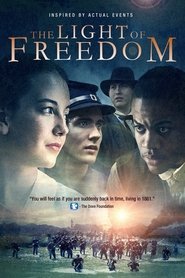
The Light of Freedom
2013
It is the year 1861 and President Lincoln has called for 75,000 men to join the Union Army. As the Civil War begins, another battle has been raging for decades. It is the fight for freedom waged by the Underground Railroad.Submerged History: Stilt Houses in Europe
2013
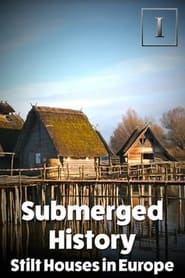
Take a journey 6000 years back in time to the late Neolithic and early Bronze ages, which is when the first over-water settlements on stilts, which are described here, were built.The Black Kung Fu Experience
2012
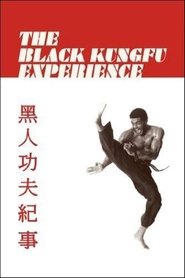
star 4.8This film focuses on how a group of African American pioneers became respected masters in a subculture dominated by Chinese and white men.Queen Victoria: Secrets of a Queen
2017
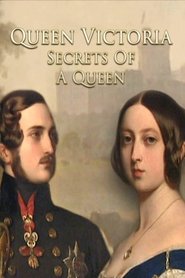
star 7A concise & informative biography that is an overview of Queen Victoria’s life from infancy to death.The Norse: An Arctic Mystery
2012
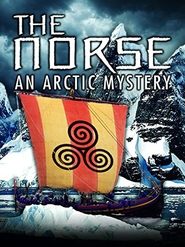
star 7The history books say that the first European to make contact with Native Americans was Christopher Columbus. New evidence tells a different story, that another civilization arrived in the New World centuries earlier. They were the Norse, a seafaring people who originated in the Scandinavian countries of Denmark, Norway and Sweden. They bore the name Viking, an "Old Norse" term for a pirate raid.Life Is Wonderful: Mandela’s Unsung Heroes
2018
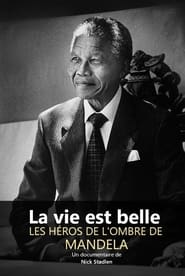
star 8Discover the story behind the infamous Rivonia Trial, where Mandela and his co-defendants fought for the freedom of South Africa, in this new film. Directed by former high court judge Sir Nick Stadlen, the film follows the 10 leading opponents of apartheid and their lawyers and supporters through the trial. It is an inspiring story of immense courage and self-sacrifice on the part of a small group of multiracial idealists. Though the defendants were saved from the death penalty, eight of the ten were sentenced to life imprisonment, Mandela among them. When Mandela was released 27 years later, he had a vision of multiracial democracy for South Africa.Seven Wonders of the Buddhist World
2011
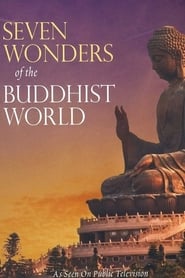
star 6.1In this fascinating documentary, historian Bettany Hughes travels to the seven wonders of the Buddhist world.Her journey begins at the Mahabodhi Temple in India, where Buddhism was born; here Hughes examines the foundations of the belief system - the three jewels.At Nepal's Boudhanath Stupa, she looks deeper into the concept of dharma - the teaching of Buddha, and at the Temple of the Tooth in Sri Lanka, Bettany explores karma, the idea that our intentional acts will be mirrored in the future.At Wat Pho Temple in Thailand, Hughes explores samsara, the endless cycle of birth and death that Buddhists seek to end by achieving enlightenment, before travelling to Angkor Wat in Cambodia to learn more about the practice of meditation.In Hong Kong, Hughes visits the Giant Buddha and looks more closely at Zen, before arriving at the final wonder, the Hsi Lai temple in Los Angeles, to discover more about the ultimate goal for all Buddhists - nirvana.Fighting for King and Empire: Britain's Caribbean Heroes
2015
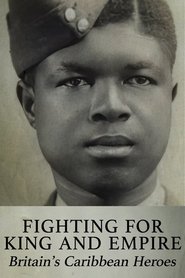
During the Second World War, thousands of men and women from the Caribbean colonies volunteered to come to Britain to join the fight against Hitler. They risked their lives for king and empire, but their contribution has largely been forgotten. Some of the last surviving Caribbean veterans tell their extraordinary wartime stories - from torpedo attacks by German U-boats and the RAF's blanket-bombing of Germany to the culture shock of Britain's freezing winters and war-torn landscapes. This brave sacrifice confronted the pioneers from the Caribbean with a lifelong challenge - to be treated as equals by the British government and the British people. With vivid first-hand testimony, observational documentary and rare archive footage, the programme gives a unique perspective on the Second World War and the history of 20th-century Britain.Great Battles of WWII: Midway, Kursk, and Crete
2004
Using authentic color and black & white footage captured from the battles this explains the events, circumstances, and results of three of the most important battles of WWII -- the battles of Midway, Kursk, and Crete.Marco Polo: The China Mystery Revealed
2004
star 5.5Marco Polo became a legend after his epic, 24 year trek across Asia. Was he the world's greatest overland explorer? Or the biggest liar? National Geographic's own legend, Michael Yamashita, used Polo's book as a guide to find the truth.William The Conqueror
2013
star 1Blending drama with the explanations of passionate historians and specialists, this enriched historical reconstruction traces 60 years in the life a man who transformed the Middle Ages and laid the foundation of modern Europe, William The Conqueror.1914 Invasion of Belgium
2014
The small Belgian army held up the German advance, the British Expeditionary Force fought its first battle and the invincible German army was brought to a standstill in Belgium. This film traces that first month, the battles of Liège, Antwerp and Mons. In reconstruction it uses the words of those who took part and looks at the remains of the battlefields and the fortifications that still exist.Rommel: The Soldier, the Son, and Hitler
2021
A rare insight into the military career and personal life of Germany's most famous Second World War commander, Field Marshal Erwin Rommel. Told from the perspective of his son Manfred, it tells what happens when a career soldier runs afoul of a dictator. Highly decorated and one of Hitler's favourite commanders in the early years of World War II, the 'Desert Fox' was something of an enigma. Never a member of the Nazi party, Rommel detested the blending of politics and war. He would quickly discover that both were always in play in Hitler's Germany. Greg Kinnear narrates.Vinyl Generation
2016
Vinyl Generation
2016
star 4.5In 1980s Communist Czechoslovakia an emerging generation took inspiration from alternative culture to create their own worldview, politics and eventually, a revolution. 25 years later, this unique generational perspective is explored for the first time.Cape Cod National Seashore
2004
Cape Cod National Seashore was authorized in 1961 to preserve a portion of this fascinating, ever-changing landscape. Four stories about Cape Cod have been asembled into a collection of classic short films prepared by the National Park Service.