Popular War Movies on Amazon Prime Video - Page 29
All Services
Free Services
 Netflix
 Amazon Prime Video
 Apple iTunes
 Apple TV Plus
 Disney Plus
 Google Play Movies
 Paramount Plus
 Hulu
Hulu
 HBO Max
 YouTube
 fuboTV
 Peacock
 Peacock Premium
 Amazon Video
 The Roku Channel
 AMC+
AMC on Demand
AMC+
AMC on Demand
 Kocowa
 Hoopla
 The CW
 Vudu
Vudu
 Starz
Starz
 Showtime
 PBS
PBS
 Pantaflix
 FXNow
FXNow
 Tubi TV
 Kanopy
 Comedy Central
 Crunchyroll
 Microsoft Store
 Redbox
 Sun Nxt
 ABC
ABC
 DIRECTV
 Crackle
 Fandor
 Plex
Plex
Netflix
Amazon Prime Video
Apple iTunes
Apple TV Plus
Disney Plus
Google Play Movies
Paramount Plus
Hulu
HBO Max
YouTube
fuboTV
Peacock
Peacock Premium
Amazon Video
The Roku Channel
AMC+
AMC on Demand
Kocowa
Hoopla
The CW
Vudu
Starz
Showtime
PBS
Pantaflix
FXNow
Tubi TV
Kanopy
Comedy Central
Crunchyroll
Microsoft Store
Redbox
Sun Nxt
ABC
DIRECTV
Crackle
Fandor
Plex

D-Day: The Shortest Day
2007
With testimony from the UK, the US, the Commonwealth and Germany, 'D-Day: The Shortest Day' documents the meticulous planning leading up to the world's biggest amphibious invasion, the terror and triumph of the landings and the bitterness of the fighting in the days that followed.Rommel: The Soldier, the Son, and Hitler
2021
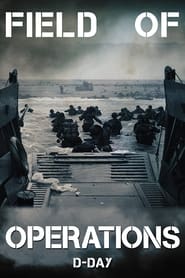
A rare insight into the military career and personal life of Germany's most famous Second World War commander, Field Marshal Erwin Rommel. Told from the perspective of his son Manfred, it tells what happens when a career soldier runs afoul of a dictator. Highly decorated and one of Hitler's favourite commanders in the early years of World War II, the 'Desert Fox' was something of an enigma. Never a member of the Nazi party, Rommel detested the blending of politics and war. He would quickly discover that both were always in play in Hitler's Germany. Greg Kinnear narrates.Field of Operations: D-Day
2021
The Normandy landings were the landing operations and associated airborne operations on Tuesday, 6 June 1944 of the Allied invasion of Normandy in Operation Overlord during World War II. Codenamed Operation Neptune and often referred to as D-Day, it was the largest seaborne invasion in history. The operation began the liberation of German-occupied France (and later western Europe) and laid the foundations of the Allied victory on the Western Front.From War to Wisdom
2017
From War to Wisdom
2017
Veterans of the most decorated battalion in marine corps history discuss the psychological injuries of war, and the unexpected trauma of returning to civilian life after the accolades of their successful battles have ended.1914 Invasion of Belgium
2014
The small Belgian army held up the German advance, the British Expeditionary Force fought its first battle and the invincible German army was brought to a standstill in Belgium. This film traces that first month, the battles of Liège, Antwerp and Mons. In reconstruction it uses the words of those who took part and looks at the remains of the battlefields and the fortifications that still exist.