Popular History Movies on Amazon Video - Page 72
All Services
Free Services
 Netflix
 Amazon Prime Video
 Apple iTunes
 Apple TV Plus
 Disney Plus
 Google Play Movies
 Paramount Plus
 Hulu
Hulu
 HBO Max
 YouTube
 fuboTV
 Peacock
 Peacock Premium
 Amazon Video
 The Roku Channel
 AMC+
AMC on Demand
AMC+
AMC on Demand
 Kocowa
 Hoopla
 The CW
 Vudu
Vudu
 Starz
Starz
 Showtime
 PBS
PBS
 Pantaflix
 FXNow
FXNow
 Tubi TV
 Kanopy
 Comedy Central
 Crunchyroll
 Microsoft Store
 Redbox
 Sun Nxt
 ABC
ABC
 DIRECTV
 Crackle
 Fandor
 Plex
Plex
Netflix
Amazon Prime Video
Apple iTunes
Apple TV Plus
Disney Plus
Google Play Movies
Paramount Plus
Hulu
HBO Max
YouTube
fuboTV
Peacock
Peacock Premium
Amazon Video
The Roku Channel
AMC+
AMC on Demand
Kocowa
Hoopla
The CW
Vudu
Starz
Showtime
PBS
Pantaflix
FXNow
Tubi TV
Kanopy
Comedy Central
Crunchyroll
Microsoft Store
Redbox
Sun Nxt
ABC
DIRECTV
Crackle
Fandor
Plex

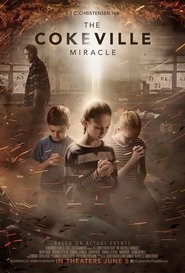
The Cokeville Miracle
2015
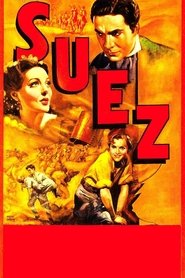
star 6.5On May 9, 1986, a small ranching community in Wyoming experiences a divine intervention when a couple detonates a bomb inside a crowded classroom.Suez
1938
Suez
1938
star 5.2Ferdinand de Lesseps, disappointed in love, is sent as a junior diplomat to the Isthmus of Suez, and realizes it's just the place for a canal.Stelios
2024
Stelios
2024
star 7.7The touching story of a child from a Pontic refugee family who managed to survive and thrive against all odds, thanks to his immense talent and resilience in the face of social and personal challenges. Music, love, family, friends, fishing, creativity, people of the night, hardcore fans, and intense conflicts come together to create the mosaic of his life. This film is a tribute to legendary singer, Stelios Kazantzidis, whose voice touched the hearts of all Greeks around the world. A film for those who loved him and those who wish to discover him.Laila in Haifa
2021
Laila in Haifa
2021
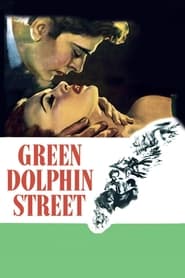
star 4.9The film was shot entirely in a nightclub, with an adjoining contemporary art gallery, whose customers are both Israelis and Palestinians, in one of Israel’s most open cities, Haifa. A long night in a place where the most diverse people meet: Jews, Muslims, gays, heterosexuals, transvestites; and three women, who in that multifaceted microcosm, a gathering peaceful hideout, can find shelter from male bullying and arrogance.Green Dolphin Street
1947
Green Dolphin Street
1947
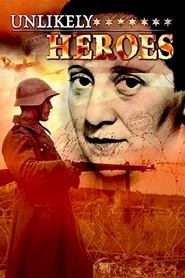
star 6.1Sophie loved Edmund, but he left town when her parents forced her to marry wealthy Octavius. Years later, Edmund returns with his son, William. Sophie's daughter, Marguerite, and William fall in love. Marguerite's sister, Marianne, also loves William. Timothy, a lowly carpenter, secretly loves Marianne. He kills a man in a fight, and Edmund helps him flee to New Zealand. William deserts inadvertently from the navy, and also flees in disgrace to New Zealand, where he and Timothy start a profitable business. One night, drunk, William writes Octavius, demanding his daughter's hand; but, being drunk, he asks for the wrong sister.Unlikely Heroes
2003
Unlikely Heroes
2003
star 7.3For most, the idea of Jewish resistance or defiance during the Holocaust is limited to the Warsaw Ghetto Uprising and a few isolated acts throughout WWII. "Unlikely Heroes", narrated by Sir Ben Kingsley, highlights 7 previously unknown stories of extraordinary men and women who exemplified the highest levels of courage and human dignity during the most desperate days of the Holocaust.Here Is Your Life
1966
Here Is Your Life
1966
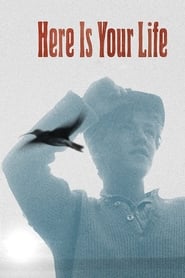
star 6.9A working class teenager comes of age in 1910s rural Sweden, moving through a series of jobs and romances that gradually shape his future.Klimt & Schiele: Eros and Psyche
2018
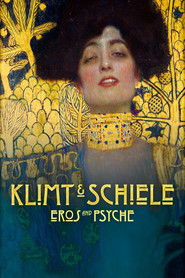
star 71918. As the roar of the First World War cannons is dying out, in Vienna, the heart of Central Europe, a golden age comes to an end. The Austro-Hungarian Empire is beginning to disintegrate. On the night of October 31st, in the bed of his home, Egon Schiele dies, one of the 20 million deaths caused by the Spanish flu. He dies looking at the invisible evil in the face, in the only he can do: painting it. He is 28 years old. Only a few months earlier, the main hall of the Secession building had welcomed his works: 19 oil paintings and 29 drawings. His first successful exhibition, a celebration of a new painting idea that portrays the restlessness and desires of mankind.A few months earlier, his teacher and friend Gustav Klimt had died. From the turn of the century, he had fundamentally changed the feeling of art and founded a new group: the Secession.Four Days in September
1997
star 7.5Fernando, a journalist, and his friend César join terrorist group MR8 in order to fight Brazilian dictatorial regime during the late sixties. César, however, is wounded and captured during a bank hold up. Fernando then decides to kidnap the American ambassador in Brazil and ask for the release of fifteen political prisoners in exchange for his life.State Funeral
2019
State Funeral
2019
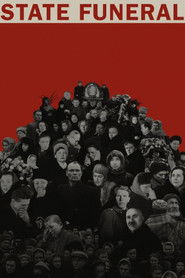
star 6.6The enigma of the personality cult is revealed in the grand spectacle of Stalin’s funeral. The film is based on unique archive footage, shot in the USSR on March 5 - 9, 1953, when the country mourned and buried Joseph Stalin.Enfant Terrible
2020
Enfant Terrible
2020
star 4.3When 22-year-old Rainer Werner Fassbinder storms the stage of a small, progressive theatre in Munich 1967, and seizes the production without further ado, nobody suspects this brazen young rebel to become one of the most important post-war German filmmakers. Despite early setbacks, many of his films breakout at the most renowned films festivals and polarise audience, critics and filmmakers alike. His radical views and self-exploitation, as well as his longing for love, have made him one of the most fascinating film directors of this time.When We Went MAD!
2025
When We Went MAD!
2025
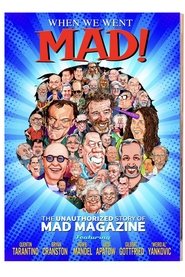
star 5A historical documentary and tribute to the legacy and influence of MAD Magazine, featuring interviews with MAD celebrity readers, along with MAD artists, writers, and editors—affectionately known as "The Usual Gang of Idiots".The Chant of Jimmie Blacksmith
1978
star 6.7The true story of a part Aboriginal man who finds the pressure of adapting to white culture intolerable, and as a result snaps in a violent and horrific manner.Hiroshima
1953
Hiroshima
1953
star 7.4Historical fiction about the aftermath of the atomic bombing of Hiroshima, Japan, on 6 August 1945, and its effects on various civilians, especially children, of that city.Having Our Say: The Delany Sisters' First 100 Years
1999
star 7.3Tells the story of Sadie and Bessie Delany, two African-American (they preferred "colored") sisters who both lived past the age of 100. They grew up on a North Carolina college campus, the daughters of the first African-American Episcopal bishop, who was born a slave, and a woman with an inter-racial background. With the support of each other and their family, they survived encounters with racism and sexism in their own different ways. Sadie quietly and sweetly broke barriers to become the first African-American home-ec teacher in New York City, while Bessie, with her own brand of outspokenness, became the second African-American dentist in New York City. At the ages of 103 and 101, they told their story to Amy Hill Hearth, a white New York Times reporter who published an article about them. The overwhelming response launched a bestselling book, a Broadway play, and this film.Thunder in the Sun
1959
Thunder in the Sun
1959
star 5.5A band of Basque immigrants treks through the Old West toward California, where they hope to put down roots and open wineries. When the group's leader dies, his widow Gabrielle marries his brother in accordance with Basque tradition. But it's a loveless union; Gabrielle is smitten with Lon Bennett, the scout who's been hired to guide them on their journey.The Square
2013
The Square
2013
star 7.6The Square looks at the hard realities faced day-to-day by people working to build Egypt’s new democracy. Cairo’s Tahrir Square is the heart and soul of the film, which follows several young activists. Armed with values, determination, music, humor, an abundance of social media, and sheer obstinacy, they know that the thorny path to democracy only began with Hosni Mubarak’s fall. The life-and-death struggle between the people and the power of the state is still playing out.Hinterland
2021
Hinterland
2021
star 6.3Vienna, 1920. The Austro-Hungarian Empire has collapsed. Peter Perg returns home from the Great War, after years of captivity. But the Vienna he comes home to is nothing like the place he once knew. The new Austrian Republic thrives on social and artistic freedom, but anti-democratic movements and unemployment loom overhead. A stranger in his hometown, his life takes a turn for the worse when one of his former comrades is murdered. Suddenly the mysterious killings of veterans are mounting. Personally connected to the victims, Perg decides to bring the killer to justice. He finds an ally in the cool-headed forensic doctor Theresa Körner, with whom he has a deeper, shared history. Their investigation leads them into the darkest corners of the city, as they confront a brutal and systematic killer and intrigues from within the police force. But when the killer’s net closes around Perg himself, he faces the moral dilemma of his life.The Aryan Papers
2026
The Aryan Papers
2026
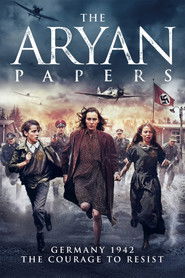
Stuttgart, 1942: Nazis have cleared Jewish communities from towns and Villages. Two German-born Jewish children flee Nazis who have killed their family, escorted by Gisella, part of the Lebensborn, an SS Master Race program.The Man Who Saved the World
2014
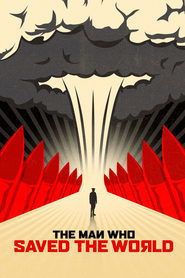
star 6.8The Man Who Saved the World is a feature documentary film about Stanislav Petrov, a former lieutenant colonel of the Soviet Air Defence Forces.