Popular History Movies on Free Services - Page 92
All Services
Free Services
 Netflix
 Amazon Prime Video
 Apple iTunes
 Apple TV Plus
 Disney Plus
 Google Play Movies
 Paramount Plus
 Hulu
Hulu
 HBO Max
 YouTube
 fuboTV
 Peacock
 Peacock Premium
 Amazon Video
 The Roku Channel
 AMC+
AMC on Demand
AMC+
AMC on Demand
 Kocowa
 Hoopla
 The CW
 Vudu
Vudu
 Starz
Starz
 Showtime
 PBS
PBS
 Pantaflix
 FXNow
FXNow
 Tubi TV
 Kanopy
 Comedy Central
 Crunchyroll
 Microsoft Store
 Redbox
 Sun Nxt
 ABC
ABC
 DIRECTV
 Crackle
 Fandor
 Plex
Plex
Netflix
Amazon Prime Video
Apple iTunes
Apple TV Plus
Disney Plus
Google Play Movies
Paramount Plus
Hulu
HBO Max
YouTube
fuboTV
Peacock
Peacock Premium
Amazon Video
The Roku Channel
AMC+
AMC on Demand
Kocowa
Hoopla
The CW
Vudu
Starz
Showtime
PBS
Pantaflix
FXNow
Tubi TV
Kanopy
Comedy Central
Crunchyroll
Microsoft Store
Redbox
Sun Nxt
ABC
DIRECTV
Crackle
Fandor
Plex

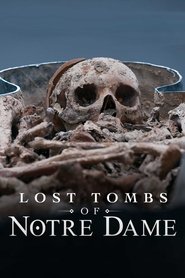
Lost Tombs of Notre Dame
2024
star 7After the Notre Dame fire in 2019, two mysterious coffins were found buried beneath its floor. Where did they come from and who was inside? Follow scientists and historians as they investigate what their stories reveal about this iconic cathedral. From NOVA.9/11: Stories from the City
2021
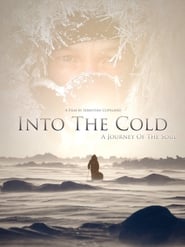
Twenty years on, listen to some of the incredible first-hand stories in this emotional reflection on one of the darkest days in American history.Into the Cold: A Journey of the Soul
2010
star 5.3Into the Cold retraces two men dramatic expedition to the North Pole one of the toughest and most magnificent environments in the world and also one that is rapidly vanishing. In two months, 400+ miles, and -50F temperatures, the film reveals a deeply personal journey by foot to the top of the world as never before seen on camera. At current rates of climate change, this centennial commemorative expedition in 2009 will not be possible in another 100 years.Dial H-I-S-T-O-R-Y
1997
Dial H-I-S-T-O-R-Y
1997
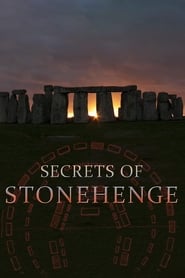
star 6.9An acclaimed hijacking documentary that eerily foreshadowed 9/11. We meet the romantic skyjackers who fought their revolutions and won airtime on the passenger planes of the 1960s and '70s. By the 1990s, such characters were apparently no more, replaced on our TV screens by stories of anonymous bombs in suitcases. Director Johan Grimonprez investigates the politics behind this change, at the same time unwrapping our own complicity in the urge for ultimate disaster.Secrets of Stonehenge
2010
star 8Dated to the late Stone Age, Stonehenge may be the best-known and most mysterious relic of prehistory. Every year, a million visitors are drawn to England to gaze upon the famous circle of stones, but the monument's meaning has continued to elude us. Now investigations inside and around Stonehenge have kicked off a dramatic new era of discovery and debate over who built Stonehenge and for what purpose. How did prehistoric people quarry, transport, sculpt, and erect these giant stones? Granted exclusive access to the dig site at Bluestonehenge, a prehistoric stone-circle monument recently discovered about a mile from Stonehenge, NOVA cameras join a new generation of researchers finding important clues to this enduring mystery.Streit's: Matzo and the American Dream
2015
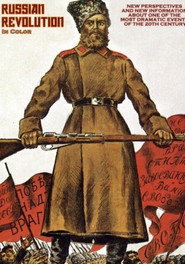
On New York's rapidly gentrifying Lower East Side sits the Streit's Matzo factory. When its doors opened in 1925, it sat at the heart of the nation's largest Jewish immigrant community.Russian Revolution in Color
2007
star 4The Russian Revolution is the collective term for a series of revolutions in Russia in 1917, which destroyed the Tsarist autocracy and led to the creation of the Soviet Union. The Tsar was deposed and replaced by a provisional government in the first revolution of February 1917 (March in the Gregorian calendar; the older Julian calendar was in use in Russia at the time). In the second revolution, during October, the Provisional Government was removed and replaced with a Bolshevik (Communist) government.The War on Disco
2023
The War on Disco
2023
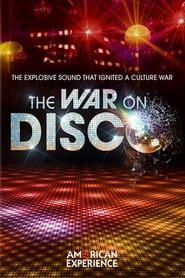
star 6.7The War on Disco explores the culture war that erupted over the spectacular rise of disco music. Originating in underground Black and gay clubs, disco had unseated rock as America’s most popular music by the late 1970s. But many diehard rock fans viewed disco, with its repetitive beat and culture that emphasized pleasure, as shallow and superficial. A story that’s about much more than music, The War on Disco explores how the powerful anti-disco backlash revealed a cultural divide that to some seemed to be driven by racism and homophobia. The hostility came to a head on July 12, 1979, when a riot broke out at “Disco Demolition Night” during a baseball game in Chicago.The Story of the Kinks
1985
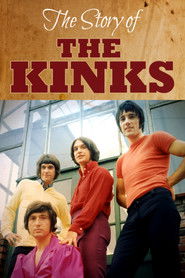
Discover the inside story of the most influential English rock band of the '60s. Inspired by a mix of genres including rhythm and blues, folk and country, their music created a British Invasion around the world. Their third single "You Really Got Me" became an international hit and went straight to the top of the charts in the UK. With seventeen top 20 singles and five top ten albums in the UK, the Kinks had an incredibly successful career spanning over 30 years. Featuring interviews with key members of the group, this is their story.Winning a Continent
1916
Winning a Continent
1916
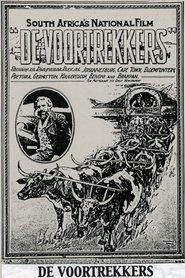
star 5This epic film was one of the first South African dramatic film productions. It tells the story of the Boers’ Great Trek at the end of the 1830s, concluding with a hegemonic reconstruction of the 1838 Battle of Blood River, where a few hundred armed Afrikaners defeated several thousand Zulus.Following the Ninth: In the Footsteps of Beethoven's Final Symphony
2012
star 8.8Part road trip, part adventure story, FOLLOWING THE NINTH is an inspirational film about Beethoven's Choral Symphony, its majestic power to liberate us, to shield us against suffering, to provide hope and resilience during dark times. Filmed on five continents and in 12 countries, FOLLOWING THE NINTH is the story of four lives that have been transformed and repaired by the music, expressed most vividly in the prophecy of the Ode to Joy: “Alle Menschen werden Brüder”(All Men Will Be Brothers).Ralph Ellison: Invisible Man, Celebrated Writer
2005
star 3.2Ralph Ellison was an African-American writer and essayist, who's only novel Invisible Man (1953) gained a wide critical success. Ellison's ambitious journey from a childhood of hardship and poverty to celebrated African American writer is chronicled in this inspiring program through exclusive interviews and personal recollection.Sorolla: Journeys of Light
2017
star 4A journey through the life and work of the Spanish painter Joaquín Sorolla (1863-1923), master of Nature, creator of light.Führer Cult and Megalomania
2011
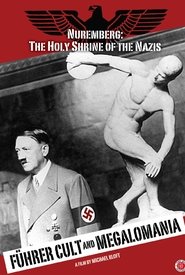
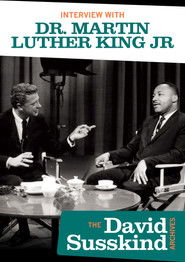
star 6By early in the twentieth century, Nuremberg was regarded as the most anti-Semitic city in Europe. By 1929, Hitler had decided to make Nuremberg the "City of the Party Rallies" and a symbol representing the greatness of the German Empire. Even today, it is possible to see signs in Nuremberg of the megalomaniac proportions that the system was to assume.David Susskind Archive: Interview With Dr. Martin Luther King Jr
1963
The historic interview that stopped JFK in his tracks...Ghosts of the Third Reich
2012
star 7Ghosts of the Third Reich documents the poignant and anguished stories of descendants of the Nazis, who confront their family's past and communicate their most profound feelings of guilt by inheritance. These individuals, whose family members were supporters, officers, and elite of the Nazi regime, share a common desire to distance themselves from Nazi ideology and the actions of their ancestors.The Last Movie Ride
2022
The Last Movie Ride
2022
star 7Time travel back 100 years through cinema magic and discover America's fascination with the motion picture though the eyes of those who lived it.The Mystery of San Nicandro
2012
Documentary on the Jews of San Nicandro, Italy; a community of Christians who converted to Judaism during Fascist ItalyConlanging: The Art of Crafting Tongues
2017
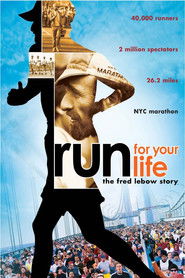
star 5A deep dive into the hidden world of constructed languages and the fascinating people who make them.Run for Your Life
2008
Run for Your Life
2008
star 7.9Without one eccentric first-generation Jewish immigrant from Transylvania, the New York City Marathon simply wouldn't exist. Ehrlich's fun, loving, and inspirational tribute to the late Fred Lebow shows how one man's imagination, determination, and love for running created one of the world's most popular sporting events.