Popular War Movies on Free Services - Page 48
All Services
Free Services
 Netflix
 Amazon Prime Video
 Apple iTunes
 Apple TV Plus
 Disney Plus
 Google Play Movies
 Paramount Plus
 Hulu
Hulu
 HBO Max
 YouTube
 fuboTV
 Peacock
 Peacock Premium
 Amazon Video
 The Roku Channel
 AMC+
AMC on Demand
AMC+
AMC on Demand
 Kocowa
 Hoopla
 The CW
 Vudu
Vudu
 Starz
Starz
 Showtime
 PBS
PBS
 Pantaflix
 FXNow
FXNow
 Tubi TV
 Kanopy
 Comedy Central
 Crunchyroll
 Microsoft Store
 Redbox
 Sun Nxt
 ABC
ABC
 DIRECTV
 Crackle
 Fandor
 Plex
Plex
Netflix
Amazon Prime Video
Apple iTunes
Apple TV Plus
Disney Plus
Google Play Movies
Paramount Plus
Hulu
HBO Max
YouTube
fuboTV
Peacock
Peacock Premium
Amazon Video
The Roku Channel
AMC+
AMC on Demand
Kocowa
Hoopla
The CW
Vudu
Starz
Showtime
PBS
Pantaflix
FXNow
Tubi TV
Kanopy
Comedy Central
Crunchyroll
Microsoft Store
Redbox
Sun Nxt
ABC
DIRECTV
Crackle
Fandor
Plex

Beaufort
2007
Beaufort
2007
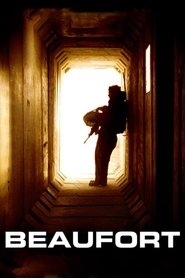
star 6.3BEAUFORT tells the story of LIRAZ LIBERTI, the 22 year-old outpost commander, and his troops in the months before Israel pulled out of Lebanon. This is not a story of war, but of retreat. This is a story with no enemy, only an amorphous entity that drops bombs from the skies while terrified young soldiers must find a way to carry out their mission until their very last minutes on that mountaintop.Crossroads
2013
Crossroads
2013
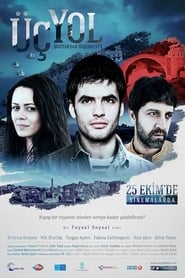
star 5.1Benjamin is a young poet from Turkey, works in Bosnia as a volunteer to help the extrication of dead bodies from the mass graves. He comes to Bosnia in order to escape from his past. A childish game of Benjamin causes Joseph's lover-Zeliha's dead. The psychological pressure of his job revives his past in his dreams. Zrinka is Serbian-Bosnian psychologist who is helping to the people in post war syndromes.Benjamin meets her committing suicide on Mostar Bridge.By the time they fall in love. She releases Benjamin from his qualms of conscience. Benjamin goes back to Turkey to face with his brother and past. Zrinka saw a dream something bad happened to Benjamin. She goes to Turkey but she finds secrets and new description of love.Lady from Chungking
1942
Lady from Chungking
1942
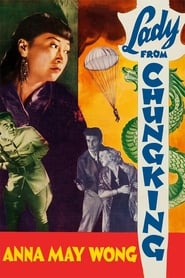
star 5.8During World War II, Chinese guerrillas fight against the occupying Japanese forces. A young woman is the secret leader of the villagers, who plot to rescue two downed Flying Tigers pilots, who are currently in the custody of the Japanese. The rescue mission takes on even more importance with the arrival of a Japanese general, which signals a major offensive taking place in the area.Faith of Our Fathers
2015
Faith of Our Fathers
2015
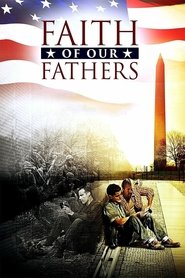
star 5.6With the Vietnam War raging in 1969, two young fathers report for duty. A man of great faith and a doubtful cynic. A quarter-century later, their sons, Wayne and John Paul (David A.R. White and Kevin Downes), meet as strangers. Guided by handwritten letters from their fathers from the battlefield, they embark on an unforgettable journey to The Wall-the Vietnam Veterans Memorial in Washington, D.C. Along the way, they discover the devastation of war cannot break the love of a father for his son.Forbidden Films
2014
Forbidden Films
2014
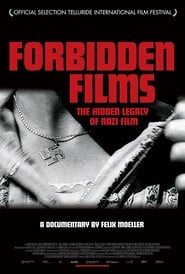
star 6.5Between 1933 and 1945 roughly 1200 films were made in Germany, of which 300 were banned by the Allied forces. Today, around 40 films, called "Vorbehaltsfilme", are locked away from the public with an uncertain future. Should they be re-released, destroyed, or continue to be neglected? Verbotene Filme takes a closer look at some of these forbidden films.The Bomb
2015
The Bomb
2015
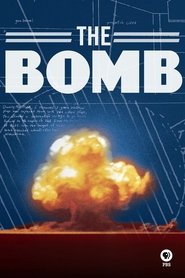
star 6.8Using masterfully restored footage from recently declassified images, The Bomb tells a powerful story of the most destructive invention in human history. From the earliest testing stages to its use as the ultimate chess piece in global politics, the program outlines how America developed the bomb, how it changed the world and how it continues to loom large in our lives. The show also includes interviews with prominent historians and government insiders, along with men and women who helped build the weapon piece by piece.Kapyong
2011
Kapyong
2011
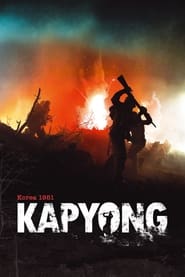
On April 24, 1951, following a rout of the South Korean army, the Chinese People Volunteer Army pursued their enemy to the lines of Australian and Canadian troops still digging fall-back defences, 39 kilometres to the rear. Here, sometimes at the length of a bayonet, often in total darkness, individual was pitted against individual in a struggle between a superpower and a cluster of other nations from across the world. They fought for a valley, the ancient and traditional invasion route to Seoul. If it fell the southern capital and the war, was lost. The United Nations troops had the military advantage of the high ground and artillery support: the Chinese relied entirely on vastly superior numbers. As a result, young men from both sides found a battle which was very close and very personal. The Battle of Kapyong became the turning point of China's Fifth Offensive in that Korea spring... Written by John LewisFlame
1996
Flame
1996
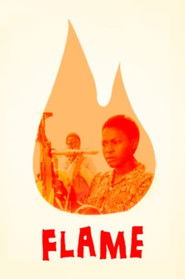
star 5The 1970s in the former Rhodesia, today Zimbabwe: The native people is going against the white suppressors. As the war reaches the most distant villages as well the two friends Florence and Nyasha join the fighters and assume new names: Flame and Liberty. But the war is not as easy as they thought...Valley of Peace
1956
Valley of Peace
1956
star 6.4When the planes bombed a Slovene town, a Slovene boy and a German girl set on a journey towards the valley, in which there is no war. On their way a black American pilot, who jumped of a shoot-down plane, joins them. Although American planes have killed the boy's parents, he accepts the pilot with enthusiasm. The children communicate with him in German and the valley of peace seems like the last paradise place of refuge. The Slovene boy, the German girl, and the American pilot represent a symbolic triangle of peace in this adventure happening in the middle of the War of Liberation.Jubilation Street
1944
Jubilation Street
1944
star 5.9The few residents left on the streets in Tokyo share their individual stories and come to understand the melancholy of saying goodbye.Level Five
1997
Level Five
1997
star 6Laura, a French programmer, inherits the task of creating a game about the World War II Battle of Okinawa. Her research and interviews with Japanese experts and witnesses prompt her to reflect on life, humanity, and the lasting influence of history and memories.Sir! No Sir!
2005
Sir! No Sir!
2005
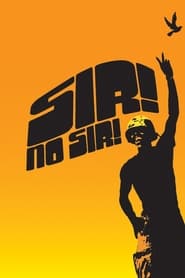
star 6.7Sir! No Sir! is a documentary film about the anti-war movement within the ranks of the United States Military during the Vietnam War. It consists in part of interviews with Vietnam veterans explaining the reasons they protested the war or even defected. The film tells the story of how, from the very start of the war, there was resentment within the ranks over the difference between the conflict in Vietnam and the "good wars" that their fathers had fought. Over time, it became apparent that so many were opposed to the war that they could speak of a movement.Fortunes of War
2024
Fortunes of War
2024
star 3.9When a covert raid in Normandy goes wrong, a small team of British commandos are cut off from their comrades. Holed up in a barn and surrounded by Wehrmacht forces, their chances of survival appear bleak, until an unexpected discovery provides an opportunity to escape.WWII: The Long Road Home
2019
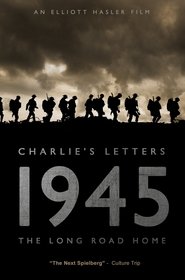
star 6.516 year old aspiring director Elliott Hasler's epic depiction of his great-grandfather's WW2 experiences; an escaped POW's battle for survival whilst on the run in war-torn Italy, as his wife and young son eagerly await news in England.Calm at Sea
2012
Calm at Sea
2012
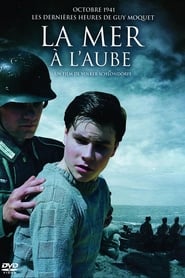
star 6.5October 1941. Eighteen months into France’s occupation by German troops, young Communist members of the Resistance shoot dead an officer of the German Army. In retaliation, Hitler demands the deaths of 150 Frenchmen, as 'retribution'. The targets are to be mostly young men believed to share the assassins’ political convictions. Most of these men are taken from an internment camp for opponents of the occupation; a 35-year-old French rural administrator is ordered to select the victims. Although the parish priest appeals to their conscience and moral sensibilities, both the German military and their French helpers slavishly follow their orders.Gabi Na, Kumander
1986
Gabi Na, Kumander
1986
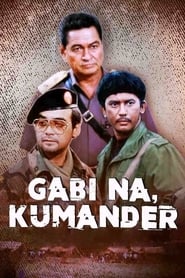
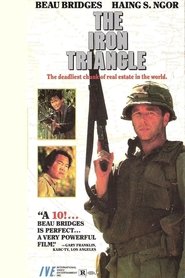
Gabi Na Kumander is the story of two brothers with opposite beliefs who suddenly find themselves in a fight for what each one believes is right. Ramil Macan had been assigned to fight the rebels in Sto. Nio and he discovers that the rebel leader is no other than his younger brother, whom he had given up for dead years ago. Ronald Macan, former law student and activist, took to the hills with the imposition of martial law. He is known as Kumander Kobra. Ramil had been assigned to put a stop to his activities and in the name of the law to take him dead or alive.The Iron Triangle
1989
The Iron Triangle
1989
star 5.4Based on the diary of an unknown Viet Cong soldier, this film provides a sympathetic look at a Viet Cong soldier who protected a captured American soldier whom he believed did not kill him when the American had the opportunity. Written by John SackstederThe Adventures of Tartu
1943
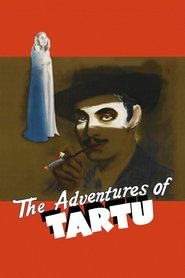
star 6.1British Captain Terence Stevenson (Robert Donat) accepts an assignment even more dangerous than his everyday job of defusing unexploded bombs. Fluent in Romanian and German and having studied chemical engineering, he is parachuted into Romania to assume the identity of Captain Jan Tartu, a member of the fascist Iron Guard. He makes his way to Czechoslovakia to steal the formula of a new Nazi poison gas and sabotage the factory where it is being manufactured.Baraka
2016
Baraka
2016
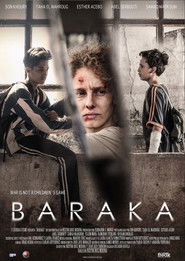
star 6In the months before the war in Iraq , Abdel and Umayr , two brothers who are very close, will be forced to separate from each other. Months later , with the war in full swing, they will meet again , but neither of them is the same.Trenck - Zwei Herzen gegen die Krone
2003
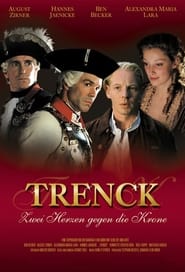
star 4Prussian general's son Friedrich, Freiherr (German baron) von der Trenck, is an unruly student whose countless affairs make him enemies, but he wins every duel. Frederic II the Great recruits him for his personal bodyguard. During his cadet training under the cruel stickler Graf (count) von Jaschinsky Friedrich falls in love with the king's headstrong oldest sister Amalia. She, however, refuses to be married off the the Swedish king's heir. When Prussia makes war on Austria over Silesia, Trenck's loyalty is dubious on account of an Austrian family branch. Janischky eagerly convinces the king there is more.