Popular Music Movies on Google Play Movies - Page 119
All Services
Free Services
 Netflix
 Amazon Prime Video
 Apple iTunes
 Apple TV Plus
 Disney Plus
 Google Play Movies
 Paramount Plus
 Hulu
Hulu
 HBO Max
 YouTube
 fuboTV
 Peacock
 Peacock Premium
 Amazon Video
 The Roku Channel
 AMC+
AMC on Demand
AMC+
AMC on Demand
 Kocowa
 Hoopla
 The CW
 Vudu
Vudu
 Starz
Starz
 Showtime
 PBS
PBS
 Pantaflix
 FXNow
FXNow
 Tubi TV
 Kanopy
 Comedy Central
 Crunchyroll
 Microsoft Store
 Redbox
 Sun Nxt
 ABC
ABC
 DIRECTV
 Crackle
 Fandor
 Plex
Plex
Netflix
Amazon Prime Video
Apple iTunes
Apple TV Plus
Disney Plus
Google Play Movies
Paramount Plus
Hulu
HBO Max
YouTube
fuboTV
Peacock
Peacock Premium
Amazon Video
The Roku Channel
AMC+
AMC on Demand
Kocowa
Hoopla
The CW
Vudu
Starz
Showtime
PBS
Pantaflix
FXNow
Tubi TV
Kanopy
Comedy Central
Crunchyroll
Microsoft Store
Redbox
Sun Nxt
ABC
DIRECTV
Crackle
Fandor
Plex

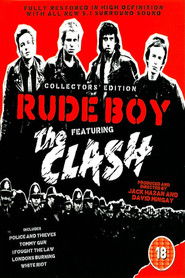
The Clash – Rude Boy
2015
The Clash – Rude Boy
2015
Rude Boy is a semi-documentary, part character study, part ‘rockumentary’, featuring a British punk band, The Clash. The script includes the story of a fictional fan juxtposed with actual public events of the day, including political demonstrations and Clash concerts. Filmed over a period of years, the written dialog takes on the appearance of improvisation. Now full restored in hi-definition with all new 5.1 surround sound. Filmed as a fictional documentary, Rude Boy the movie follows punk (Ray Gange) as he quits his job in a West End sex shop to become a roadie for the most exciting band in the country – THE CLASH. Capturing THE CLASH during their ‘CLASH ON PATROL’&’SORT IT OUT’ UK tours of 1978, Rude Boy is an unparalleled film document of one of the best live bands ever.John Lee Hooker - Live At Montreux 1990
2020
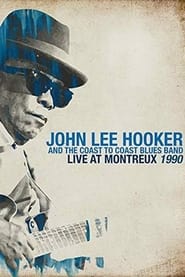
star 5The 1990 show finds Hooker making a triumphant return to the Montreux stage with an expanded band that includes female vocalist Vala Cupp, an additional guitarist, and a sax player. After a raucous introduction boogie, Hooker delivers another hit-filled set with some new additions, including the title track from his 1989 album The Healer. His bone-shaking rendition of “I’m In The Mood For Love” is the ultimate in amorous blues and is positively percolating. A new slow blues simply called “Mabel” is noteworthy, too, and Hooker gives it his plaintive and soulful all.The Reach of Resonance
2011
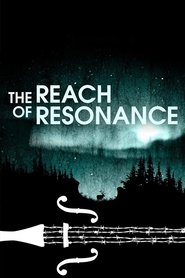
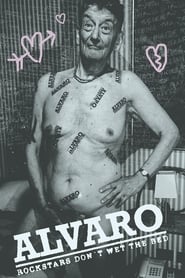
Miya Masaoka uses music to interact with plants and insects; Jon Rose turns fences into musical instruments with a violin bow in conflict zones ranging from the Australian outback to Israel; John Luther Adams translates geophysical phenomena in Alaska into music; and Bob Ostertag explores socio-political issues through processes as diverse as transcribing riots into string quartets, and creating live cinema with garbage. By contrasting the creative paths of these artists, and a connection between them by the world renowned Kronos Quartet, the film explores music not as a form of entertainment, career, or even self-expression, but as a tool to develop more deeply meaningful relationships with people and the complexities of the world they live in.Alvaro: Rockstars Don’t Wet the Bed
2019
Documentary on the exhaustive and controversial work of the musician Álvaro Peña, born in Valparaíso and settled decades ago in the city of Konstanz (Germany)Scenesters: Music, Mayhem and Melrose ave. 1985-1990
2017
star 6It was the 80s: Hardcore punk got too violent and started getting banned in clubs and venues, new wave died as well as the clothes and the first wave of metal became stale; we were looking for a new sound and a new look. Bored with what we knew, we ushered in Bands that lived harder and drank more than we did - bands like Hanoi Rocks, Guns N Roses, Jane's Addiction. It was freeing to be young and rock'n'roll - we changed the fashion and its rules, ran the town, set the scene and remade Melrose ave. our street. It was OUR time, Scenester's in Los Angeles. This 80 minute documentary goes back to the clubs, the scenester's, and the 'mover and shakers" of the time - the bands. A non-judgemental look at a musical movement that defined a generation and explained a culture.Andrew Duhon - Live from Studio Liveset: New Orleans, LA
2011
Andrew Duhon began writing in high school spurred on by a fascination with the literary works of Emerson and Thoreau as well as poets Walt Whitman and Robert FrostRebel Truce, the History of the Clash
2007
star 7Rebel Truce - The History Of The Clash recounts the history of one of the most influential British punk rock bands of all time. The film offers a glimpse behind the personalities of the band, their highs and lows, endless touring schedules and ultimately their global success. Through candid conversations with Clash front-man Mick Jones, as well as archive interviews with the band, this is the first time that the band’s full history is told. The film features an interview with legendary punk filmmaker Don Letts, who shares his personal archive of unseen Clash footage.I Am What I Play
2015
I Am What I Play
2015
star 5From the 1960s to the 1980s, the rock radio DJ played an unprecedented creative role in the rock music world. I Am What I Play profiles four disc jockeys in major markets during this period: their programming, their politics and their deep connections with musicians and fans in the heyday of rock radio. Where are they now - and how did they reinvent themselves as the medium changed? Featuring the music of The Ramones, Joni Mitchell, Rush, David Bowie, The Cars, The Sonics and more.Classical Cajun Gumbo
2010
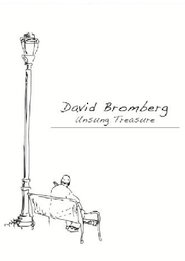
A Classical Cajun Gumbo began with a simple idea: to make a video demonstrating Doug Kershaw's unique style of fiddle playing to other violinists. A self taught musician, Kershaw has composed thousands of songs in his 60+ years performing career without knowing how to read or write music. University of Northern Colorado Professor of Violin Richard Fuchs was enlisted to provide pedagogic guidance for communicating Kershaw's life-long dream to hear his music expressed by a fill symphony orchestra and Fuch's desire to expand the musical and cultural horizons of his students.David Bromberg: Unsung Treasure
2012
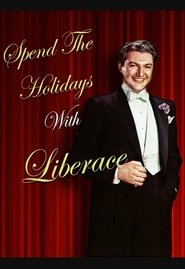
An in-depth look at New York American roots musician David Bromberg's rise to fame.Spend the Holidays with Liberace
1955
Liberace invites us to his Thanksgiving musical celebration, playing both songs that invoke the spirit of the season and classic hits. With help from a string quartet led by his older brother, George, Liberace serenades a live turkey as a farewell commemoration.