Popular Music Movies on Hoopla - Page 47
All Services
Free Services
 Netflix
 Amazon Prime Video
 Apple iTunes
 Apple TV Plus
 Disney Plus
 Google Play Movies
 Paramount Plus
 Hulu
Hulu
 HBO Max
 YouTube
 fuboTV
 Peacock
 Peacock Premium
 Amazon Video
 The Roku Channel
 AMC+
AMC on Demand
AMC+
AMC on Demand
 Kocowa
 Hoopla
 The CW
 Vudu
Vudu
 Starz
Starz
 Showtime
 PBS
PBS
 Pantaflix
 FXNow
FXNow
 Tubi TV
 Kanopy
 Comedy Central
 Crunchyroll
 Microsoft Store
 Redbox
 Sun Nxt
 ABC
ABC
 DIRECTV
 Crackle
 Fandor
 Plex
Plex
Netflix
Amazon Prime Video
Apple iTunes
Apple TV Plus
Disney Plus
Google Play Movies
Paramount Plus
Hulu
HBO Max
YouTube
fuboTV
Peacock
Peacock Premium
Amazon Video
The Roku Channel
AMC+
AMC on Demand
Kocowa
Hoopla
The CW
Vudu
Starz
Showtime
PBS
Pantaflix
FXNow
Tubi TV
Kanopy
Comedy Central
Crunchyroll
Microsoft Store
Redbox
Sun Nxt
ABC
DIRECTV
Crackle
Fandor
Plex

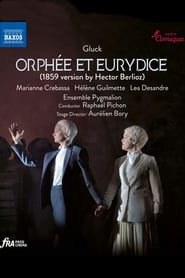
Gluck: Orfeo ed Euridice
2018
Amour, the messenger of the gods, tells Orpheus that he may descend to the underworld and return with Eurydice. His singing has the power to appease the Furies and animate the blessed Shadows. Yet, his voice cannot reassure Eurydice who despairs of the feigned indifference of Orpheus, put to the test by Jupiter. Raphaël Pichon conducts the opera of operas and Aurélien Bory displays the giddiness of the mental and supernatural spaces traveled by Orpheus and beyond. Marianne Crebassa plays a new breeches role with Hélène Guilmette (Hélène in Le Timbre d’argent) and Lea Desandre (the title role in Alcione).Scenesters: Music, Mayhem and Melrose ave. 1985-1990
2017
star 6It was the 80s: Hardcore punk got too violent and started getting banned in clubs and venues, new wave died as well as the clothes and the first wave of metal became stale; we were looking for a new sound and a new look. Bored with what we knew, we ushered in Bands that lived harder and drank more than we did - bands like Hanoi Rocks, Guns N Roses, Jane's Addiction. It was freeing to be young and rock'n'roll - we changed the fashion and its rules, ran the town, set the scene and remade Melrose ave. our street. It was OUR time, Scenester's in Los Angeles. This 80 minute documentary goes back to the clubs, the scenester's, and the 'mover and shakers" of the time - the bands. A non-judgemental look at a musical movement that defined a generation and explained a culture.Van Morrison: Another Glorious Decade
2014
star 6Using rare archive, live and studio footage and brand new interviews with many of those who worked with Van across the decade covered by this program, a rare glimpse into the world of this very private musician, performer and writer is revealed - one that many fans of his music may find both surprising and enlightening.Female Singers. Memories of Life and Death in Colombia
2013
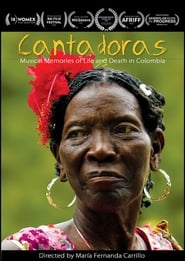
star 10Five African Colombian women sing about the life and death of their peoples through traditional music and dirges. Tracing a musical journey, the singers show us how to respond to violence with art and creation. Musical Memories Of Life And Death In Colombia The word Cantadora comes from traditional Colombian music influenced by African roots and refers to the women that compose and sing their songs while going through their daily chores. "Cantadoras" provides a portrait of rural life in Colombia in its Caribbean and Pacific regions through the words and songs of the resilient Afro-Colombian singers that farm there. These resilient women speak of memories of violence at the hands of paramilitaries, and the power of song to build strength and give voice to dignity and creativity.