Popular Movies on Kanopy - Page 482
All Services
Free Services
 Netflix
 Amazon Prime Video
 Apple iTunes
 Apple TV Plus
 Disney Plus
 Google Play Movies
 Paramount Plus
 Hulu
Hulu
 HBO Max
 YouTube
 fuboTV
 Peacock
 Peacock Premium
 Amazon Video
 The Roku Channel
 AMC+
AMC on Demand
AMC+
AMC on Demand
 Kocowa
 Hoopla
 The CW
 Vudu
Vudu
 Starz
Starz
 Showtime
 PBS
PBS
 Pantaflix
 FXNow
FXNow
 Tubi TV
 Kanopy
 Comedy Central
 Crunchyroll
 Microsoft Store
 Redbox
 Sun Nxt
 ABC
ABC
 DIRECTV
 Crackle
 Fandor
 Plex
Plex
Netflix
Amazon Prime Video
Apple iTunes
Apple TV Plus
Disney Plus
Google Play Movies
Paramount Plus
Hulu
HBO Max
YouTube
fuboTV
Peacock
Peacock Premium
Amazon Video
The Roku Channel
AMC+
AMC on Demand
Kocowa
Hoopla
The CW
Vudu
Starz
Showtime
PBS
Pantaflix
FXNow
Tubi TV
Kanopy
Comedy Central
Crunchyroll
Microsoft Store
Redbox
Sun Nxt
ABC
DIRECTV
Crackle
Fandor
Plex

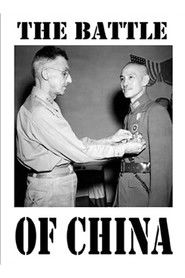
Why We Fight: The Battle of China
1944
star 6.5The sixth film of Frank Capra's Why We Fight propaganda film series illustrates Japan's occupation of China, including Madame Chiang Kai-Shek's stirring address before congress, the rape of Nanking, the great 2,000 mile migration, and Claire Chennault's Flying Tigers.Being Thunder
2021
Being Thunder
2021
star 8Sherente Harris, a two-spirit genderqueer teenager from the Narragansett tribe in Rhode Island, boldly challenges the status quo of what it means to be a queer Indigenous person in a world bound by binary gender roles.Do the Math
2013
Do the Math
2013
star 6It’s simple math: we can burn less than 565 more gigatons of carbon dioxide and stay below 2°C of warming — anything more than that risks catastrophe for life on earth. The only problem? Fossil fuel corporations now have 2,795 gigatons in their reserves, five times the safe amount. And they’re planning to burn it all — unless we rise up to stop them.Iran Conference
2020
Iran Conference
2020
Representatives of the Danish and world intellectual elite, the best minds of our time are going to a conference in Copenhagen to discuss the urgent "Iranian problem" — violation of rights and freedoms, daily executions, torture and military conflicts in the middle East. An orientalist, theologian, political scientist, military journalist, the wife of the Prime Minister (formerly a well-known TV presenter), writer, priest, famous conductor and Iranian poet — winner of the Nobel prize in literature take turns on the stage.The Automat
2021
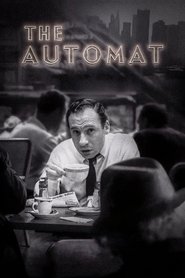
The Automat
2021
star 6.8The 100-year story of the iconic restaurant chain Horn & Hardart, the inspiration for Starbucks, where generations of Americans ate and drank coffee together at communal tables. From the perspective of former customers, we watch a business climb to its peak success and then grapple with fast food in a forever changed America.Hong Kong
1952
Hong Kong
1952
star 4.5American adventurer Jeff Williams is fleeing the communist advance in China when he becomes entangled with a young Chinese orphan, Wei Lin, and a beautiful Red Cross volunteer, who arranges for their harrowing escape to Hong Kong.The Quest of Alain Ducasse
2017
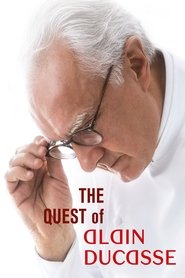
star 6.3What can be the quest of Alain Ducasse, the little boy of the Landes now become the chef and most recognized mentor of cooking in the world? What is a man looking for who already seems to have everything? 23 restaurants in the world, 18 Michelin stars, Alain Ducasse never ceases to create addresses that appeal to our time, to build schools, to push the boundaries of his craft to new horizons, his curiosity has no limit. He traveled the world relentlessly, for to him cooking was an infinite universe. This public man, however secret, accepted to be followed for nearly two years, thus opening us the doors of his universe, in perpetual evolution.From Where They Stood
2023
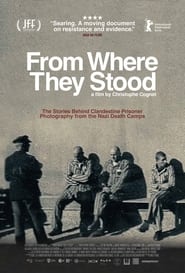
star 7.5A handful of prisoners in WWII camps risked their lives to take clandestine photographs and document the hell the Nazis were hiding from the world. In the vestiges of the camps, director Christophe Cognet retraces the footsteps of these courageous men and women in a quest to unearth the circumstances and the stories behind their photographs, composing as such an archeology of images as acts of defiance.As I Open My Eyes
2015
As I Open My Eyes
2015
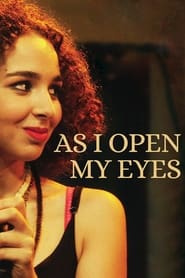
star 6.5Tunis, summer 2010, a few months before the Revolution: Farah, 18 years old, has just graduated and her family already sees her as a future doctor. But she doesn't have the same idea. She sings in a political rock band, has a passion for life, gets drunk, discovers love and her city by night against the wishes of her mother Hayet, who knows Tunisia and its dangers all too well.Imminent Threat
2015
Imminent Threat
2015
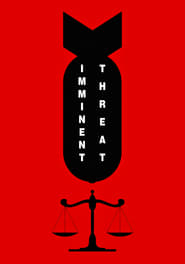
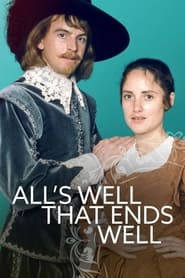
star 6.7A look at the War on Terror and the threat it's causing to our civil liberties and political discourse. Academy Award nominee James Cromwell presents Janek Ambros' directorial debut. The feature doc tackles the War on Terror's impact on civil liberties and the strange coalition it's creating between the progressive left and libertarian right. The doc examines the NSA, drones, the war on journalism and other encroachments on civil liberties started by the Bush era and expanded by the Democratic establishment.All's Well That Ends Well
1981
star 6.3Helena loves Bertram, but he's of noble birth, while she's just a doctor's daughter. But Bertram is at the court of the King of France, who is ill, and Helena has a remedy that might cure him and win her the right to marry Bertram. But does Bertram want to marry her?Love's Confusion
1959
Love's Confusion
1959
star 3.8The film tells the love story of two young couples. According to their social ranks, construction worker Edy is dating employee Siegi, while medical student Dieter is dating art school student Sonja. Rather unintentionally, they exchange partners. During a carnival ball, Dieter makes out with Siegi because he falls for her her fresh and happy girlish manner. Sonja coolly observes this game and sees this intermezzo as a test for their relationship. While Siegi and Dieter vacation at the sea, Sonja falls in love with Edy. Now the die seems to be cast for new constellations. But when both couples stand in front of the registrar’s office, they finally come to their senses.Stallions of Palestine
2019
A Palestinian family navigates the difficulties of raising Arabian horses in the West Bank, where access to vets and training facilities always seems to be a checkpoint away.Queen of the Stardust Ballroom
1975
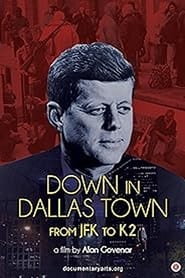
star 5.7A middle-aged woman finds herself simply a widow, a grandmother and a person when a friend takes her to the Stardust Ballroom, a dance hall which recreates the music and atmosphere of the 1940s. There she encounters a most unlikely Prince Charming, a middle-aged mailman. With this encounter, life takes on a new meaning for the film's heroine.Down in Dallas Town
2023
Down in Dallas Town
2023
Through interviews with people on the street and songs recorded to memorialize JFK in the mid-1960s, the film explores the impact of the November 22, 1963 assassination on issues in today’s world, from lingering conspiracy theories to the proliferation of gun violence, homelessness, and the scourge of K-2.You See Monsters
2017
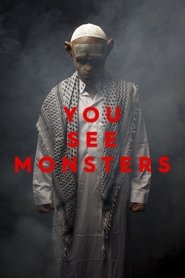
You See Monsters
2017
An exploration of the work of a new generation of young Muslim artists, who use their work to explore issues of faith and identity and what it means to be Muslim and Australian in the 21st century.Wretches & Jabberers
2011
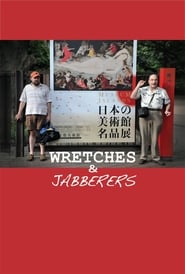
Wretches & Jabberers
2011
star 7.2In 'Wretches & Jabberers and Stories from the Road', two men with autism embark on a global quest to change prevailing attitudes about disability and intelligence. With limited speech, Tracy Thresher, 42, and Larry Bissonnette, 52, both faced lives of mute isolation in mental institutions or adult disability centers. When they learned as adults to communicate by typing, their lives changed dramatically. Their world tour message is that the same possibility exists for others like themselves. At each stop, they dissect public attitudes about autism and issue a hopeful challenge to reconsider competency and the future. Along the way, they reunite with old friends from the USA, expand the isolated world of a talented young painter and make new allies in their cause.The Lie Detector
2023
The Lie Detector
2023
star 8In the first decades of the 20th century, when life was being transformed by scientific innovations, researchers made a thrilling new claim: they could tell whether someone was lying by using a machine. Popularly known as the “lie detector,” the device transformed police work, seized headlines and was extolled in movies, TV and comics as an infallible crime-fighting tool. Husbands and wives tested each other’s fidelity. Corporations routinely tested employees’ honesty and government workers were tested for loyalty and “morals.” But the promise of the polygraph turned dark, and the lie detector too often became an apparatus of fear and intimidation. Written and directed by Rob Rapley and executive produced by Cameo George, The Lie Detector is a tale of good intentions, twisted morals and unintended consequences.Bye Bye Germany
2017
Bye Bye Germany
2017
star 6.6David Berman and his friends, all Holocaust survivors, have only one purpose: to go to America as soon as possible. For this they need money. Close to his aim, David is not only deprived of his savings but also overtaken by his shady past.How Wonderful
1990
How Wonderful
1990
How Wonderful is a hilarious and really honest look at pregnancy, featuring a cast of well known Australian actors and actresses.