Popular History Movies on Pantaflix - Page 378
All Services
Free Services
 Netflix
 Amazon Prime Video
 Apple iTunes
 Apple TV Plus
 Disney Plus
 Google Play Movies
 Paramount Plus
 Hulu
Hulu
 HBO Max
 YouTube
 fuboTV
 Peacock
 Peacock Premium
 Amazon Video
 The Roku Channel
 AMC+
AMC on Demand
AMC+
AMC on Demand
 Kocowa
 Hoopla
 The CW
 Vudu
Vudu
 Starz
Starz
 Showtime
 PBS
PBS
 Pantaflix
 FXNow
FXNow
 Tubi TV
 Kanopy
 Comedy Central
 Crunchyroll
 Microsoft Store
 Redbox
 Sun Nxt
 ABC
ABC
 DIRECTV
 Crackle
 Fandor
 Plex
Plex
Netflix
Amazon Prime Video
Apple iTunes
Apple TV Plus
Disney Plus
Google Play Movies
Paramount Plus
Hulu
HBO Max
YouTube
fuboTV
Peacock
Peacock Premium
Amazon Video
The Roku Channel
AMC+
AMC on Demand
Kocowa
Hoopla
The CW
Vudu
Starz
Showtime
PBS
Pantaflix
FXNow
Tubi TV
Kanopy
Comedy Central
Crunchyroll
Microsoft Store
Redbox
Sun Nxt
ABC
DIRECTV
Crackle
Fandor
Plex

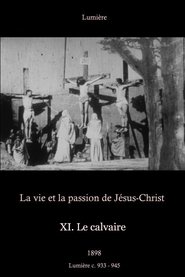
XI. Le calvaire
1898
The Great War
2007
The Great War
2007
A historical recreation of the experience of Canadian soldiers in World War One, with a cast of descendants of the people who participated in it.Beloved of Earth
2015
Beloved of Earth
2015
The film shows the life story of the martyred poet (Fayek Abdul-Jalil), whose words were sung by many of the most prominent Gulf artists, including (Abdul-Rab Idris), (Talal Maddah), (Abu Bakr Salem), and (Ebadi Al-Jawhar), who became after his arrest by the Iraqi forces, the most famous Kuwaiti prisoner during the Iraqi invasion of Kuwait in the early nineties, after writing many patriotic songs.Credo...
1983
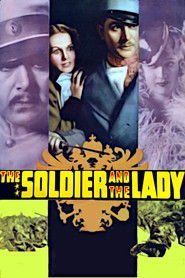
The Soldier and the Lady
1937
star 6.5In the face of rebellion in Russia, Czar Alexander II sends soldier Michael Strogoff 2,000 miles away, with a critical message for Grand Duke Vladimir. On the train journey, Michael befriends a traveler and comes into contact with a mysterious spy, who both unexpectedly aid him in his quest. Once behind enemy lines, Michael is near his hometown and his mother, whom he must avoid in order to fulfill his mission.The Dumbfounded King
1991
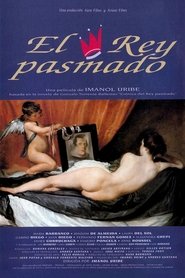
The Dumbfounded King
1991
star 5.8Spain, under Philip IV (1621-1665). The film is based on a novel by Gonzalo Torrente Ballester. The King is stunned to see the naked body of Marfisa, the most beautiful prostitute of the town and Court. After that, he also wants to see the Queen naked. However, the King, despite the opposition and the scandal of the Church, will not stop until he reaches his wishes.Hollywood: The Golden Years
1961
Host Gene Kelly takes a nostalgic look at silent films from their earliest beginnings to the introduction of sound with "The Jazz Singer."Death of Marat
1897
Death of Marat
1897
star 4.4This early film made by Georges Hatot for the Lumière Company is a brief single shot-scene of the assassination of the French revolutionary writer, Jean-Paul Marat--who has the notorious distinction of having influenced the Reign of Terror.Mondo Plympton
1997
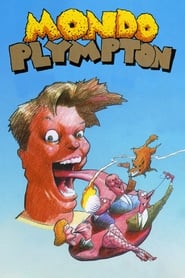
Mondo Plympton
1997
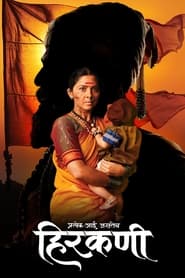
star 6.5A compilation of animator Bill Plympton's classic shorts, including "Your Face", "How to Kiss", "One of Those Days", "25 Ways to Quit Smoking", "Plymptoons", "Nosehair" and "How to Make Love to a Woman". In between, an animated version of Bill answers questions about his life and career.Hirkani
2019
Hirkani
2019
star 6.5When the Raigad fort gates get shut down before she could leave, a simple village woman climbs down the cliff in the middle of the night to get back her infant son.The Bigmoon Nights
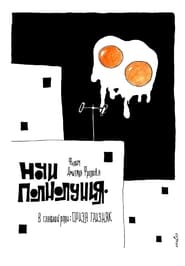
1991
The Bigmoon Nights
1991
star 4.7The film "Nights full moon" shows the tendency of moral decay in society. The main character is torn apart by internal contradictions, leading him to the path of Evil. Bans on self-identification - philosophical, existential, sexual, and then permissiveness spawn a monster that is not aware of its true nature and genuine desires. Throughout the film-trilogy, the protagonist goes through a series of temptations that ruin his soul and lead, after all, to a madhouse. In a general sense, the film allegorically shows the tragic path of the Russian lumpen intellectual, lost between the past and the present, not finding the strength to accept and comprehend the unexpected changes that happened in our country twenty years ago. In the global sense - the tragic circle of Russian history.Tank Man
2019
Tank Man
2019
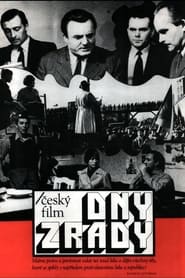
The story of the unknown man who 30 years ago stood up to brutality of his government in a way that continues to inspire and defined resistance to tyranny for a generation.Days of Betrayal
1973
Days of Betrayal
1973
star 5.2This feature film based on the events of 1938 is a chronicle of the futile efforts of the Czechoslovak president Edvard Benes (Jirí Pleskot), politicians and ordinary citizens, to save the independence and the territorial integrity of the state from the advance of Hitler's Germany. On the 29th of March 1938 the leader of the Sudeten Germans Henlein (Werner Ehrlicher) has a meeting with Hitler (Gunnar Möller). Hitler orders him to intensify pressure on the Czechoslovak government. On the 24th of April in Carlsbad, the Sudetendeutsche Partei (Sudeten German Party) decides upon eight demands that are unacceptable to the Czechoslovak President, since they would ultimately lead to the break-up of the Republic. Benes still shows a certain willingness to negotiate, and Henlein resents this. The Germans are determined to make further negotiations impossible through incidents and violence.The Historian and the Chameleons
1988
1930's. The monarch's insane ambition to prove his descent from an ancient noble family brings a foreign historian to Albania. The foreigner finds himself working with the authorities of an obscure prefecture of the kingdom amongst reprobates and ignoramuses, who make themselves appear ridiculous and detestable by getting caught up in comical situations.Boom Bust Boom
2015
Boom Bust Boom
2015
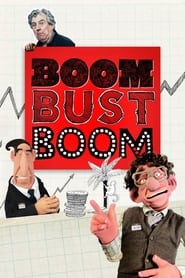
star 7.2Terry Jones presents Boom Bust Boom. The result of a meeting between writer, director, historian and Python Terry Jones and economics professor and entrepreneur Theo Kocken. Co-written by Jones and Kocken and featuring John Cusack, Nobel Prize winners Daniel Kahneman, Robert J Shiller and Paul Krugman, the film is part of a global movement to change the economic system through education to protect the world from boom and bust. A unique look at why economic crashes happen, Boom Bust Boom is a multimedia documentary combining live action with animation and puppetry to explain economics to everyone.Brave New Land
2000
Brave New Land
2000
star 5.2Diogo is a cartographer and artist who is encharged to set the new frontiers of Portuguese Colonies in South America. When he reaches the center of the continent, finds apparently nothing but wilderness and ‘uncivilized’ natives with strange ways of living. But Captain Pedro, the rude scout who guides him through the jungle, involves Diogo in an involuntary act of violence which will tie him in an unusual way to that far away country. At the same time, the Portuguese colonists are trying to make peace with Guaicuru Indians (one of the few natives with horse-riding abilities). But peace doesn’t ever have a low price.REBIRTH
2024
REBIRTH
2024
After tragedy strikes a bustling London neighbourhood, disarray ensues, and our hero becomes lost to their pain. A cherub-like spectre soon appears, embodying the change the community desperately craves. All bear witness as winds of hope and unity take shape and the seeds are sown for their growth out of griefThe First Major Case
2015
The First Major Case
2015
"The First Major Case" is a historical drama based on the first major anti-corruption case in the People's Republic of China. Set in 1951, the story follows counter-espionage officer Chen Huaibang, who uncovers the shocking corruption of Liu Qingshan, a former revolutionary hero turned corrupt official. Despite their past, Chen stays true to justice, bringing Liu and his accomplice Zhang Zishan to trial. The film highlights Chen's battle of wits with Liu, Zhang, and the enemy spy known as "Qingmang."This Land is Mine
2012
This Land is Mine
2012
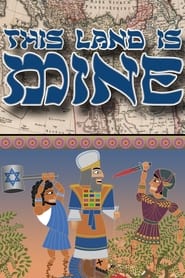
star 5An animated short set to the tune of Pat Boone's Exodus Song satirizing the history of the land called Israel/Palestine/Canaan/the Levant.Magdalena Dobromila Rettigová
1961
star 3.3The story of a Czech national revivalist, writer and author of a famous cookbook... The story takes us to Litomyšl in 1836. The local bourgeois society, which does not fail to interject a German word into their conversation as proof of good upbringing and better origin, slanders Mrs. Rettigová. "Rettička" not only fights for standard Czech, is a patriot, but also attracts young girls and students to her and lends them Czech books. She simply disrupts the good old order. Another sensation in the town is caused by the announcement of a planned wedding. Maiden Lenka will marry old doctor Plavec. When Mrs. Rettigová finds out about it, she invites both fiancés to her, each separately. The hunter Valenta, Lenka's former admirer, who had been abroad with his master for a long time, asked her to help him get Lenka back...