Popular History Movies on Pantaflix - Page 493
All Services
Free Services
 Netflix
 Amazon Prime Video
 Apple iTunes
 Apple TV Plus
 Disney Plus
 Google Play Movies
 Paramount Plus
 Hulu
Hulu
 HBO Max
 YouTube
 fuboTV
 Peacock
 Peacock Premium
 Amazon Video
 The Roku Channel
 AMC+
AMC on Demand
AMC+
AMC on Demand
 Kocowa
 Hoopla
 The CW
 Vudu
Vudu
 Starz
Starz
 Showtime
 PBS
PBS
 Pantaflix
 FXNow
FXNow
 Tubi TV
 Kanopy
 Comedy Central
 Crunchyroll
 Microsoft Store
 Redbox
 Sun Nxt
 ABC
ABC
 DIRECTV
 Crackle
 Fandor
 Plex
Plex
Netflix
Amazon Prime Video
Apple iTunes
Apple TV Plus
Disney Plus
Google Play Movies
Paramount Plus
Hulu
HBO Max
YouTube
fuboTV
Peacock
Peacock Premium
Amazon Video
The Roku Channel
AMC+
AMC on Demand
Kocowa
Hoopla
The CW
Vudu
Starz
Showtime
PBS
Pantaflix
FXNow
Tubi TV
Kanopy
Comedy Central
Crunchyroll
Microsoft Store
Redbox
Sun Nxt
ABC
DIRECTV
Crackle
Fandor
Plex

Colmcille: An Naomh Dána
2021
He was at the centre of a bloody battle, founded a monastery that became a beacon of civilization. He's even said to have taken on the Loch Ness Monster. But who was Colmcille, the Irish abbot, known in Scotland as St. Columba ?Ian Hislop's Fake News: A True History
2019
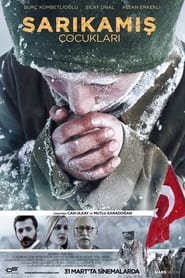
Ian Hislop's sharp, provocative take on 200 years of fake news and its consequences - from Victorians on the moon to 21st-century deepfake, and Hislop as never seen before.Sarıkamış Çocukları
2017
The Scorpion King
2009
The Scorpion King
2009
The Scorpion King: The King before Pharaohs. Learn more about the king who likely united ancient Egypt, organized the world’s earliest phonetic writing system, and inspired the creation of the pyramids. Mace heads, a stone mounted on a wooden shaft, were an early weapon of war. They were used like a club to strike enemies on the head. The scorpion mace head was too large to have been used as a weapon, and was clearly reserved for ceremonial purposes. Archaeologists believe they have found the tomb of the Scorpion King at the ancient burial site of Abydos. He was buried with 700 wine jars, several of which had come from as far away as ancient Palestine. The Scorpion King may have presided over the birth of phonetic writing earlier than any other civilization in the world—200 years before the first pharaohs.Museum "Revolution"
2014
Museum "Revolution"
2014
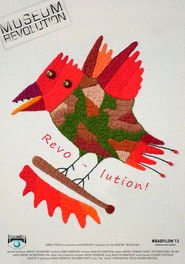
A revolution changes the social and political 'landscapes' of a country, but first and foremost it changes the physical landscape. For centuries none of the city centers of the world capitals looked nothing like the Maidan in the last few months, which resembles a medieval town and a futuristic fantasy at the same time.The Day of the Siege: September Eleven 1683
2012
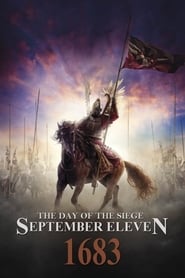
star 4.3In the summer of 1683, 300 000 Ottoman Empire's warriors begin the siege of Vienna. City's fall, will open way to conquer the Europe. The Sept 11 is the day of main battle between Polish cavalry under the King Jan III Sobieski and Turks.Nicholas and Alexandra
1971
star 6.9Tsar Nicholas II, the inept last monarch of Russia, insensitive to the needs of his people, is overthrown and exiled to Siberia with his family.Tiger Trappers
1994
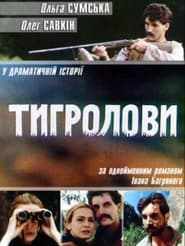
Tiger Trappers
1994
star 9The story about the fate of Andrii Chumak, who escapes from the train, which had to arrive him to Siberian concentration camps. He gets to the Ukrainian village where he is harboring. There he also meets his love.The Married Couple of the Year Two
1971
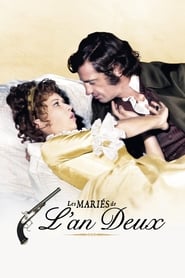
star 6.6Nicolas Philibert goes to America after killing a French aristocrat. On his return he tries to divorce his wife, Charlotte, but when he sees others trying to woo her his own interest is rekindled.The Desert of Forbidden Art
2011
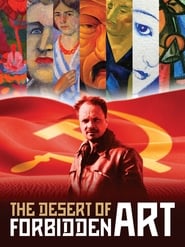
star 4.7How does art survive in a time of oppression? During the Soviet rule artists who stay true to their vision are executed, sent to mental hospitals or Gulags. Their plight inspires young Igor Savitsky. He pretends to buy state-approved art but instead daringly rescues 40,000 forbidden fellow artist's works and creates a museum in the desert of Uzbekistan, far from the watchful eyes of the KGB. Though a penniless artist himself, he cajoles the cash to pay for the art from the same authorities who are banning it. Savitsky amasses an eclectic mix of Russian Avant-Garde art. But his greatest discovery is an unknown school of artists who settle in Uzbekistan after the Russian revolution of 1917, encountering a unique Islamic culture, as exotic to them as Tahiti was for Gauguin. They develop a startlingly original style, fusing European modernism with centuries-old Eastern traditions.Bowie at the BBC
2017
Bowie at the BBC
2017
star 6A look back at the long and brilliant career of legendary British singer and actor David Bowie (1947-2016) through his appearances on the BBC in interviews, talk shows, documentaries and performances in music programs.DORA - Escape into Music
2022
The pianist Kyra Steckeweh and the filmmaker Tim van Beveren search for traces where Countess Dora Pejačević (1885-1923) lived and worked. Their documentary is a journey through time to a half brilliant, half broken Europe.The Maples
1980
Liberation Diaries
2025
Liberation Diaries
2025
star 8The end of World War II brings Europe a new political system, reshapes national and personal identities. Three women from Milan, Paris and Berlin report on the days of liberation in their diaries. Their personal stories expand the historical picture and make LIBERATION DIARIES a chronicle of female self-empowerment, resistance and resilience.Atlal (Remnants)
0000
Atlal (Remnants)
0000
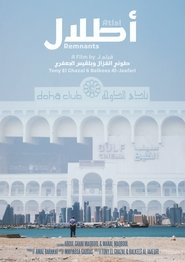
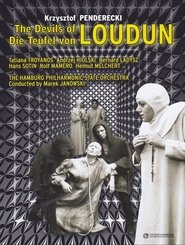
star 10'Atlal (Remnants)' is a fictional documentary that follows Bassam, a Palestinian man in his fifties, on a journey between the past and present. An abandoned school, the remains of a beach club, and a dusty cinema hold Bassam's cherished memories from his life in Qatar. Through personal archives and interviews with Bassam and his wife, Laila, we get a deeper look into their stories—slowly revealing the dismaying thoughts behind Bassam's nostalgia.The Devils of Loudun
1969
The Devils of Loudun
1969
star 8This opera revolves around the demonic collective possession suffered by the Ursuline nuns in the convent of Loudun in 1634. The story concentrates on the handsome but doomed Urbain Grandier who fights against fanaticism and evil.Cossacks in Exile
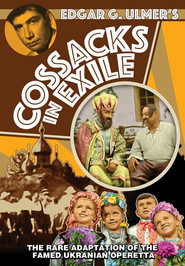
1939
Cossacks in Exile
1939
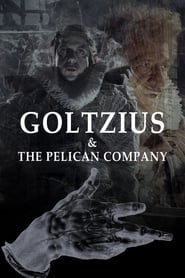
star 7In Ukraine, in 1775, the Zaporogian Cossacks learn that Moscow is sending soldiers to destroy their fort. The Ukrainian villagers appeal to Czarina Catherine, but she insists that they join the Russian army or risk annihilation. Instead, the Cossacks burn their fort and flee on the Danube River to Turkey, where they live in peace, but still yearn for their homeland.Goltzius & the Pelican Company
2014
star 6Goltzius and the Pelican Company tells the story of Hendrik Goltzius, a late 16th century Dutch printer and engraver of erotic prints. A contemporary of Rembrandt and, indeed, more celebrated during his life, Goltzius seduces the Margrave of Alsace into paying for a printing press to make and publish illustrated books. In return, he promises him an extraordinary book of pictures of illustrating the Old Testament’s biblical stories. Erotic tales of Lot and his daughters, David and Bathsheba, Samson and Deliah and John the Baptist and Salome. To tempt the Margrave further, Goltzius and his printing company will offer to perform dramatisations of these erotic stories for his court.