Popular War Movies on Pantaflix - Page 372
All Services
Free Services
 Netflix
 Amazon Prime Video
 Apple iTunes
 Apple TV Plus
 Disney Plus
 Google Play Movies
 Paramount Plus
 Hulu
Hulu
 HBO Max
 YouTube
 fuboTV
 Peacock
 Peacock Premium
 Amazon Video
 The Roku Channel
 AMC+
AMC on Demand
AMC+
AMC on Demand
 Kocowa
 Hoopla
 The CW
 Vudu
Vudu
 Starz
Starz
 Showtime
 PBS
PBS
 Pantaflix
 FXNow
FXNow
 Tubi TV
 Kanopy
 Comedy Central
 Crunchyroll
 Microsoft Store
 Redbox
 Sun Nxt
 ABC
ABC
 DIRECTV
 Crackle
 Fandor
 Plex
Plex
Netflix
Amazon Prime Video
Apple iTunes
Apple TV Plus
Disney Plus
Google Play Movies
Paramount Plus
Hulu
HBO Max
YouTube
fuboTV
Peacock
Peacock Premium
Amazon Video
The Roku Channel
AMC+
AMC on Demand
Kocowa
Hoopla
The CW
Vudu
Starz
Showtime
PBS
Pantaflix
FXNow
Tubi TV
Kanopy
Comedy Central
Crunchyroll
Microsoft Store
Redbox
Sun Nxt
ABC
DIRECTV
Crackle
Fandor
Plex

Taking Tiger Mountain by Strategy
1970
star 5Taking Tiger Mountain was the very first model film produced during the Chinese Cultural Revolution (1966-1976). Set during the civil war in 1946, it follows a detachment of the People's Liberation Army in Mandchuria as they are fighting a group of bandits hiding in the mountains. Based on a novel from the 50s, Taking Tiger Mountain was first a revolutionary opera before being made into film by director Xie Tieli.Guernica
1951
Guernica
1951
star 5.9Alain Resnais & Robert Hessen use the famous Picasso mural "Guernica" in combination with newspaper headlines in an anti-war cry against the Spanish Civil War. Narration by Jacques Pruvost highlights the Guernica atrocity of April 1937, followed by a poem by Paul Eluard read by María Casares to a discordant score by Guy Bernard.So Little Time
1952
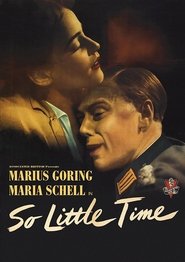
So Little Time
1952
star 7.4During World War II, German soldiers occupy the home of a beautiful Belgian girl and her mother.Absent Without Leave
1993
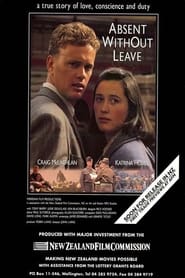
Absent Without Leave
1993
star 7In 1942 Wellington, Daisy Edwards, 16 and pregnant, relies totally on her just-wed husband, Ed, who is little older than she. Ed is suddenly drafted into the army and is to be sent overseas to battle while Daisy is sent to her father in Auckland. When Ed's leave is cancelled at the last minute he takes the dangerous decision to go absent without leave to be with Daisy on her journey home. As a deserter, Ed is hunted, captured and imprisoned. Life inside is bad enought without the worry of what is going on outside. The film is based upon a true story.Why We Fight: Prelude to War
1942
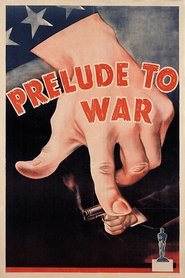
star 6.4Prelude to War was the first film of Frank Capra's Why We Fight propaganda film series, commissioned by the Pentagon and George C. Marshall. It was made to convince American troops of the necessity of combating the Axis Powers during World War II. This film examines the differences between democratic and fascist states.De Nacht
2018
De Nacht
2018
During the Second World War 6 prisoners are being held in a prison cell in Concentration Camp Amersfoort, Holland. Their fate is unknown. This night has an impact for many years and in many lives.Moment
1978
Moment
1978
star 5.5A young man from the banks of the Ibar River goes to the revolutionary war. It turns out to be one of the key moments that will later leave marks on his life. The war conflict runs along with his intimate, internal conflicts of his own. He feels the need to think as a human being despite the horrors surrounding him. Such is the deeply embedded need of this man - the need for love, understanding and justice.Hell River
1974
Hell River
1974
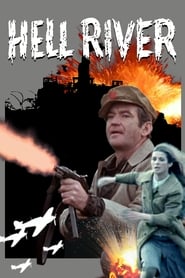
star 6.1Yugoslav partisans battle Nazi invaders in a series of bloody confrontations which eventually culminate in the Battle at Hell River.Bless 'em all
1949
Bless 'em all
1949
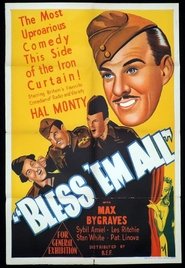
star 4.6AWOL for more than half a century, but now back on parade, this cheery army comedy is a showcase for variety star Hal Monty and a young Max Bygraves. Missing in action for many years, this raucous comedy of army life, which looks back on the latter days of WWII, is a slam-bang showcase for the boisterous variety antics of comedian Hal Monty, seen here in his heyday performing rough and ready slapstick sketches aplenty. He’s accompanied by regular foil Les Ritchie, as his uptight sergeant, and comical crooner Max Bygraves, in his screen debut.The Bombers
1973
The Bombers
1973
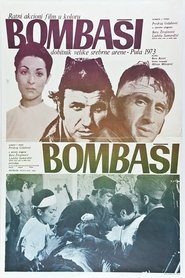
star 5.6Two best friends, former Partisans, must face new challenges after the war.The Red Detachment of Women
1971
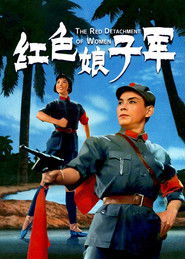
star 5.3A filmed 1970 performance of the China Central Ballet Troupe. Adapted from the film of the same title, The Red Detachment of Women was first staged in Beijing in 1964 and was one of the Eight Model Operas which dominated the national stage during the Cultural Revolution.Heartbreak
1931
Heartbreak
1931
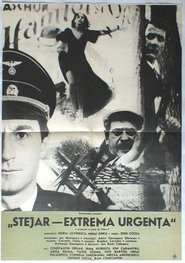
John Merrick and Vilma Walden, who fall in love at an embassy fundraiser in Vienna before World War I. Vilma's brother, Carl, who is a war veteran, poses as a rival for Vilma's affections. When war erupts, John requests a transfer to the Italian front, where he confronts Carl, who had borrowed his aircraft for a mission. John is devastated to learn the pilot he downed was actually Carl, leading him to announce he will no longer kill.Stejar, extremă urgență
1973
star 7.2The secret plan "Margareta II", drawn up by the German General Staff for the intervention of German troops in case of Romania's exit from the war, is discovered by the army and the patriotic forces through a captain who was a schoolmate of the German officer in charge of completing the plan. In the end, the two officers will fight each other, each leading his own tank unit.German Industrial Manpower
1943
A training film for OSS agents on how to analyze statistics obtained about German industrialization and war production.No Man's Land
2024
No Man's Land
2024
star 5.6"Battlefield 1 meets Aliens" An outfit of Imperial soldiers fighting brutal trench warfare in a desolate WW1 Battlefield find themselves up against an enemy not from this world.Tokyo Rose
1946
Tokyo Rose
1946
star 5Lotus Long plays the title role, an American-educated Japanese woman broadcasting enemy propaganda to American troops. Captured GI Pete Sherman is one of a group of POWS slated to be interviewed on Tokyo Rose's radio program. Instead of advising his comrades to surrender (as ordered), Sherman uses his innate Yankee knowhow to hoist the treacherous deejay on her own petard. Managing to make his escape, Sherman hooks up with the Japanese Underground, convincing anti-militarist Charlie Otani to aid in a kidnapping plot aimed at Tokyo Rose.Between Heaven and Hell
1956
star 6Sam Gifford remembers : In prewar years he was an arrogant southern cotton plantation owner, married to the daughter of a colonel. At the beginning of the war he was mobilized with his National Guard unit as a sergeant. Came the day when, revolted by the cowardice of his lieutenant, who had fired at his own men, he hit him. Downgraded, he was sent to a disciplinary battalion. Sam now discovers his new detachment, his new commanding officer, just another cowardly brute, Captain Waco Grimes. While in combat, Sam will gradually become closer to the privates, working-class people he used to despise. He will become another man, a better man.