Popular War Movies on Pantaflix - Page 459
All Services
Free Services
 Netflix
 Amazon Prime Video
 Apple iTunes
 Apple TV Plus
 Disney Plus
 Google Play Movies
 Paramount Plus
 Hulu
Hulu
 HBO Max
 YouTube
 fuboTV
 Peacock
 Peacock Premium
 Amazon Video
 The Roku Channel
 AMC+
AMC on Demand
AMC+
AMC on Demand
 Kocowa
 Hoopla
 The CW
 Vudu
Vudu
 Starz
Starz
 Showtime
 PBS
PBS
 Pantaflix
 FXNow
FXNow
 Tubi TV
 Kanopy
 Comedy Central
 Crunchyroll
 Microsoft Store
 Redbox
 Sun Nxt
 ABC
ABC
 DIRECTV
 Crackle
 Fandor
 Plex
Plex
Netflix
Amazon Prime Video
Apple iTunes
Apple TV Plus
Disney Plus
Google Play Movies
Paramount Plus
Hulu
HBO Max
YouTube
fuboTV
Peacock
Peacock Premium
Amazon Video
The Roku Channel
AMC+
AMC on Demand
Kocowa
Hoopla
The CW
Vudu
Starz
Showtime
PBS
Pantaflix
FXNow
Tubi TV
Kanopy
Comedy Central
Crunchyroll
Microsoft Store
Redbox
Sun Nxt
ABC
DIRECTV
Crackle
Fandor
Plex

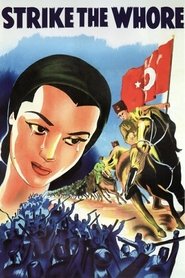
Strike the Whore
1949
Strike the Whore
1949
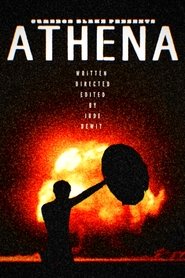
star 6.4During the years of the National Struggle, Aliye, an idealistic teacher who goes to an occupied town in Anatolia, wages a battle for enlightenment against both the occupying forces and the ignorance of the local people, fueled by bigotry and self-interest.Cameron Blake's Athena
2025
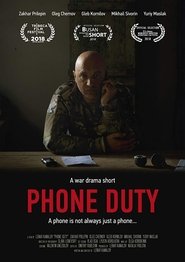
star 9War has brought upon the end of the world, yet the band still plays on. We who create also destroy.Phone Duty
2018
Phone Duty
2018
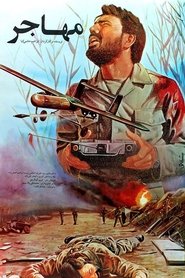
star 2A Donbass rebel fighter with a nom de guerre Cat is ordered to sit on phone duty, but it's not as easy as it may seem.The Immigrant
1990
The Immigrant
1990
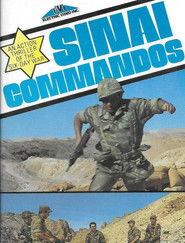
star 4.8A man who controls small airplanes to detect Iraq's front line, is put in danger not being able to return.Sinai Commandos
1967
In Stock
1988
In Stock
1988
Film-monologue of a young guy, demobilized military service, establishing life "in civilian life". A person recalls how well he served in the army, talks about the present day, about his family, about his son, about working in a factory, about drinking, fishing, friends and acquaintances.World War Speed: The Drugs That Won WWII
2019
It’s long been known that German soldiers used a methamphetamine called Pervitin during WWII. But have tales of Nazis on speed obscured the massive use of stimulants by British and American troops? Did total war unleash the world’s first pharmacological arms race? And in the face of industrial slaughter, what role did drugs play in combat? Historian James Holland is on a quest to dig deeper and unearth the truth behind 'World War Speed'.Çanakkale Geçilmez
2005
Çanakkale Geçilmez
2005
star 5.5“Çanakkale is Impassable” is the first and longest cartoon made about the Çanakkale War and has the distinction of being the first war cartoon in Turkey. It is also the first cartoon in which the most figures, ship models and special effects were used and Mustafa Kemal Atatürk and other important figures were drawn using animation techniques.Cards on the Table: The Last Warning
1986
Luan continues to serve as the governor of Kien Hoa province and receives classified information sent by Y5, an agent installed by Kien Hoa Security in the Communist Party of Vietnam. He tries to identify Y5. The coup in 1960 ends with victory for the Republic's government, but unrest soon proves this result impermanent.Heroes Don't Come Home
2016
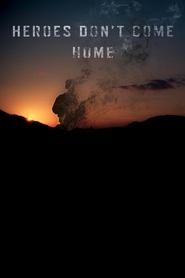
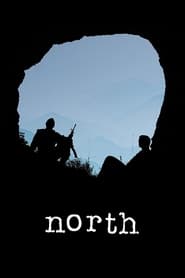
star 7.5Deep in the woods of Maine, a broken promise made after the September 11th attacks forces two friends to confront the teenagers they were and the men they've become.North
2015
North
2015
star 7Bakur (North) is a documentary that invites its audience to reflect on a war that has been continuing for decades and gives an insightful look on its main subject, the PKK. The film follows the lives of the guerilla in three different camps on the Kurdish region (north) that lies within Turkish borders.Pearl Harbor: The world on fire
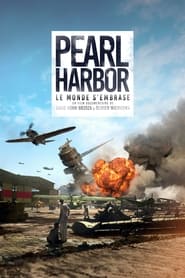
2021
star 7.7Hawaii, Pacific Ocean. In this heavenly place, one of the most memorable battles of the Second World War took place 80 years ago. On December 7, 1941, at 7:53 am, a Japanese air squadron struck the American fleet which anchored in the waters of Pearl Harbor. The United States were struck at the heart of their defensive system and entered the conflict the very next day. How Pearl Harbor changed the face of World War II and therefore the face of the world? What are the diplomatic undersides of Pearl Harbor? Was the attack really a surprise attack? Is it really a Japanese victory?Lieutenant Suvorov
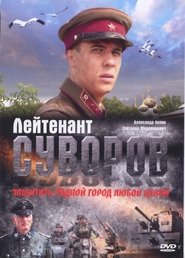
2009
Lieutenant Suvorov
2009
The lieutenant Suvorov and his small group of soldiers come to an abandoned village where only few people are left, and among them there is a schoolteacher with children. Suvorov is quite sure that the front line soon will be here. The lieutenant and his soldiers stay in the village and start their first fight with Nazis, giving time the others to leave…Shield of Jurgai
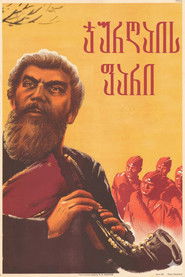
1944
Shield of Jurgai
1944
star 7In the Caucasus foothills, battles rage against the German fascist invaders who have broken through. Reinforcements, including Russians, Ukrainians, and Kazakhs, are moving to defend the region. Along the way, the soldiers stop at a half-ruined ancient castle. There, a grey-haired old man recounts the legend of Dzhurga, a valiant warrior who once lived there. The legend comes to life on the screen, depicting a wedding feast in the castle where Dzhurgai celebrates his union with a shepherdess. However, the festivities are interrupted by a foreign enemy attacking Georgia. Led by Dzhurgai, Georgian warriors fight bravely and emerge victorious against the Mongol hordes.The Second World War in Color
1999
The War in Color draws on unique color material from German, British, Russian and American archives. For the first time, 35mm color footage of the war in France in 1940, unknown images from the Norway campaign and impressive scenes from the advance in the Soviet Union in 1941/42 are shown here. The whole madness of the Second World War comes frighteningly close with these color recordings, in a way that is hardly possible from the stories of those involved at the time.The Battleship on the Ground
2007
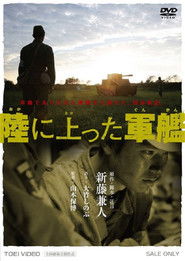
star 5.3Writer/Director Kaneto Shindô recounts his time spent in the Japanese Navy in WWII. He tells about the harsh training, grueling conditions, and tragic losses which are reenacted in black & white sequences.We Lived for Estonia
1997
We Lived for Estonia
1997
During June 1941, Nazi forces occupied Estonia. By 1944, when the Soviet-Nazi frontline was drawing towards the Estonian border from the East, Alfred Käärmann was conscripted into the German military. By September 1944 the Red Army had again occupied Estonia. Alfred was forced to make a decision: whether to stay in Estonia or retreat with the Germans. He chose the former, However he risked arrest and deportation by the Soviets.The DMZ
1965
The DMZ
1965
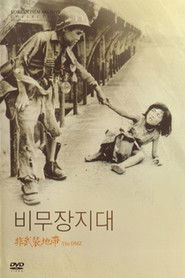
star 6.4The film exposes the atrocities of war through the eyes of two children who are stranded in the DMZ after the end of the Korean War. The DMZ, strewn with abandoned tanks, dead bodies, land mines, and unexploded shells, is an exceedingly dangerous place for children. But what most endangers them in the end are not weapons but people.UPIKUM: THE MOVIE
0000
UPIKUM: THE MOVIE
0000