Popular History Movies on Tub Tv - Page 131
All Services
Free Services
 Netflix
 Amazon Prime Video
 Apple iTunes
 Apple TV Plus
 Disney Plus
 Google Play Movies
 Paramount Plus
 Hulu
Hulu
 HBO Max
 YouTube
 fuboTV
 Peacock
 Peacock Premium
 Amazon Video
 The Roku Channel
 AMC+
AMC on Demand
AMC+
AMC on Demand
 Kocowa
 Hoopla
 The CW
 Vudu
Vudu
 Starz
Starz
 Showtime
 PBS
PBS
 Pantaflix
 FXNow
FXNow
 Tubi TV
 Kanopy
 Comedy Central
 Crunchyroll
 Microsoft Store
 Redbox
 Sun Nxt
 ABC
ABC
 DIRECTV
 Crackle
 Fandor
 Plex
Plex
Netflix
Amazon Prime Video
Apple iTunes
Apple TV Plus
Disney Plus
Google Play Movies
Paramount Plus
Hulu
HBO Max
YouTube
fuboTV
Peacock
Peacock Premium
Amazon Video
The Roku Channel
AMC+
AMC on Demand
Kocowa
Hoopla
The CW
Vudu
Starz
Showtime
PBS
Pantaflix
FXNow
Tubi TV
Kanopy
Comedy Central
Crunchyroll
Microsoft Store
Redbox
Sun Nxt
ABC
DIRECTV
Crackle
Fandor
Plex

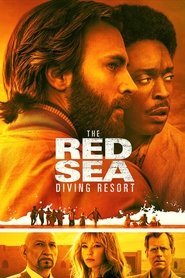
The Red Sea Diving Resort
2019
star 6.8Sudan, East Africa, 1980. A team of Israeli Mossad agents plans to rescue and transfer thousands of Ethiopian Jews to Israel. To do so, and to avoid raising suspicions from the inquisitive and ruthless authorities, they establish as a cover a fake diving resort by the Red Sea.Mission Mangal
2019
Mission Mangal
2019
star 6.8A team of Indian scientists at ISRO (Indian Space Research Organisation) take on the extraordinary task of successfully sending a satellite into the orbit of planet Mars in a country's maiden attempt.The Guild of the Kutná Hora Virgins
1938
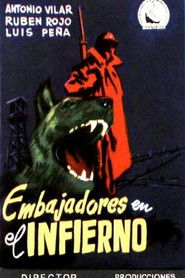
star 6.5A morally questionable lord comes to the aid of a working class man who is to be executed for speaking out about thieving rich scoundrels sticking it to the poor.Embajadores en el infierno
1956
star 6.8Four Spanish Blue Division soldiers captured after the German invasion of Soviet territory face a choice in forced labor camps: renounce their Spanish nationality for better conditions. While two accept, Captain Adrados leads a group resisting, labeling those who comply as traitors, showcasing a struggle for loyalty to Franco's values.The Divine Weapon
2008
The Divine Weapon
2008
star 6.5During the reign of King Sejong in the 15th century, the Joseon Dynasty was the embodiment of the perfect state. To the Ming China, the aspiring imperial power, Joseon presented an obstacle to territorial expansion. To protect themselves from war, King Sejong develops a secret weapon to defend their territory and take back their land and supremacy.Visions of Light
1992
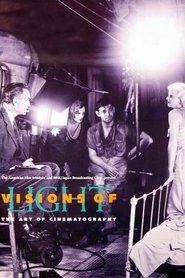
Visions of Light
1992
star 7Cameramen and women discuss the craft and art of cinematography and of the "DP" (the director of photography), illustrating their points with clips from 100 films, from Birth of a Nation to Do the Right Thing. Themes: the DP tells people where to look; changes in movies (the arrival of sound, color, and wide screens) required creative responses from DPs; and, these artisans constantly invent new equipment and try new things, with wonderful results. The narration takes us through the identifiable studio styles of the 30s, the emergence of noir, the New York look, and the impact of Europeans. Citizen Kane, The Conformist, and Gordon Willis get special attention.Irena Sendler
0000
Irena Sendler
0000
2008 Nobel Prize nominee, Irena Sendler, saved 2500 children from the Warsaw Ghetto during World War II. Based on a true story.Punk Samurai Slash Down
2018
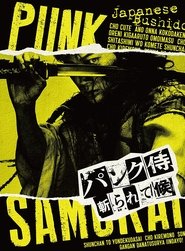
star 5.6Junoshin Kake is a ronin. To get hired by the Kurokaze Han, he lies and tells them that a religious group is trying to destroy them. He gets hired by the Kurokaze Han, but they learn that Junoshin Kake lied. Junoshin Kake is given the death sentence and he must think of an escape plan.Jánošík
1936
Jánošík
1936
star 5Jánošík has been topic of many Slovak and Polish legends, books and films. According to the legend, he robbed nobles and gave the loot to the poor. The legend were also known in neighboring Silesia, the Margraviate of Moravia and later spread to the Kingdom of Bohemia. The actual robber had little to do with the modern legend, whose content partly reflects the ubiquitous folk myths of a hero taking from the rich and giving to the poor. However, the legend was also shaped in important ways by the activists and writers in the 19th century when Jánošík became the key highwayman character in stories that spread in the north counties of the Kingdom of Hungary (present Slovakia) and among the local Gorals and Polish tourists in the Podhale region north of the Tatras.The Fatal Encounter
2014
The Fatal Encounter
2014
star 7.2Late 18th-century Joseon dynasty. The King is beleaguered and surrounded by traitors of the ruling elite. They plan to assassinate and replace him with a puppet. But the King has some aces up his sleeve that may help him defeat them all.Pod maskou
1985
Pod maskou
1985
Ebony: The Last Years Of The Atlantic Slave Trade
2016
star 7.6First-person accounts of slaves, ship owners, traders and colonists recounting the struggle to end the Atlantic slave trade. Drawing on the logbooks, letters and diaries of the victims and witnesses to one of history’s most brutal eras, depicted through dramatic recreations, bolstered by authentic drawings and period documents, featuring insight from historical experts around the world.Der Bockerer IV - Prager Frühling
2003
star 5.8In the year 1968, the “Bockerer” has decided, after many attempts, to marry his long-time widowed housekeeper, Anna. Gustl, whom he as taken in like a son after the war, will open a butchery in the Czech small town Kostelec and invites the Bockerers to spend their wedding journey with him and his Elena. The “Prague Spring”, of which everywhere is talked so much about, promises a nice honeymoon, and their friend Hatzinger is taken along on the journey as well. Soon after their arrival, the Bockerer has to realize that “Communism with a human face” is still an idle wish.Karaoğlan: This Post Will Make You Fly
2003
Bülent Ecevit had dreams of a modest, serene life away from competition and politics. He imagined that he would write poems throughout his life and take refuge in that serene, purified world of art, poetry and aesthetics, against the harsh and harsh reality of daily life. While escaping the hazy atmosphere of politics, he could not even guess where his decision on the day he stepped into politics would take him...Hundiseaduse aegu
1986
Hundiseaduse aegu
1986
star 6The love story of Liza Pesentak and the fearless patriot Melelave, who will go through a series of various trials before they find their happiness.Naval Port Child: Yokosuka Cleaning 1946
2023
Post-war Yokosuka, Kanagawa Prefecture. Adults who are swayed by the US military stationed in the country and swayed by US intentions cannot afford to care about children who should be protected. The war orphans, who had no choice but to survive on their own, were used to shining shoes for American soldiers, picking up cigarettes, and sometimes committing crimes. However, at some point, they came across a "cleaning" job. They work hard instead of committing crimes and earn money by being appreciated by people. The orphans begin to regain their smiles through experiences that make them feel like they should be alive. The children started to have a modest dream of "renting a house and living" with their own earnings, but they were attacked by an even harsher reality...I Want to See
2008
I Want to See
2008
star 5.7July 2006. Another war breaks out in Lebanon. The directors decide to follow a movie star, Catherine Deneuve and a friend, actor and artist Rabih Mroue;, on the roads of South Lebanon. Together, they will drive through the regions devastated by the conflict. It is the beginning of an unpredictable, unexpected adventure...Good Ol' Freda
2013
Good Ol' Freda
2013
star 7.1The story of Freda Kelly, a shy Liverpudlian teenager asked to work for a young local band hoping to make it big: The Beatles. Their loyal secretary from beginning to end, Freda tells her tales for the first time in 50 years.Brother Sun, Sister Moon
1972
star 7In his delirium from his return from war, Francesco Bernardone goes back in his memories to the days when he lived for parties and carnal pleasures. He slowly recovers, but after the illness he is no longer the Francesco that everybody knew. Instead of spending hours in taverns, he meditates on the beauty of God's creatures, soon renouncing his riches and his family with plans to rebuild an abandoned church and his life.