Popular History Movies on Tub Tv - Page 215
All Services
Free Services
 Netflix
 Amazon Prime Video
 Apple iTunes
 Apple TV Plus
 Disney Plus
 Google Play Movies
 Paramount Plus
 Hulu
Hulu
 HBO Max
 YouTube
 fuboTV
 Peacock
 Peacock Premium
 Amazon Video
 The Roku Channel
 AMC+
AMC on Demand
AMC+
AMC on Demand
 Kocowa
 Hoopla
 The CW
 Vudu
Vudu
 Starz
Starz
 Showtime
 PBS
PBS
 Pantaflix
 FXNow
FXNow
 Tubi TV
 Kanopy
 Comedy Central
 Crunchyroll
 Microsoft Store
 Redbox
 Sun Nxt
 ABC
ABC
 DIRECTV
 Crackle
 Fandor
 Plex
Plex
Netflix
Amazon Prime Video
Apple iTunes
Apple TV Plus
Disney Plus
Google Play Movies
Paramount Plus
Hulu
HBO Max
YouTube
fuboTV
Peacock
Peacock Premium
Amazon Video
The Roku Channel
AMC+
AMC on Demand
Kocowa
Hoopla
The CW
Vudu
Starz
Showtime
PBS
Pantaflix
FXNow
Tubi TV
Kanopy
Comedy Central
Crunchyroll
Microsoft Store
Redbox
Sun Nxt
ABC
DIRECTV
Crackle
Fandor
Plex

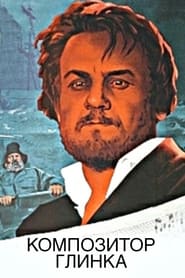
Man of Music
1952
Man of Music
1952
star 4.3The young composer Mikhail Glinka performs his new work at a soiree at earl Vielgorsky's house. However, the public is accustomed to Western music, and reacts coldly to the creation of the composer. This makes him very sad, but soon he decides to go learn the art of music in Italy. After returning from Italy, he is full of desire to write national Russian opera. Vasily Zhukovsky proposes a subject: a feat of Ivan Susanin. Tsar Nicholas I change the name of the opera to A Life for the Tsar and assigns a librettist - Baron Rosen. Acquaintance with the future co-author shocked Glinka: Rosen speaks Russian with a noticeable German accent. The premiere was successful, but Glinka was still not entirely happy with the libretto: "False words were written by Rosen". When Nicholas I learned that Ruslan and Lyudmila was written on Pushkin's subject, he sees it as sedition. The bitter experience of the composer brighten his supporters.Castle of Revenge
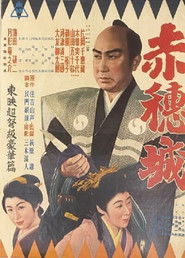
1952
Castle of Revenge
1952
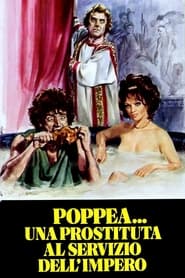
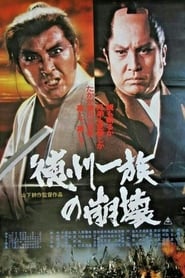
The film vividly shows the misadventures of Oishi Kuranosuke and the human dramas inside the castle, which lead to the surrender of Ako Castle after seppuku by its lord Asano Takumi-no-kami and the termination of his family's power. This is the first film of the Ako Castle trilogy.Poppea: A Prostitute in Service of the Emperor
1972
star 3.6Ottone and Savio work hard to keep each other out of trouble with the Roman Centurions while scraping together food and drink with various scams. Emperor Nero's wife, the beautiful Poppea, takes an interest in Ottone, who after a short stint as a gladiator gets a region to manage and an army of his own to command, all the while assisted by his best friend and partner in crime Savio.The Wind Is My Lover
1949
The Wind Is My Lover
1949
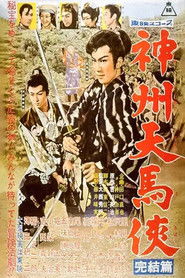
star 6Set in medieval times about the cursed Moonshield family. The young knight Erland Moonshield fall in love with a gypsy enchantress, Singoalla, he meet in the forest.神州天馬侠 完結篇
1958
神州天馬侠 完結篇
1958
In a desperate crisis, Inamaru is plunged into the dark sea by a strike from Tokugawa Ieyasu. Ryutaro desperately tries to rescue Inamaru. However, it's not just Ieyasu who aims for him and the precious treasure of the Unshaken Banner. Various individuals, good and evil alike, are aiming for the foothills of Mount Fuji where the hidden treasure lies.Rainis
1949
Rainis
1949
A biopic of Rainis (born as Jānis Pliekšāns), a Latvian poet, playwright, translator, and politician, whose works had a profound influence on the literary Latvian language, and the ethnic symbolism he employed in his major works has been central to Latvian nationalism.The Butterfly Chalice
1965
star 6The story revolves around Tian Yu Quan (Chin Feng) who rushes to the aid of an elderly fisherman who is bullied by an arrogant relative of the Qiu Shan ministry. In the heat of the ensuing battle he kills the said man and is hence chased by the district's officials. Trying to use the waterway to shake off his enemies, Yu Quan finds a true friend in the old fisherman's bark-stearing daughter, Hu Feng Lian (Ting Hung) who becomes his loyal accomplice. As symbol for his gratitude, Yu Quan bestows Feng Lian with a Butterfly Chalice to reflect their eternal friendship bond...The Abe Clan
1938
The Abe Clan
1938
“19 vassals of Lord Hosokawa ask permission to commit harakiri with him, as a demonstration of their loyalty. Only Yaichiemon Abe is refused permission, forced instead into the vassalage of his lord’s successor. Humiliated and derided, Yaichiemon eventually commits harakiri without permission. His eldest son is then punished for Yaichiemon’s suicide, and when he resists, is sentenced to death. The entire Abe clan rebels upon the son’s execution, and the clan is annihilated.” --Alan Poul, Japan SocietyThe Power of Good: Nicholas Winton
2003
star 9A gripping documentary about the courage and determination of a young English stockbroker who saved the lives of 669 children. Between March 13 and August 2, 1939, Nicholas Winton organized 8 transports to take children from Prague to new homes in Great Britain, and kept quiet about it until his wife discovered a scrapbook documenting his unique mission in 1988. Winton was a successful 29-year-old stockbroker in London who "had an intuition" about the fate of the Jews when he visited Prague in 1939. He quietly but decisively got down to the business of saving lives. We learn how only two countries, Sweden and Britain, answered his call to harbor the young refugees; how documents had to be forged and how once foster parents signed for the children on delivery, that was the last he saw of them.Louis van Beethoven
2020
Louis van Beethoven
2020
star 6.71779. Eight-year-old Ludwig van Beethoven, called "Louis", is already known as a musical prodigy. He learns to go his own way - much to the dismay of the people around him. Some years later, he meets Mozart during times of political upheaval. The unconventional genius and French Revolution are sparking a fire in Louis' heart; he doesn't want to serve a master - only the arts. Facing times of family tragedies and unrequited love, he almost gives up. However, Louis makes it to Vienna to study under Haydn in 1792, and the rest is history. Who was this man, whose music has since touched countless hearts and minds? At the end of his life, the master is isolated by loss of loved ones and hearing. Surely though, he was way ahead of his times.La Fuente
2025
La Fuente
2025
Luca Barella (56), owner of La Fuente, a sandwich shop amid Chile's protests, faces ruin and illness. After rescuing a photographer, his shop becomes a target. Guided by Iaido's harmony, Luca defends his legacy as chaos closes in.51 Depot
1961
第一书记
2010
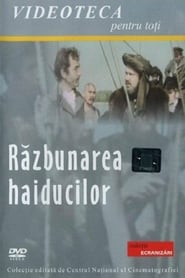
The Revenge of the Outlaws
1968
star 6.8Second of 2 films set during the 18th century in the mountains of Wallachia, about a band of outlaws aiming to undermine the rule of the Phanariots and the Ottomans. The story evolves around the two stepbrothers who lead this band, Sarbu and Amza, with their complex and violent relationship.Dorotheus
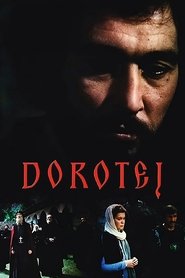
1981
Dorotheus
1981
star 5In medieval Serbia, a young monk, a master of herbal medicine, grabs the attention of warlord's wife.Black River
1992
Black River
1992
star 5.7Río Negro is the struggle of two men, Osuna and Funes, hungry for power and wealth in a small town in Venezuela, during the dictatorship of Juan Vicente GómezBonivur's Heart
1969
Bonivur's Heart
1969
star 5.8A young Komsomol member Vitaly Bonivur is fighting for Soviet power in the Far East and Primorye. Red underground workers are not the first day want to arrange an escape of their fellow prisoners. And the brave Bonivur takes part in the organization of the getaway, but for counterintelligence he remains elusive. Vitaly Bonivur's aspiration for justice, heroism and determination — courage and bravery of a young man who fights for a bright future.Trespassers
0000
Trespassers
0000
The true story of Lucy Schwob and Suzanne Malherbe – two surrealist artists, and stepsisters and lovers, who launched the campaign of resistance against the Nazi occupation of the island of Jersey – a self-governing dependency of the British crown – during the Second World War.