Popular History Movies on Tub Tv - Page 244
All Services
Free Services
 Netflix
 Amazon Prime Video
 Apple iTunes
 Apple TV Plus
 Disney Plus
 Google Play Movies
 Paramount Plus
 Hulu
Hulu
 HBO Max
 YouTube
 fuboTV
 Peacock
 Peacock Premium
 Amazon Video
 The Roku Channel
 AMC+
AMC on Demand
AMC+
AMC on Demand
 Kocowa
 Hoopla
 The CW
 Vudu
Vudu
 Starz
Starz
 Showtime
 PBS
PBS
 Pantaflix
 FXNow
FXNow
 Tubi TV
 Kanopy
 Comedy Central
 Crunchyroll
 Microsoft Store
 Redbox
 Sun Nxt
 ABC
ABC
 DIRECTV
 Crackle
 Fandor
 Plex
Plex
Netflix
Amazon Prime Video
Apple iTunes
Apple TV Plus
Disney Plus
Google Play Movies
Paramount Plus
Hulu
HBO Max
YouTube
fuboTV
Peacock
Peacock Premium
Amazon Video
The Roku Channel
AMC+
AMC on Demand
Kocowa
Hoopla
The CW
Vudu
Starz
Showtime
PBS
Pantaflix
FXNow
Tubi TV
Kanopy
Comedy Central
Crunchyroll
Microsoft Store
Redbox
Sun Nxt
ABC
DIRECTV
Crackle
Fandor
Plex

Burning Sky
2020
Burning Sky
2020
GAL
2006
GAL
2006
star 4.6Two journalists investigate the criminal activities of the GAL (Grupos Antiterroristas de Liberación), a secret terrorist organization founded in the eighties and financed by leading figures in the Spanish government and security forces to hunt down and exterminate both members and collaborators of the terrorist gang ETA.Бесстрашный атаман
1973
Baltic Glory
1958
Baltic Glory
1958
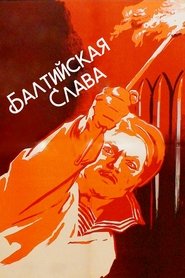
star 7.5A film about the struggle of Baltic Fleet sailors for revolutionary Petrograd in the autumn of 1917. The film focuses on the fates of a sailor and a naval officer who join the ranks of those fighting for the revolution.Joan of Arc
1900
Joan of Arc
1900
star 6.9A divinely inspired peasant woman becomes an army captain for France and then is martyred after she is captured.Memory of the Camps
1985
Memory of the Camps
1985
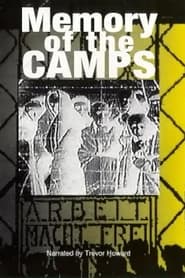
star 2In 1945, Allied troops invaded Germany and liberated Nazi death camps. They found unspeakable horrors which still haunt the world’s conscience. A film was made by British and American film crews who were with the troops liberating the camps. It was directed in part by Alfred Hitchcock and was broadcast for the first time in its entirety on PBS FRONTLINE in 1985.Charm of Evil
2006
Charm of Evil
2006
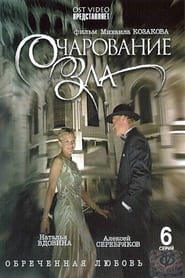
Paris, 1930s. There is ferment among the Russian emigration: part of it is accumulating strength to overthrow the Bolsheviks, others are illegally, but actively working for the Soviet government.Meaning of Life
1987
Meaning of Life
1987
Follows the construction of the Fergana Canal, which employed 170 thousand people, and Usman Yusupov was given a very specific task - in 45 days, a 270-kilometer-long canal should provide water to the cotton fields.Espionage
1955
Espionage
1955
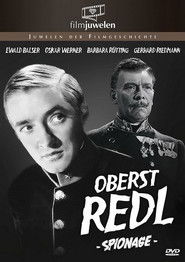
star 5.5Oberst Alfred Redl heads the military intelligence department of the Austro-Hungarian monarchy. Frequent letters from the Russian Empire, however, make him suspect of sharing his knowledge with unauthorized authorities.Madame Durocher
2024
Madame Durocher
2024
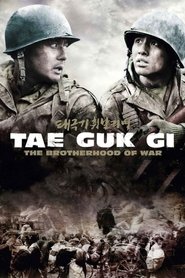
star 7The movie follows the life and career of Madame Durocher, first woman to be accepted in the Brazilian Medical Academy.Tae Guk Gi: The Brotherhood of War
2004
star 8When two brothers are forced to fight in the Korean War, the elder decides to take the riskiest missions if it will help shield the younger from battle.Pintea
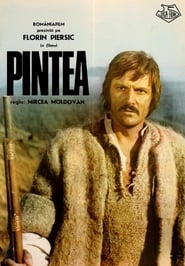
1976
Pintea
1976
star 8The movie is set in 18th century Maramureș region of Romania. The Romanian officer Grigore Pintea return to his village and finds out that his parents were killed, and other villagers were tortured because they protested against the unfair treatment of Bartolok Graff. He deserts the Austrian army and he becomes an outlaw. He is joined by many peasants and so his band manages to occupy 2 fortresses.Radetzkymarsch
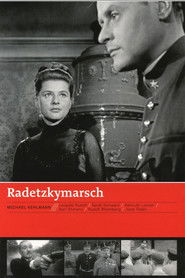
1965
Radetzkymarsch
1965
star 8.3The story of the Trotta family during the rise and fall of the Austrian-Hungary empire. Based upon the novel by Joseph Roth.To My Wife
2012
To My Wife
2012
A young actress got into a car accident and crossed over to an era 100 years from now and met her lover then. The title was based from a famous letter written by Lin Juemin, an early Qing Dynasty revolutionary, to his wife before his death.Tokyo Trial: Judging Japan
2016
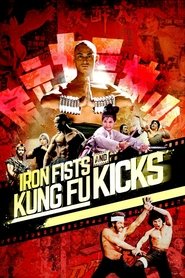
star 8.7The story of the International Military Tribunal for the Far East, known as the Tokyo Trial, which, just after the Second World War, was established in Japan as a special jurisdiction in 1946 (it was closed in 1948) to judge the war crimes of the Japanese leaders; and how and why officials in Washington prevented Emperor Hirohito to be seen sat on the bench.Iron Fists and Kung Fu Kicks
2019
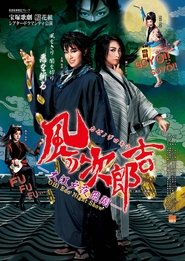
star 6.7The fantastic story of how an ancient martial art, Chinese kung fu, conquered the world through the hundreds of films that were produced in Hong Kong over the decades, transformed Western action cinema and inspired the birth of cultural movements such as blaxploitation, hip hop music, parkour and Wakaliwood cinema.Jirokichi of the Wind ―Night's Flight Over Edo―
2015
At the end of the Edo Period, there was a legendary chivalrous thief who stole from rich merchants and self-serving samurai and gave to the virtuous people of the town. His name was Nezumi-kozo (Rat Boy) Jirokichi. This musical is about how he competed with and was friends with the hero of so many period dramas (Touyama Kinshiro), and about the loves they surrounded themselves with in the new and progressive Japan. A Takarazuka take on the tale of Nezumi-kozo.Victoria & Abdul
2017
Victoria & Abdul
2017
star 6.9Queen Victoria strikes up an unlikely friendship with a young Indian clerk named Abdul Karim.Tarkan: The Golden Medallion
1973
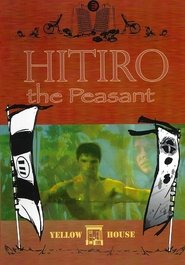
star 5.3Vandal king Attila's trying to save his son kidnapped by Tarkan and stories of friends.Hitiro the Peasant
2006
Hitiro the Peasant
2006
Hitiro the noble samurai serves the Emperor of Richmond, Virginia. After he refuses to enforce the Emperor's draconian tax policies, Hitiro is attacked by a jealous rival, who frames Hitiro for the murder of his wife. Hitiro escapes multiple ninja assassins, and seeks to begin a new life at a peaceful, rural village under the alias of "Hitiro the peasant." But can Hitiro outrun his past? Can he deny his burgeoning feelings for Ikama, daughter of the village headman? And can he save his new home from the wrath of the Emperor's soldiers?