Popular History Movies on Tub Tv - Page 363
All Services
Free Services
 Netflix
 Amazon Prime Video
 Apple iTunes
 Apple TV Plus
 Disney Plus
 Google Play Movies
 Paramount Plus
 Hulu
Hulu
 HBO Max
 YouTube
 fuboTV
 Peacock
 Peacock Premium
 Amazon Video
 The Roku Channel
 AMC+
AMC on Demand
AMC+
AMC on Demand
 Kocowa
 Hoopla
 The CW
 Vudu
Vudu
 Starz
Starz
 Showtime
 PBS
PBS
 Pantaflix
 FXNow
FXNow
 Tubi TV
 Kanopy
 Comedy Central
 Crunchyroll
 Microsoft Store
 Redbox
 Sun Nxt
 ABC
ABC
 DIRECTV
 Crackle
 Fandor
 Plex
Plex
Netflix
Amazon Prime Video
Apple iTunes
Apple TV Plus
Disney Plus
Google Play Movies
Paramount Plus
Hulu
HBO Max
YouTube
fuboTV
Peacock
Peacock Premium
Amazon Video
The Roku Channel
AMC+
AMC on Demand
Kocowa
Hoopla
The CW
Vudu
Starz
Showtime
PBS
Pantaflix
FXNow
Tubi TV
Kanopy
Comedy Central
Crunchyroll
Microsoft Store
Redbox
Sun Nxt
ABC
DIRECTV
Crackle
Fandor
Plex

The Manhattan Front
2017
The Manhattan Front
2017
In 1915, a German saboteur comes to Manhattan. Co-opting progressive labor politics, he provokes a neutral America into World War I.In the Crosswind
2014
In the Crosswind
2014
star 7.1June 14, 1941, 3 a.m. Over 40000 people from Estonia, Latvia and Lithuania are deported by Soviets to Siberia. Among them is a philosophy student Erna, a happily married mother of a little girl. Separated from her husband, Erna and her daughter are dispatched together with other women and children to remote Siberian territories. Despite hunger, fear and brutal humiliation Erna never in next fifteen years loses her sense of freedom and hope of returning to homeland.Jan Výrava
1938
Jan Výrava
1938
Madame Sans-Gène
1972
Madame Sans-Gène
1972
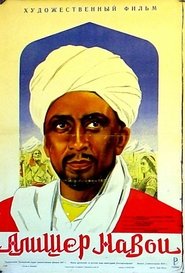
Alisher Navoiy
1948
Alisher Navoiy
1948
Biographical drama about one of the most famous Uzbek poets of the 15th century, Alisher Navoiy.APOTHEOSIS 85
2025
APOTHEOSIS 85
2025
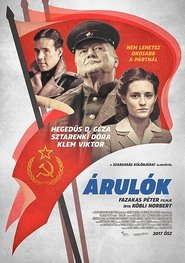
In 1985, a spy risks everything to stop a conspiracy that threatens to prolong the dictatorship in Brazil. While facing the military, she becomes involved in a forbidden romance with the heiress of a megacorp.Árulók
2017
Die Bilder des Zeugen Schattmann
1972
star 5Based on the novel by Peter Edel: the fate of a young Jewish couple during the Nazi era, who, full of dreams and hopes, search for ways to escape the inhumane situation in Hitler's Germany. In their hopeless situation, they meet a man who leads them down a contradictory and dangerous path, but at the end of which lies a new beginning.Part 1: "Friday Evening," Part 2: "The Decision," Part 3: "The Return," Part 4: "The Summons."Quentin Durward
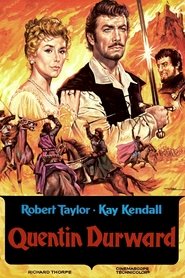
1955
Quentin Durward
1955
star 5.6During the 15th century reign of France's King Louis XI, a young Scottish man is sent by his English Lord to woo a French lady on his behalf. The plan goes awry when the young man falls in love with her. Based on the classic novel by Sir Walter Scott.The Weight of Chains
2010
The Weight of Chains
2010
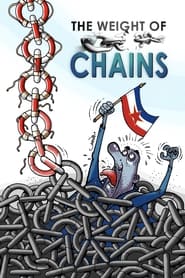
star 7.3The Weight of Chains is a Canadian documentary film that takes a critical look at the role that the US, NATO and the EU played in the tragic breakup of a once peaceful and prosperous European state - Yugoslavia. The film, bursting with rare stock footage never before seen by Western audiences, is a creative first-hand look at why the West intervened in the Yugoslav conflict, with an impressive roster of interviews with academics, diplomats, media personalities and ordinary citizens of the former Yugoslav republics. This film also presents positive stories from the Yugoslav wars - people helping each other regardless of their ethnic background, stories of bravery and self-sacrifice.The Revolutionist: Eugene V. Debs
2019
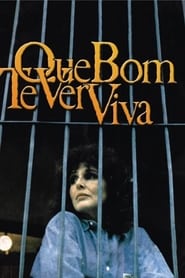
star 10A documentary about American socialist politicization and labor leader Eugene V. Debs made by Indianapolis public TV station WFYI and narrated by Danny Glover.How Good to See You Alive
1989
star 7.2Four years after a military coup overthrew the Brazilian government in 1964, all civil rights were suspended and torture became a systematic practice. Using a mix of fiction and documentary this extraordinary film is a searing record of personal memory, political repression and the will to survive. Interviews with eight women who were political prisoners during the military dictatorship are framed by the fantasies and imaginings of an anonymous character, portrayed by actress Irene Ravache.Jan 69
2004
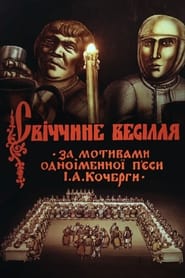
Svichka's Wedding
1982
Svichka's Wedding
1982
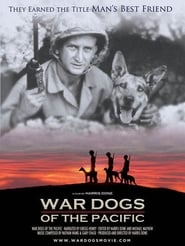
The story is based on a play by Ivan Kocherha about love against the backdrop of the craftsmen's uprising in Kyiv in the 16th century. The drama and the animation take place simultaneously in Podil, the center of bourgeois and craftsman life, and on mount Vzdykhalnytsia, where the Lithuanian castle is located. The director Tadeush Pavlenko takes the last three acts of Kocherha's play as a basis, placing the female character Melanka, the beloved of Ivan Svichka, at the center of the plot.War Dogs of the Pacific
2009
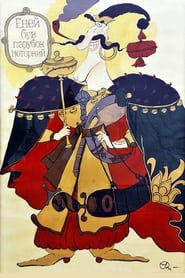
star 4.8It’s 1942, somewhere in the Pacific: Deadly ambushes by entrenched Japanese in the thick jungles take a heavy toll on American troops. Marine commanders were willing to try anything, including using dogs to sniff out the hidden enemy. But even with their superior senses, nobody anticipated just how effective they would be.Eneida
1991
Eneida
1991
star 7.7A mock-heroic 1798 poem Eneida is magnum opus of the first modern Ukrainian writer Ivan Kotliarevsky. It's a parody of Virgil's Aeneid, where Kotliarevsky transformed the Trojan heroes into Ukrainian Cossacks.The Longest Month
2022
The Longest Month
2022
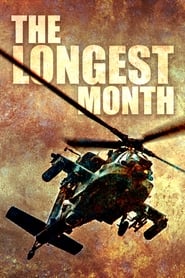
star 9Four hard-hitting stores, from the deadliest period in U.S. Army Aviation, since Vietnam. Actual footage from the events, and interviews from the Soldiers, who were there - bring these intense and touching stories of courage and sacrifice to life.An Intimate History of Occupation
2011
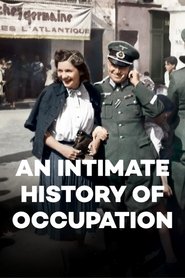
star 6.5June 14, 1940. The German Army marches into Paris. France is an occupied country. Through exclusive amateur footage, personal stories, and popular songs from the time, this fi lm recounts life with the enemy during the occupation, as seen by the French... and the Germans! Despite the Nazis and the troubled war times, day-to-day life in occupied France went on. People learnt to live with the rationing, the cues, the curfew... Many try to forget the hard times, mainly thanks to the movies in which big stars provide a little dream and lead a privileged life. These stars don't actually collaborate, butadapt and give the impression of normal life during the war. After all, is it necessarily shameful to shake the hand of an enemy?Heritage Minutes: Marconi
1993
Inventor Guglielmo Marconi receives the first trans-Atlantic radio signals in Newfoundland and is awarded the Nobel Prize in Physics.