Popular History Movies on Tub Tv - Page 415
All Services
Free Services
 Netflix
 Amazon Prime Video
 Apple iTunes
 Apple TV Plus
 Disney Plus
 Google Play Movies
 Paramount Plus
 Hulu
Hulu
 HBO Max
 YouTube
 fuboTV
 Peacock
 Peacock Premium
 Amazon Video
 The Roku Channel
 AMC+
AMC on Demand
AMC+
AMC on Demand
 Kocowa
 Hoopla
 The CW
 Vudu
Vudu
 Starz
Starz
 Showtime
 PBS
PBS
 Pantaflix
 FXNow
FXNow
 Tubi TV
 Kanopy
 Comedy Central
 Crunchyroll
 Microsoft Store
 Redbox
 Sun Nxt
 ABC
ABC
 DIRECTV
 Crackle
 Fandor
 Plex
Plex
Netflix
Amazon Prime Video
Apple iTunes
Apple TV Plus
Disney Plus
Google Play Movies
Paramount Plus
Hulu
HBO Max
YouTube
fuboTV
Peacock
Peacock Premium
Amazon Video
The Roku Channel
AMC+
AMC on Demand
Kocowa
Hoopla
The CW
Vudu
Starz
Showtime
PBS
Pantaflix
FXNow
Tubi TV
Kanopy
Comedy Central
Crunchyroll
Microsoft Store
Redbox
Sun Nxt
ABC
DIRECTV
Crackle
Fandor
Plex

Black Jack
1979
Black Jack
1979
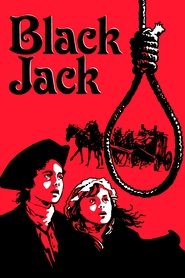
star 7When honest young Tolly is forced on the run with ‘Black Jack’, a villainous ruffian, adventure and mishap are never far away. As the two enter a world of body-snatchers, private lunatic asylums, and traveling fairs they find friendship in the most unlikely places.Secret History of Religion: Doomsday - Book of Revelation
2006
star 8.5The theology of the Book of RevelationAmerican Hot Wax
1978
American Hot Wax
1978
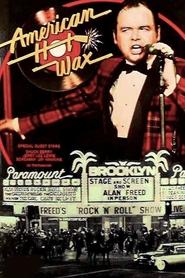
star 5.6This is the story loosely based on Cleveland disc jockey Alan Freed, who introduced rock'n'roll to teenage American radio audiences in the 1950s. Freed was a source of great controversy: criticized by conservatives for corrupting youth with the "devil's music"; hated by racists for promoting African American music for white consumption; persecuted by law enforcement officials and finally brought down by the "payola" scandals.Nehru
1984
Nehru
1984
star 4Divided into three parts — The Awakening, The Struggle, and Freedom — this is a biographical film on Pandit Jawaharlal Nehru, the first Prime Minister of independent India. Relying on Nehru's writings and speeches, the film traces the evolution of Nehru from his birth through his life. It also deals with the effect of history on Nehru and in turn his impact on the world.SS-3: The Assassination of Reinhard Heydrich
1992
star 4Reinhard Heydrich was considered the most dangerous man in Nazi Germany after Hitler himself. The plot to kill him masterminded in England and carried through to finality in Prague in 1942, is told in this gripping dramatised documentary special. Featuring meticulous reconstructions, coupled with authentic historical film, some of it never shown before the film powerfully presents a vivid account of the only successful assassination of a leading Nazi in World War II. It also chillingly recreates the terrible human cost of SS savagery against the Resistance and the total obliteration of the village of Lidice.Fez: City of Saints
2011
Fez: City of Saints
2011
This exclusive documentary follows the journey of some of the worlds leading Muslim thinkers in a gathering that took place at the heart of an ancient Islamic city It was Habib Umar's first trip to the Maghreb and the film captures his travels and responses as he journeys through a land brimming with spirituality, knowledge and vast history. From the serene courtyards of the University of Qarawiyyin to busling souk streets, from walled city of Fez to the mountainous sanctuary of Moulay Idris, the film shares the spiritual secrets of the places and their stories. The beauty of the great city of Fez, founded by descendants of the Noble Prophet (May Allah swt shower blessings upon him), is shared by a visitor who is himself a direct descendant of that great household. The result is a moving meeting of two traditions that form the very core of great Islamic narrative.Čas zrání
1984
Čas zrání
1984
A dramatic episode from the life of Czech philologist and historian Josef Dobrovský, a leading figure of the national revival.Hollywood's Second World War
2019
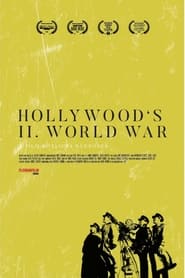
star 8For the USA, World War 2 was an all-out war - to mobilize the masses, the US government launched a huge propaganda campaign and cinema, the medium of the masses, was quite simply their most important weapon. Government authorities monitored the production of feature films and the military itself produced documentaries aimed at rallying the American people to support the troops. This film tells the story of four Hollywood directors of European origin, who returned to the "Old World" during the Second World War to make propaganda documentaries for the US Army at the front: William Wyler from Alsace, Frank Capra from Italy, Anatole Litvak from Ukraine and - in post-war Germany - Billy Wilder from Austria.Trafalgar Battle Surgeon
2005
This film takes a fresh look at the Battle of Trafalgar through the eyes of the HMS Victory's surgeon and his medical team that supported the brutal tactics leading to Nelson's victory over the French navy. However, there was one patient they did not save.100 Years - Armenian Genocide
2015
In 2015, we created this cell animation short to commemorate the Armenian Genocide Centenary. To the date, the Turkish government still denies the genocide took place, dodging their responsibility. 100 years will have passed this April 24th, and Armenians will keep on fighting for justice. This is a small tribute to the 1.500.000 victims.Benjaminas Kordušas
1986
Benjaminas Kordušas
1986
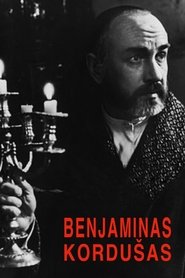
The film tells about the life of the Lithuanian landed nobility in the period between the two wars, about the desire to live their old life. But new times dictate new conditions, new values emerge, and loyalty to old ideals is doomed...The Bloody Lilly of the Valley
2015
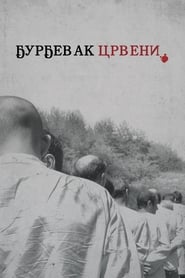
Unknown Serbian author creates one of the most popular Serbian folk songs "Djurdjevdan" (St. George Day) in the 'Train of Death' on it's way to Croatian concentration camp Jasenovac, during World War 2.The Falconet
1975
The Falconet
1975
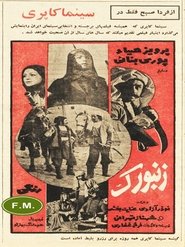
During an attack in a caravansary in which all the soldiers die, three people manage to flee. After that they accidentally encounter in different places and help each other out.Atlantis: The Discovery with Dan Snow
2024
It's captivated us for over 2000 years, but did it really exist? Dan Snow travels to Greece to discover if there is any truth in this tale of the legendary island in the Atlantic Ocean that supposedly disappeared beneath the waves. He investigates real ancient cities that were destroyed by earthquakes, volcanoes and tsunamis - could these have inspired the story of Atlantis?The Ship
1921
The Ship
1921
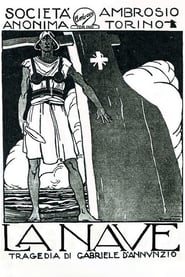
star 5.1The newly-settled city of Venice in the Sixth Century AD: A wandering people struggle to establish Christian Theocracy. Basiliola Faledro, an exotic dancer, wicked and cunning, arrives from faraway lands seeking to avenge her pagan lineage; Her father and brothers blinded and humilated by frenzied zealots. Her primary targets are the brothers Gràtico, both newly-elected to positions of power: One, Marco, an arbiter and tribune, the other, Sergio, a bishop. The title refers to a bold pronouncement made by Deaconess Ema Gràtico to her subjects the Venetians, a seafaring and desperate tribe-- That their native homeland is aboard a ship.Adolf & Eva
2002
Adolf & Eva
2002
Home footage plus reenactments of the life & times of Hitler with his mistress, Eva Braun. Their early days of happiness followed by long separations due the war causing much loneliness for Eva. Up until their suicides in the Bunker as the war was drawing to its inevitable conclusion.Rasputin
2011
Rasputin
2011
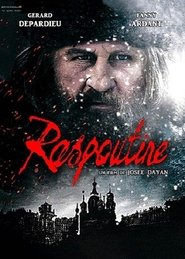
star 4.9A group of Russian noblemen want to maintain the monarchy and plan to kill Rasputin.An African Election
2011
An African Election
2011
star 7.4Filmmaker Jarreth Merz directs this eye-opening documentary about the 2008 presidential elections in Ghana, chronicling the start-to-finish drama of campaigning in a nation that's long served as a measure of the continent's political stability.The People and Their Emperor
2019
star 9Japan's Imperial system is said to have over 2,000 years of history. A closer look at the history reveals how the Imperial institution has shifted with the times, and with the people. At a time when there are only three heirs to the throne, a look is taken at what this could mean for the people of Japan and their Imperial system.